• Stratospheric warming developing over the Arctic forecast to weaken the polar vortex and influence February weather

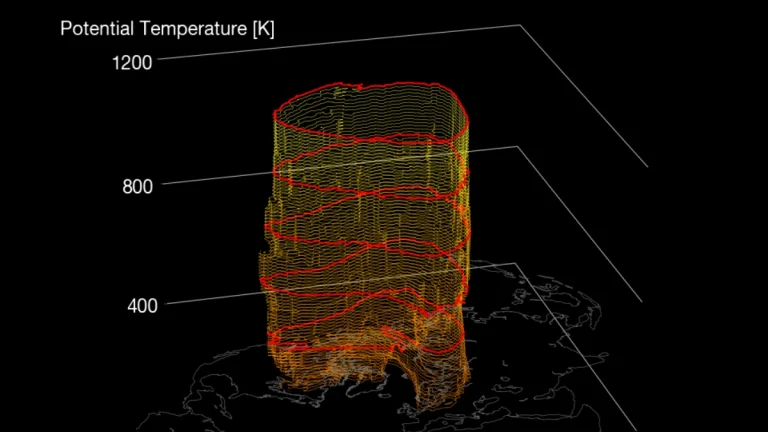
    Meteorological forecasts show a major sudden stratospheric warming event forming over the Arctic, likely to cause significant weakening of the polar vortex in early February 2026. The resulting atmospheric disruption may alter jet-stream dynamics and increase the risk of Arctic air intrusions into North America and northern Europe during the second half of February.
  • Major polar vortex disruption brings Arctic surges across North America and Europe through January and early February

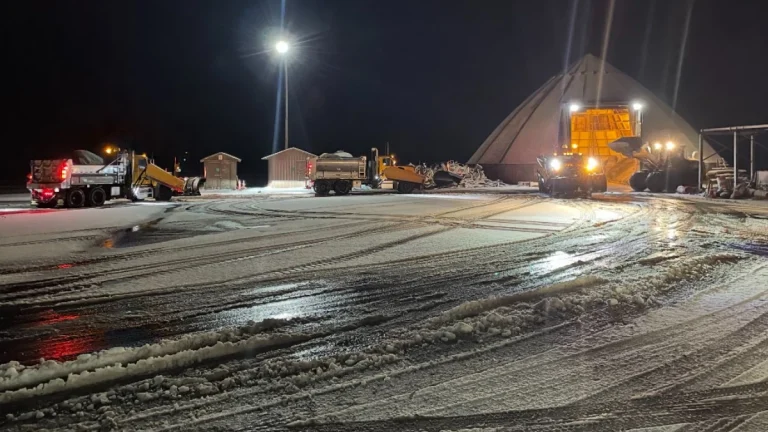
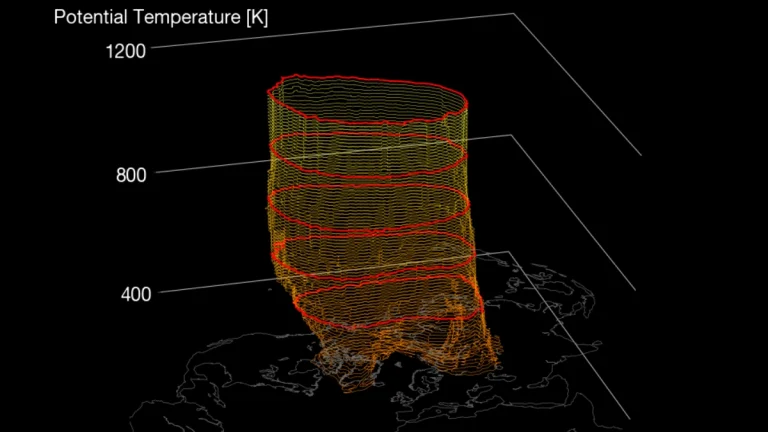
    A major polar vortex disruption has begun and is forecast to send Arctic air into much of North America and Europe through mid and late January 2026. The event will bring freezing temperatures and winter weather as the vortex weakens following a stratospheric warming episode. A second, stronger outbreak is forecast to occur during the last part of January as the core of the vortex splits into two halves, each driving cold Arctic air into Europe and North America in February.

  • Arctic cold wave freezes Lapland airports, disrupts travel across northern Europe

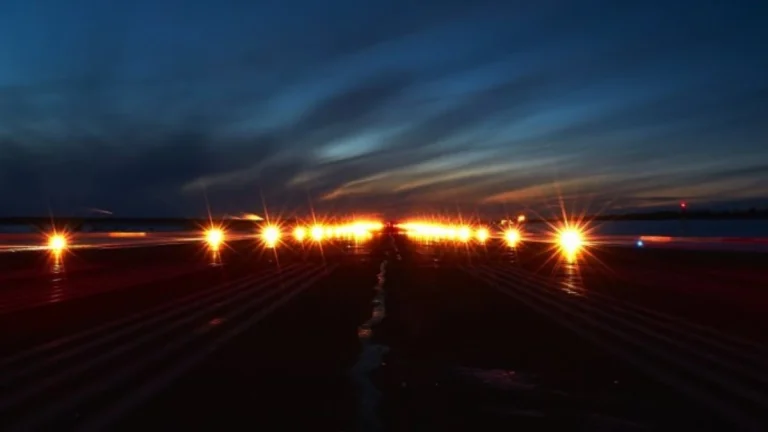
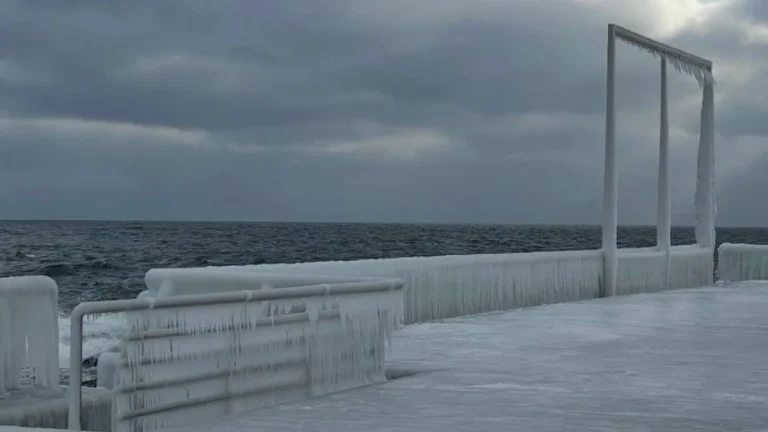
    Thousands of tourists were stranded in northern Finland on January 11, 2026, after flights at Kittilä Airport were canceled due to extreme cold that made de-icing and fueling operations impossible. Temperatures dropped to −37°C (−34.6°F), one of the lowest readings of the winter season, amid a wider Arctic cold outbreak affecting large parts of northern and central Europe.

  • At least two dead in England and Wales as storm Goretti leaves nearly 1.2 million without power

    Storm Goretti struck the United Kingdom on January 9, 2026, causing at least 2 fatalities in England and Wales. Winds reached 160 km/h (100 mph) as the storm brought heavy snow and significant coastal flooding, leaving nearly half a million customers without power — approximately 1.2 million people. The Met Office issued rare red wind warnings for southwest England as power cuts, flight cancellations, and travel disruption spread across the country.

  • Storm Goretti brings widespread winter disruption across the UK, heavy snow in Wales

    Storm Goretti underwent explosive cyclogenesis, bringing widespread snow, ice, and strong winds across the United Kingdom this week. The storm was named by Meteo France on January 6, 2026. It caused major transport disruption, school closures, and power interruptions across Wales, northern England, Scotland, and Northern Ireland. The UK Met Office has issued multiple yellow and amber warnings for snow and ice, remaining in effect through January 8, 2026.

  • Arctic cold blast expands across Europe as Greenland block steers polar air south

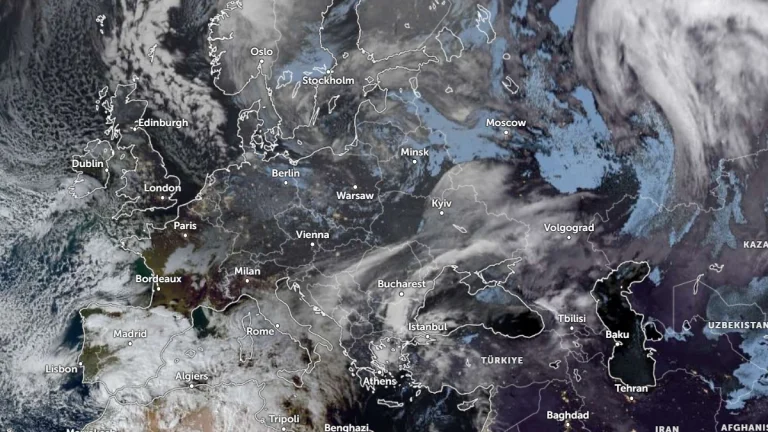
    An Arctic cold wave is moving across Europe as a persistent Greenland block redirects polar air southward. Forecast models show temperature anomalies between −10°C and −15°C (14°F and 5°F) at 850 hPa with extensive snow cover developing over much of the continent, with heavy snow already affecting parts of the UK and Balkans at the start of January 2026.

  • Polar Vortex disruption expected after January stratospheric warming

    A Sudden Stratospheric Warming (SSW) event evolving over the Arctic through mid-January 2026 is forecast to weaken and displace the Polar Vortex, according to ECMWF and NOAA extended-range guidance. The disturbance is expected to propagate downward over the following weeks, raising the probability of Arctic air outbreaks and colder-than-normal conditions in parts of North America and Europe during the second half of January 2026.