• Ice Age research provides crucial insight into climate ‘tipping points’ caused by AMOC

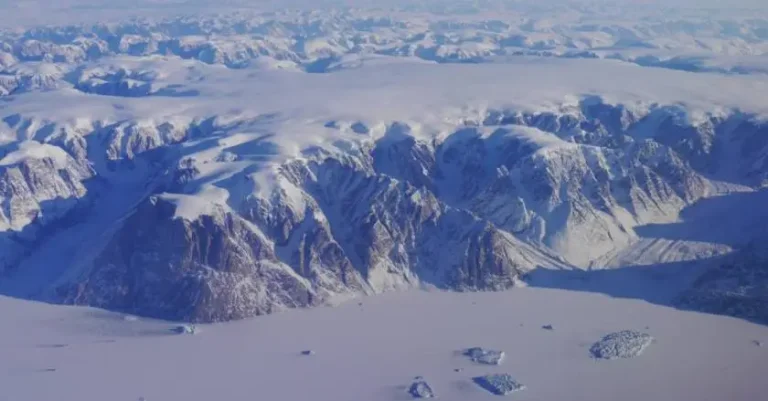
    Recent research on the Dansgaard-Oeschger event provides a better understanding of climate tipping points during the last Ice Age. The researchers used multiple ice cores collected across Greenland with data spanning up to 120 000 years, providing a new understanding of these abrupt events, how they unfold, and what that might mean for the future. It is really important to understand such tipping points in the climate, because they may result in catastrophic and irreversible change, the lead author of the study said.

  • Researchers uncover critical role of Atlantic-Arctic mixing in regulating AMOC

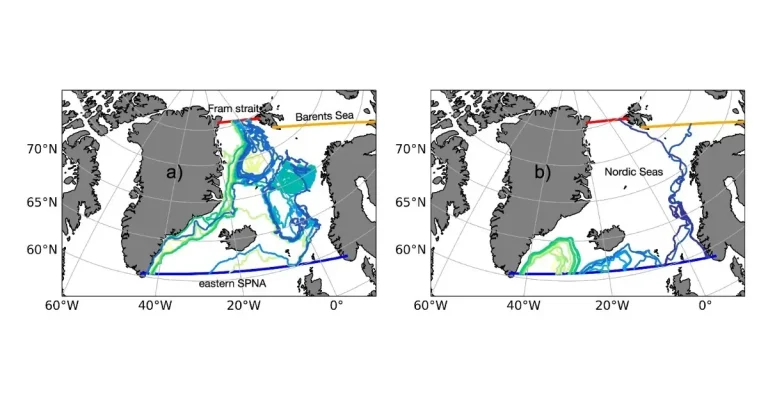
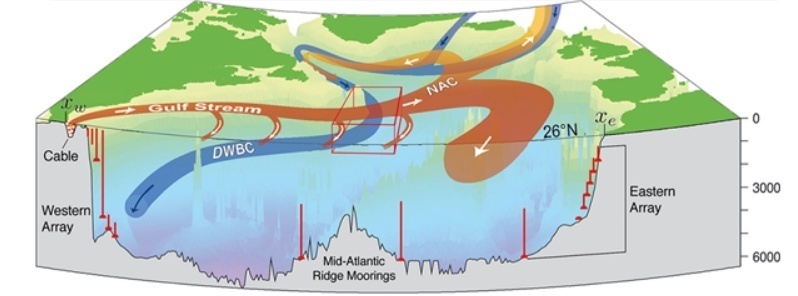
    A recent study led by Dipanjan Dey of the University of Southampton, in collaboration with international scientists, revealed the vital role that Atlantic and Arctic water mixing plays in maintaining the Atlantic Meridional Overturning Circulation (AMOC), an essential component of the global climate system.

  • NCEI scientists warn of weakening Atlantic Ocean currents, profound implications on global climate patterns

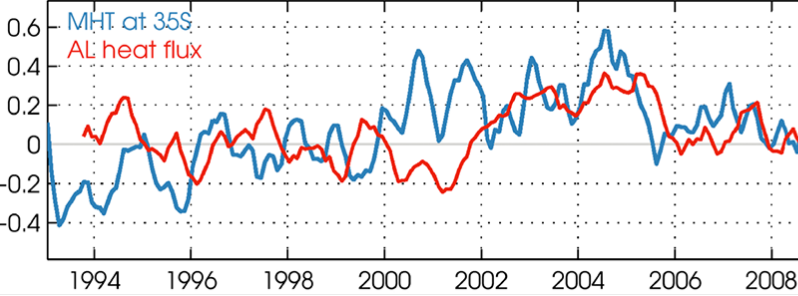
    Scientists from the National Centers for Environmental Information (NCEI) and the University of Maryland have provided evidence of a significant slowdown in the Atlantic Meridional Overturning Circulation (AMOC), a key climate regulator. Published in Frontiers in Marine Science, the research utilized over six decades of oceanic data to track the health of this vital oceanic component. This slowdown, observed primarily in the last two decades, could have profound implications on global climate patterns.

  • New study confirms AMOC is on tipping course

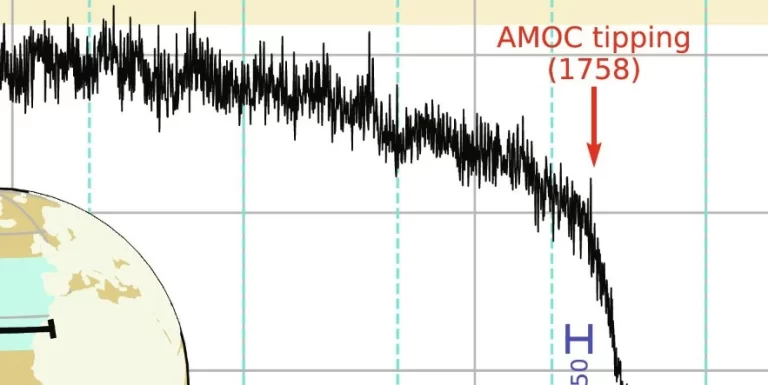
    A new study published in Science Advances by René M. Van Westen, Michael Kliphuis, and Henk A. Dijkstra on February 9, 2024, unveils a physics-based early warning signal indicating the Atlantic Meridional Overturning Circulation (AMOC) is on a tipping course towards collapse.

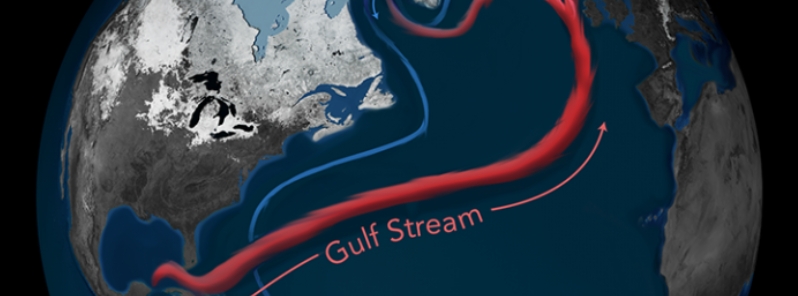
  • Data confirms robust weakening of the Gulf Stream

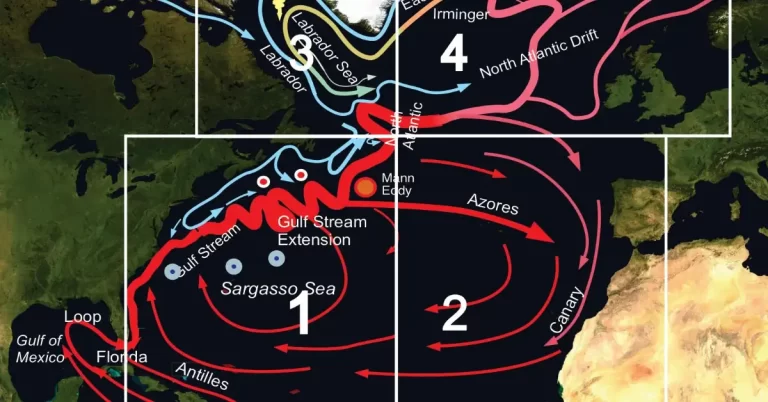
    A recently published study in the journal Geophysical Research Letters has revealed that the Gulf Stream transport of water through the Florida Straits has weakened by approximately 4% over the past 40 years. Researchers state with 99% certainty that this is more than what would be expected from random variations, marking the first definitive evidence of significant change in the current.

  • Florida Current at its weakest in the past 110 years

    New research by the Woods Hole Oceanographic Institution (WHOI) found that a key component of the Gulf Stream– a warm Atlantic ocean current stretching to the tip of Florida– has steadily slowed and is now weaker than at any other point in the past 110 years. The…