• Airborne surveys show more than 90% snowpack loss in Arizona’s Upper Black River Basin

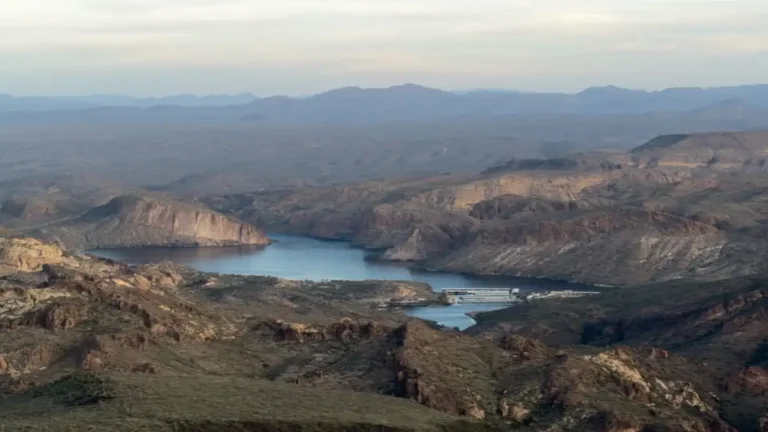
    Airborne snow surveys in the Upper Black River Basin of eastern Arizona showed snow water equivalent falling from about 11.7 million m3 (9.5 thousand acre-feet) on February 23 to about 987 000 m3 (0.8 thousand acre-feet) by March 12, 2026, a decline of more than 90% in less than three weeks. The basin feeds the Salt River system upstream of Roosevelt Dam, part of the reservoir network supplying water to more than 2.5 million people in the Phoenix metropolitan area.

  • Bright fireball seen over California, Arizona and Nevada

    A bright fireball was observed over California, Arizona, and Nevada at 03:18 UTC on March 23, 2026. NASA data shows the meteor traveled approximately 93 km (58 miles) through the atmosphere before disintegrating, with no damage or meteorite recovery reported.

  • Las Vegas sets new March record as historic heat spreads across the U.S. Southwest

    A historic March heat event affected the U.S. Southwest on March 19 and 20, 2026, setting a new March temperature record in Las Vegas, Nevada, and a new highest March temperature ever recorded in the United States near Martinez Lake, Arizona. Multiple daily and monthly records were also broken across parts of Nevada, California, and Arizona, while authorities in Phoenix closed some hiking trails because of heat risk.

  • Early-season heatwave intensifies across western United States, Extreme Heat Warnings issued

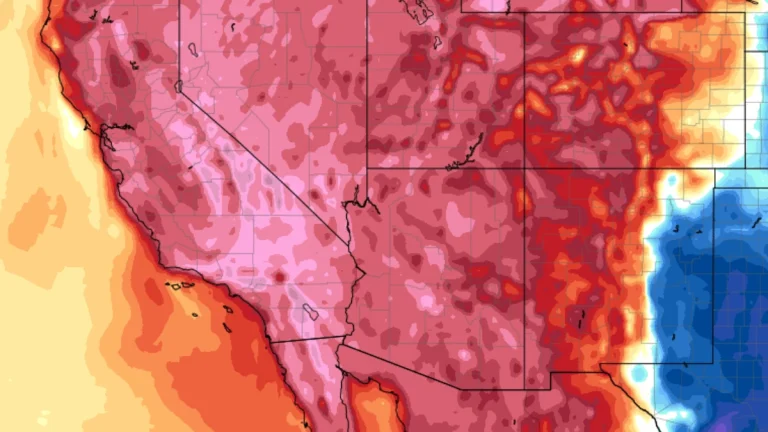
    An anomalously early-season heatwave intensified across the western United States on March 18, 2026, with Extreme Heat Warnings in effect for parts of the Desert Southwest and temperatures forecast to expand east into the Rockies and Great Plains by March 20. Highs are expected to reach 40–44°C (104–112°F) in the hottest desert regions, with numerous daily and some monthly March records likely to be broken.

  • Extreme Heat Watches issued for California and Arizona as anomalous heat intensifies across parts of the Southwest

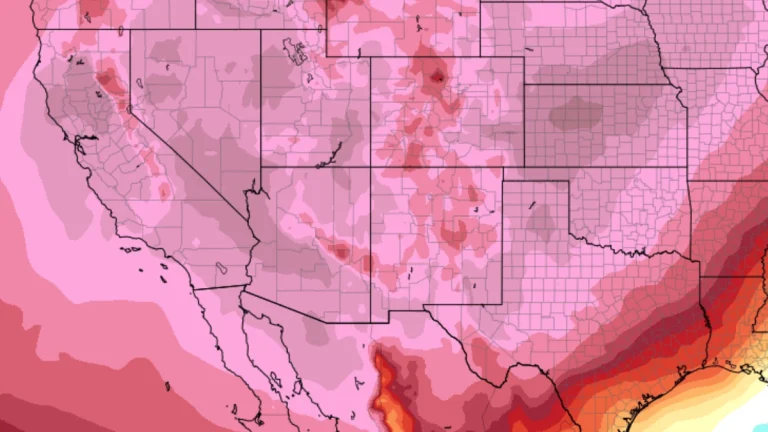
    Extreme Heat Watches have been issued for parts of California and Arizona as an anomalous and unusually prolonged heat event intensifies across the Southwest United States. Watches begin Monday, March 16, 2026, in parts of Southern California, then expand into parts of Arizona and southeast California later in the week, with some desert areas forecast to reach up to 43°C (109°F) and temperatures in some locations rising 11–17°C (20–30°F) above normal for mid-March.

  • Freeze warnings in effect across southern Arizona, southeastern California, and southern Nevada

    Freeze warnings remain in effect across much of southern Arizona, southeastern California, and southern Nevada through the morning of Saturday, January 10, 2026. Temperatures are forecast to fall below freezing across several valleys and desert regions, including the Tucson and Phoenix metropolitan areas, the Las Vegas Valley, and the Upper Gila River and San Pedro valleys. The National Weather Service warns that these conditions could kill crops, damage sensitive vegetation, and affect exposed plumbing.

  • Twin cross-country storms to bring severe weather from the Cascades and Rockies to the Mississippi Valley

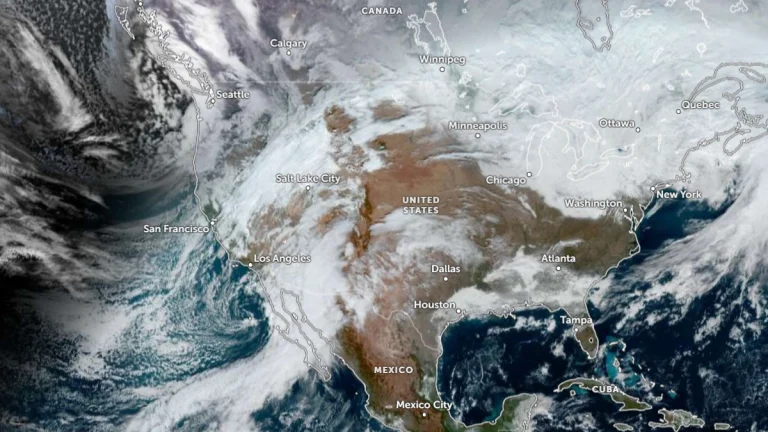
    A pair of cross-country storm systems will affect large parts of the United States through Friday, January 9, 2026, bringing widespread rain, mountain snow, and a risk of severe thunderstorms. Heavy snowfall is forecast for the Cascades and the southern Rockies. Flash floods and severe thunderstorms are forecast across the Lower Mississippi and Tennessee Valleys by the end of the week.