• Rare meteotsunami causes deadly surge along Santa Clara del Mar coast, Argentina

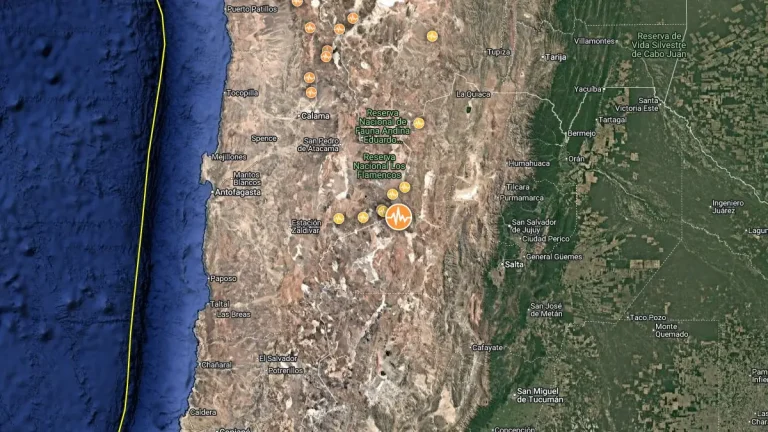
    A strong meteotsunami impacted Argentina’s Atlantic coast on January 12, generating an abrupt sea-level rise and destructive waves that struck Santa Clara del Mar and nearby beaches in Mar Chiquita Partido. The event occurred during the late afternoon, between 16:20 and 17:00 local time (19:20–20:00 UTC), while beaches were full under hot summer conditions. Witnesses…

  • Planchón-Peteroa volcano enters new eruptive phase, Chile–Argentina border

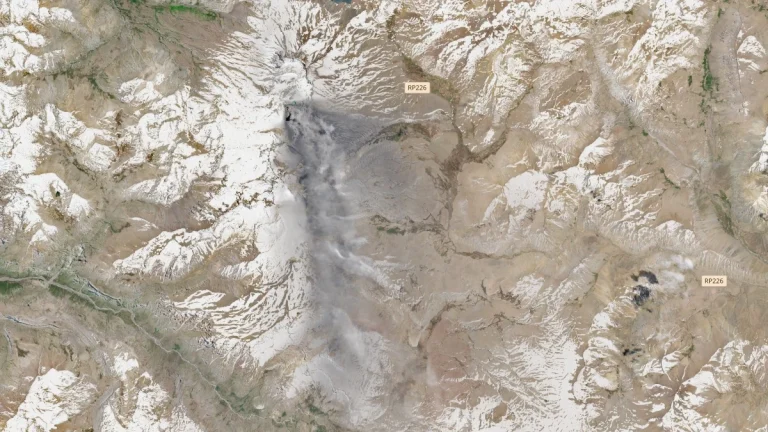
    A period of renewed eruptive activity occurred at Planchón-Peteroa volcanic complex on the Chile–Argentina border between late October and early November 2025. Volcanic Ash Advisory Center (VAAC) Buenos Aires issued multiple warnings for continuous ash emissions reaching altitudes of up to 4 600 m (15 000 feet). Local monitoring networks reported persistent degassing and minor explosions. The volcanic alert level remains at Yellow.

  • Major M7.6 earthquake hits Drake Passage, hazardous tsunami waves possible

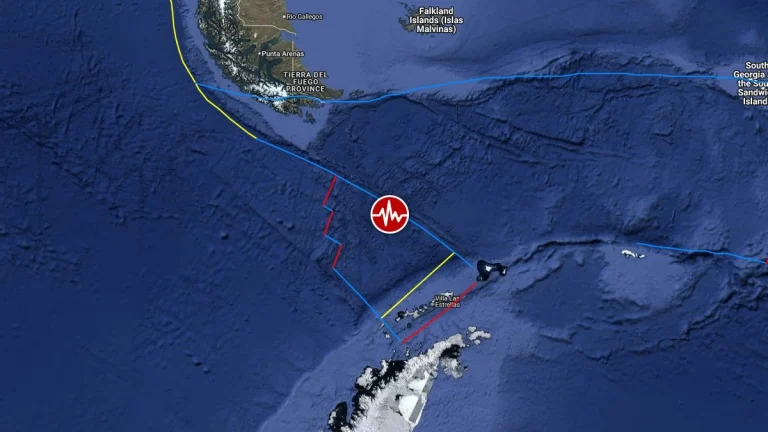
    A major and shallow earthquake registered by the USGS as M7.6 struck the Drake Passage at 20:29 UTC on October 10, 2025. The agency is reporting a depth of 10.5 km (6 miles). EMSC is reporting M7.7 at a depth of 10 km (6.2 miles). According to the Pacific Tsunami Warning Center (PTWC), hazardous tsunami waves are possible within 1 000 km (620 miles) of the epicenter.

  • Fine ash emissions and increased tremor at Planchón-Peteroa, Chile–Argentina

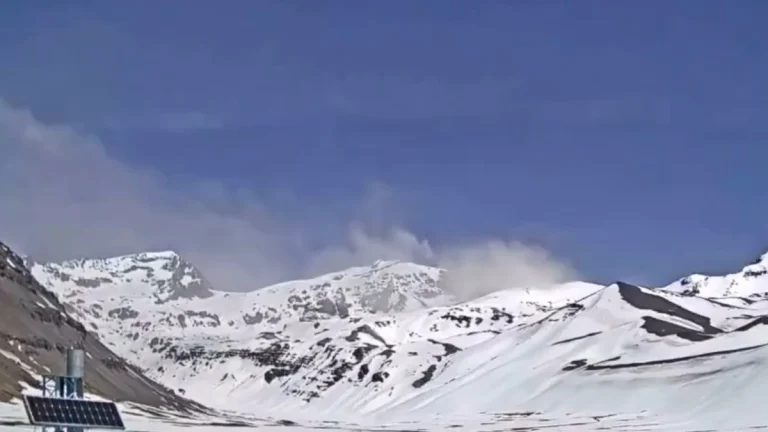
    The Argentine Geological and Mining Service (SEGEMAR) reported increased surface activity at the Planchón-Peteroa volcanic complex starting at 01:00 LT (04:00 UTC) on October 3, 2025, including emissions of fine volcanic ash rising up to 250 m (820 feet) above the crater. The technical alert remains at Yellow, with continued binational monitoring by SEGEMAR and Chile’s National Geology and Mining Service (SERNAGEOMIN).

  • Thousands evacuated, several missing in Buenos Aires Province floods

    Torrential rains struck northern Buenos Aires Province, Argentina, between May 16 and 18, 2025, forcing over 4 100 people to evacuate and leaving several others missing. The storms brought more than 400 mm (16 inches) of rainfall, flooding towns, closing major highways, and disrupting the regional soybean harvest.