• Detection of most energetic neutrino ever indicates new type of high-energy astrophysical source

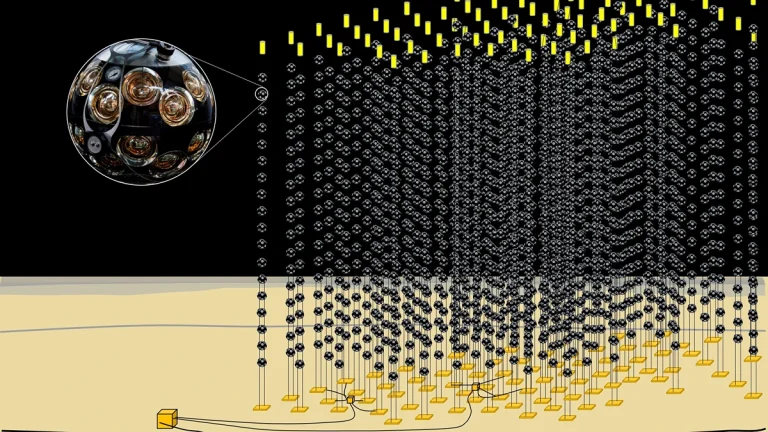
    The most energetic neutrino ever observed was detected by the KM3NeT neutrino observatory in the Mediterranean Sea, estimated at 220 PeV (220 x 1015 electron volts or 220 million billion electron volts). The event, designated KM3-230213A, challenges existing cosmic ray models and may indicate a new type of high-energy astrophysical source.

  • Hear the sound of BepiColombo flying past Mercury

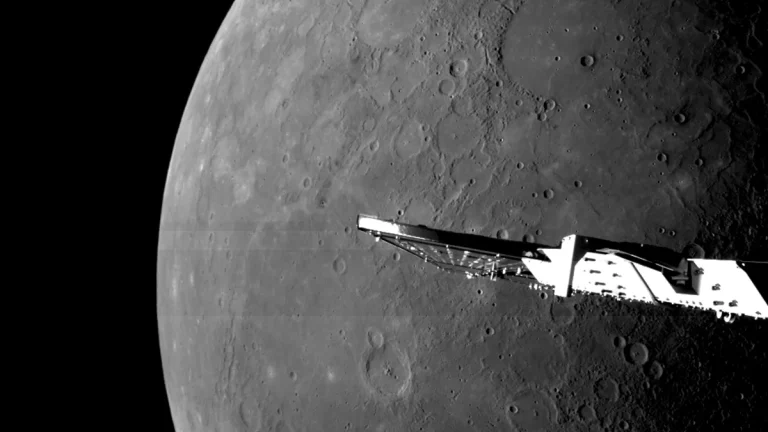
    ESA/JAXA BepiColombo mission’s 6th and final Mercury flyby took place at 05:59 UTC on January 8, 2025, passing just 295 km (183 miles) above the planet’s surface.

    While space is silent, instruments aboard the spacecraft recorded data that mission teams converted into audible frequencies, allowing listeners to “hear” the flyby in a newly released recording.

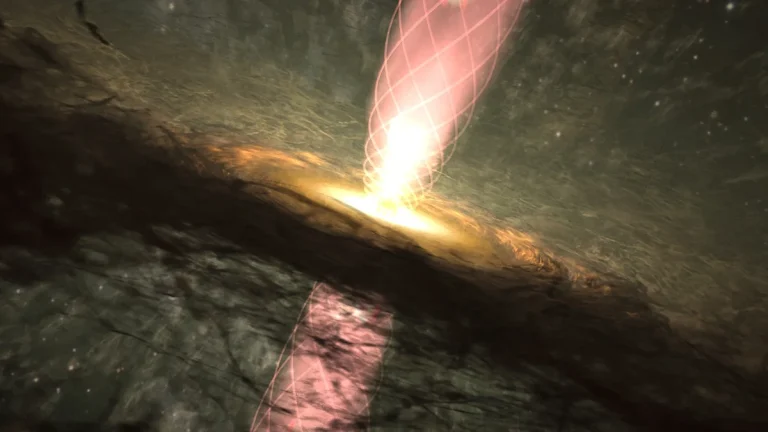
  • First evidence of helical magnetic field in HH 80-81 protostellar jets

    Scientists reported the first-ever evidence of a helical magnetic field within HH 80-81 protostellar jet on January 7, 2025, using data from the Karl G. Jansky Very Large Array (VLA). It is the first time a Rotation Measure (RM) analysis has been performed on a protostellar jet.

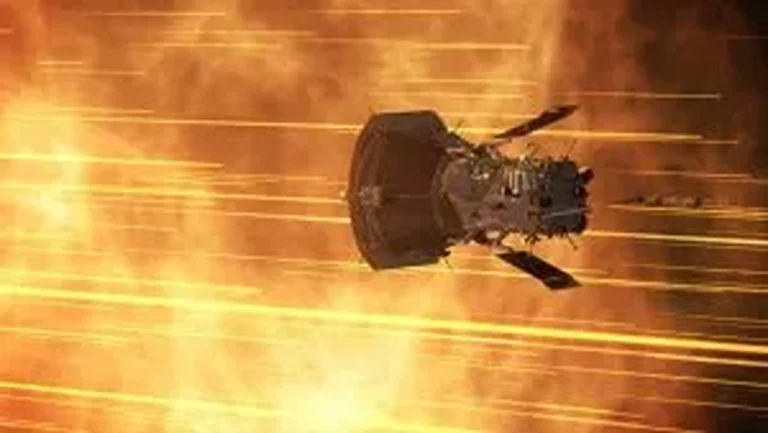
  • Parker Solar Probe makes closest approach to Sun on Christmas Eve as fastest man-made object ever

    NASA’s Parker Solar Probe made its closest approach to the Sun at 11:53 UTC on December 24, 2024, coming within 6.1 million km (3.8 million miles) of its surface. Traveling at a remarkable speed of 700 000 km/h (435 000 mph), it set a record as the fastest human-made object in history. The probe’s next transmission is expected on December 27 to report its health after the perihelion.