• 1906 San Francisco earthquake: Magnitude, damage, and key facts

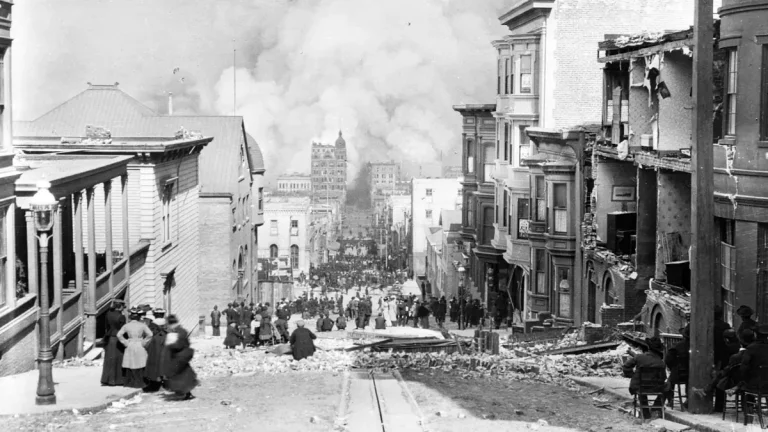
    A powerful earthquake struck northern California on April 18, 1906, devastating San Francisco and igniting fires that burned for three days. With an estimated magnitude of 7.9, it remains one of the most destructive seismic events in U.S. history. As the city marks the 119th anniversary today, the earthquake’s legacy continues to inform modern seismology, urban planning, and disaster preparedness.

  • What causes the aurora borealis? Northern lights explained

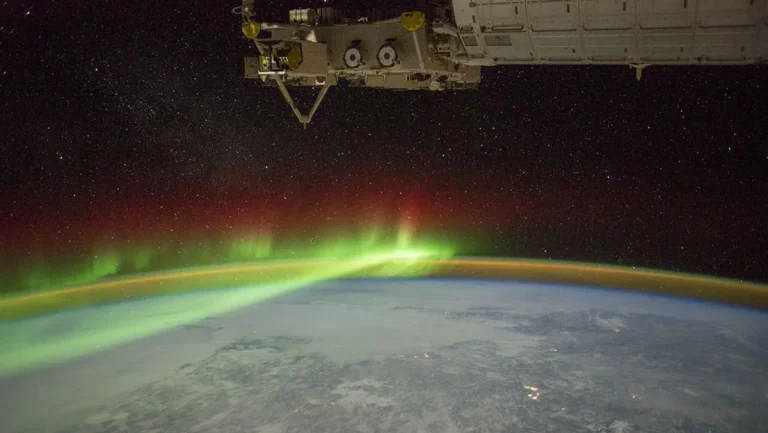
    The aurora borealis forms when charged particles ejected from the Sun during solar storms interact with Earth’s magnetic field and collide with gases in the upper atmosphere. As these energetic particles funnel along magnetic field lines toward the poles, they strike atoms of oxygen and nitrogen, transferring energy that is then released as visible light. This process generates shimmering bands of green, red, and violet light that trace the structure of Earth’s magnetosphere, varying in color depending on the altitude and type of atmospheric gas involved.