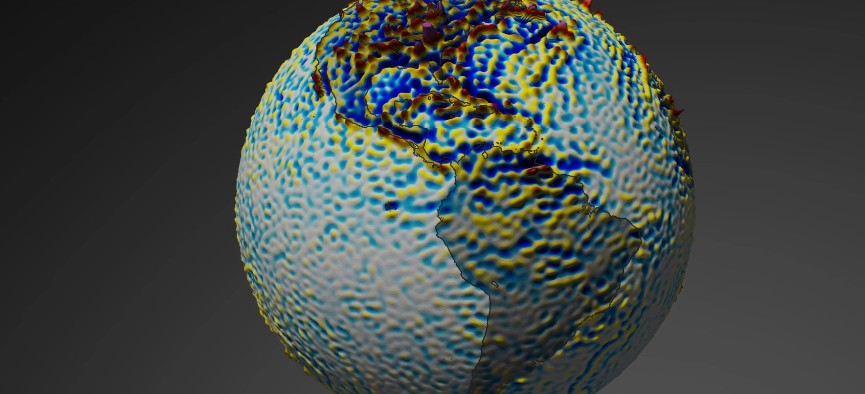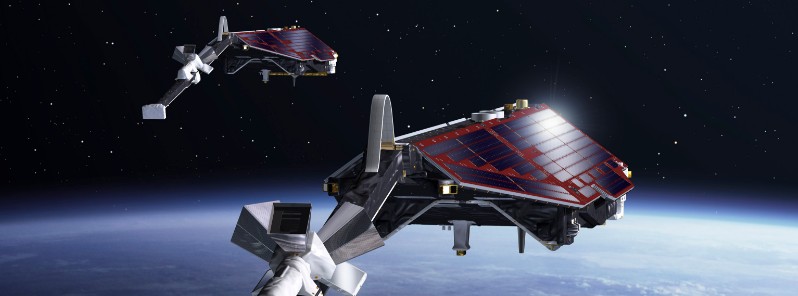
• Highest resolution map of Earth’s lithospheric magnetic field

    After three years of collecting data, Swarm mission scientists have produced the highest resolution map of Earth’s lithospheric magnetic field from space to date. The dataset combines measurements from ESA’s Swarm satellites with historical data from the…

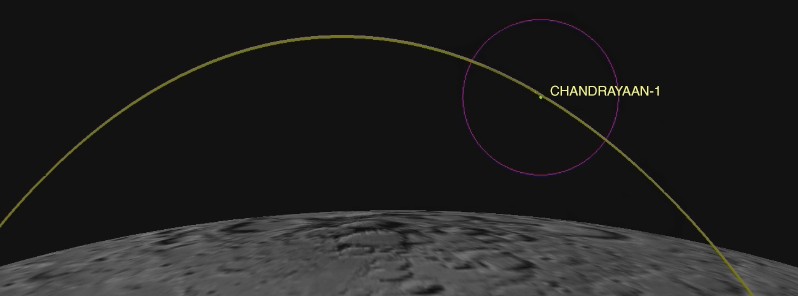
  • JPL finds satellite lost in Moon’s orbit

    A new technological application of interplanetary radar pioneered by scientists at NASA's Jet Propulsion Laboratory in Pasadena, California, has successfully located spacecraft orbiting the moon – one active, and one dormant. This new technique could assist…

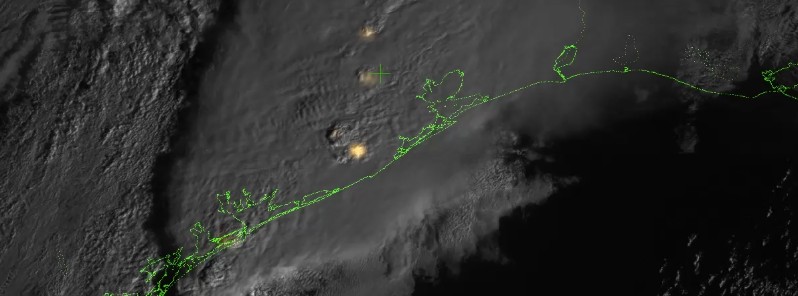
  • First lightning detector in a geostationary orbit

    The first lightning detector in a geostationary orbit, the Geostationary Lightning Mapper (GLM), aboard GOES-16, is now transmitting data never before available to forecasters. The mapper continually looks for lightning flashes in the Western Hemisphere, so…

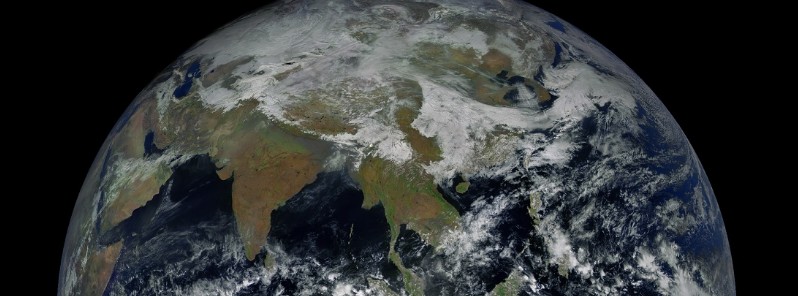
  • First imagery from next-generation FY-4A geostationary satellite

    China has released the first imagery from Fengyun-4A, the first of their second generation of Geostationary Meteorological Satellites. The satellite will support forecasts and warnings, numerical weather prediction, wildfire and space weather monitoring and more. It…

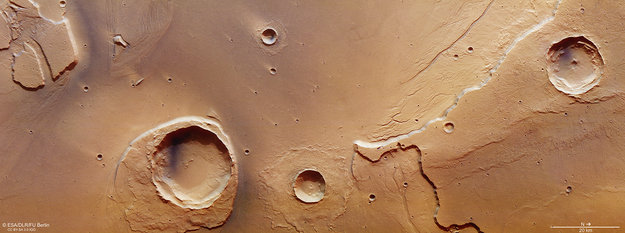
  • Mars Express finds remnants of mega-flood on Mars

    Mars Express has captured images of one of the largest outflow channel networks on the Red Planet, providing evidence of ancient mega-flood on Mars, ESA announced today. The Kasei Valles channel system extends around 3 000 km (1 864 miles) from its source region in…

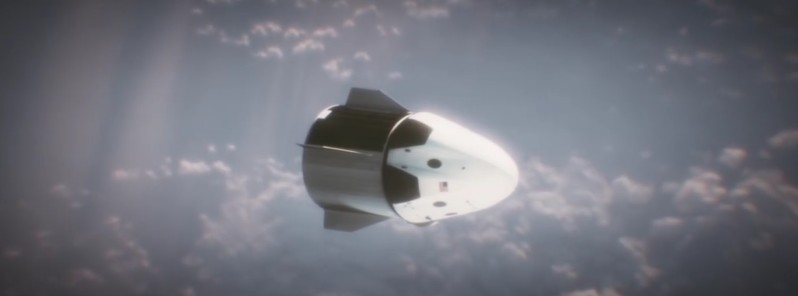
  • SpaceX to fly two private citizens on a trip around the Moon

    SpaceX will fly two private citizens on a trip around the Moon in the second quarter of 2018 using the Crew Dragon spacecraft, the company announced. The privately held company has been approached to fly two private citizens on a trip around the Moon late next year…

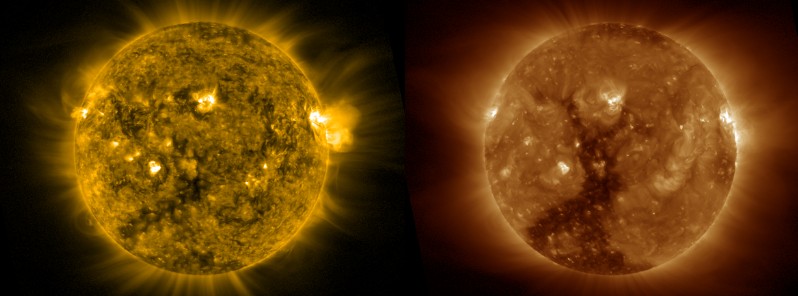
  • GOES-16 delivers its first images of the Sun

    NASA's new geostationary satellite GOES-16 (previously known as GOES-R) has successfully captured first images using its Solar Ultraviolet Imager or SUVI instrument. SUVI replaces GOES Solar X-ray Imager (SXI) instrument in previous GOES satellites and…

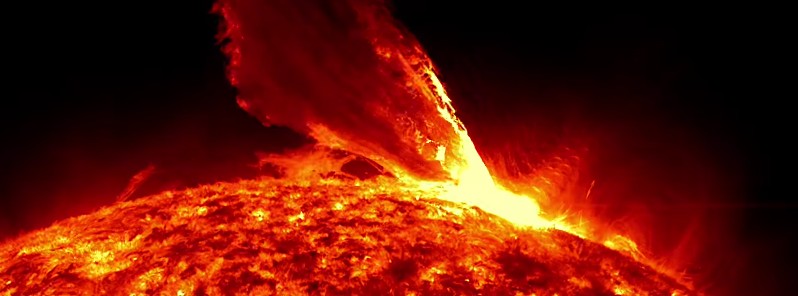
  • Fermi sees gamma rays from Sun’s far side

    Fermi Gamma-ray Space Telescope has observed high-energy light from solar eruptions located on the Sun's far side, which should block direct light from these events. This apparent paradox is providing solar scientists with a unique tool for exploring how charged…

  • Swarm-B on possible collision course with space debris

    US armed forces’ Joint Space Operations Center (JSpOC) has identified a close approach for ESA's Swarm-B satellite forecast to occur at 23:10 UTC on January 25, 2017. The forecast miss distance is just 361 m (1 184 feet), and this triggers a risk above the…

  • New age of weather satellites: GOES-16 sends first images

    GOES-16, previously known as GOES-R, NOAA's newest weather satellite, has finally sent its first images. The release of the first images today is the latest step in a new age of weather satellites. It will be like high-definition from the heavens, NOAA says….