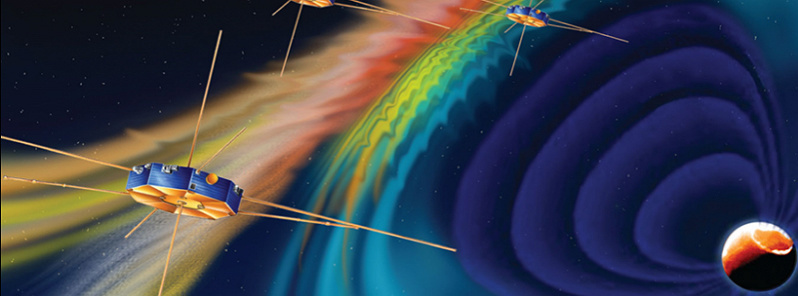
• Jets of ionospheric cold plasma discovered at the magnetopause

    The Sun and Earth both produce powerful magnetic fields, and their intersection develops a complex system of physics that determines the space weather experienced by our planet. The solar wind – a constant stream of charged particles (plasma) emitted from the Sun -…

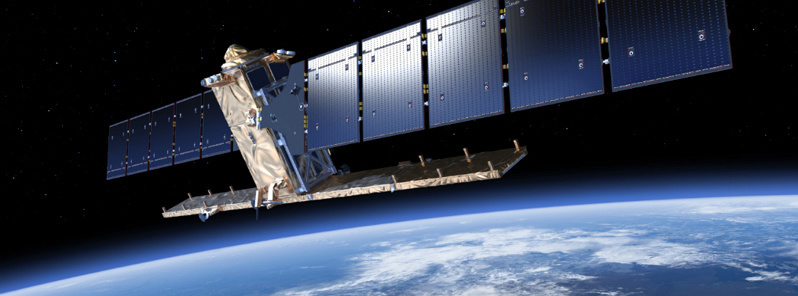
  • Sentinel-1 sees through hurricanes, helping predict their paths

    This year’s Atlantic hurricane season has been a harsh reminder of the grief and devastation brought by these vast storms. Imaging the top of hurricanes from space is nothing new, but the Sentinel-1 satellites can see right through these towering spinning…

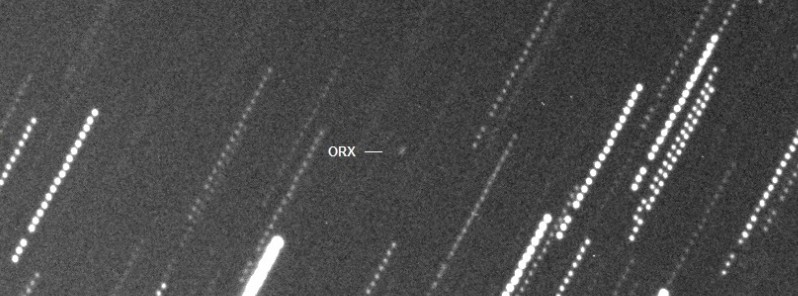
  • OSIRIS-REx slingshots past Earth toward Asteroid Bennu

    OSIRIS-REx, NASA’s asteroid sample return spacecraft successfully used Earth’s gravity on Friday, September 22, 2017 to slingshot itself on a path toward the Asteroid Bennu, for a rendezvous next August. The spacecraft came within 17 237 km (10 711…

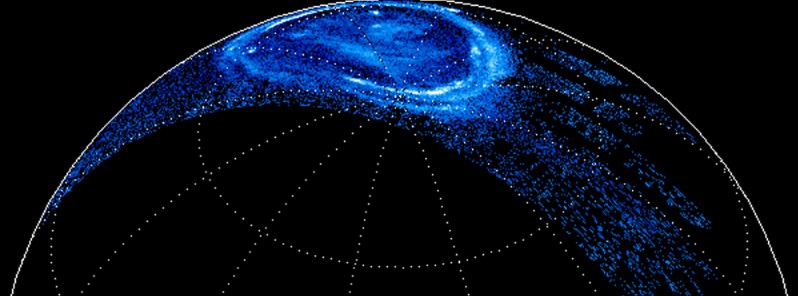
  • Jupiter’s auroras present a powerful mystery

    Scientists on NASA's Juno mission have observed massive amounts of energy swirling over Jupiter's polar regions that contribute to the giant planet's powerful auroras – only not in ways the researchers expected. Examining data collected by the…

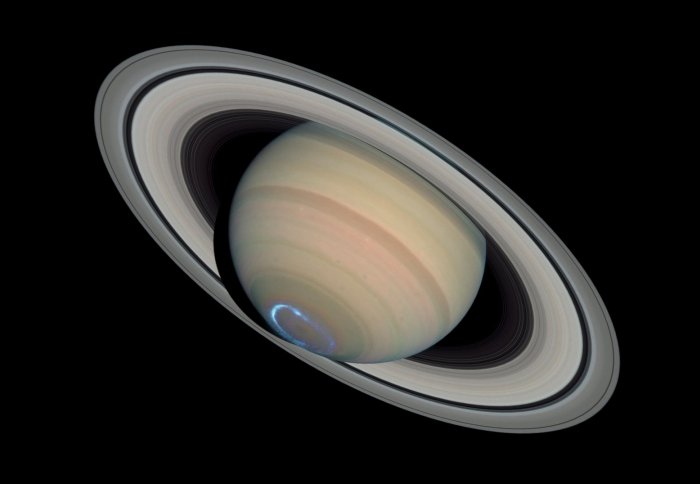
  • Saturn’s ‘weird’ magnetic field perplexes scientists

    The Cassini probe's first results from inside Saturn's rings make scientists question the conventional wisdom on how planets form magnetic fields. As NASA's Cassini spacecraft makes its unprecedented series of weekly dives between Saturn and its rings,…

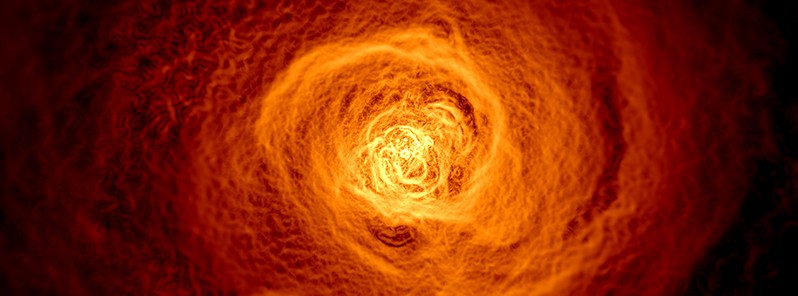
  • X-ray ‘tsunami’ discovered in Perseus galaxy cluster

    Scientists have discovered a vast wave of hot gas in the nearby Perseus galaxy cluster, spanning some 200 000 light-years. This is twice the size of our own Milky Way galaxy. The discovery was made combining data from NASA's Chandra X-ray Observatory with radio…

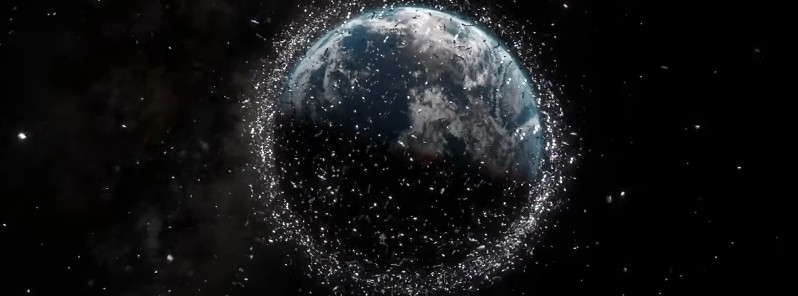
  • Dealing with space debris, preventing chain reaction

    During April 18 – 21, experts from around the world will meet at ESA’s European Space Operations Centre, Darmstadt, Germany for the 7th European Conference on Space Debris discussing the extent of the space debris problem and what can be done to ensure that…

  • Birkeland currents stronger in the northern hemisphere, vary with the season

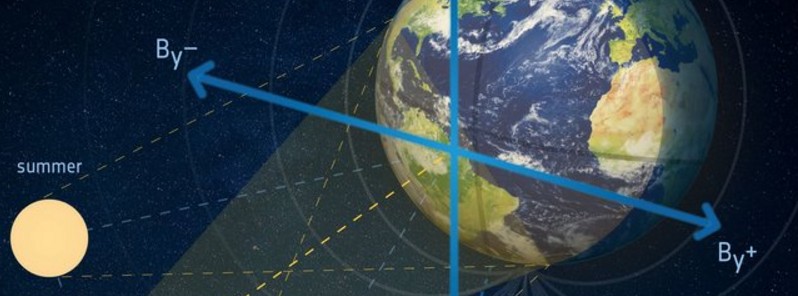
    ESA’s Swarm mission has discovered that this seasonal variation of Birkeland currents, strong electric currents in the upper atmosphere, is not the same in the north and south polar regions. Named after Kristian Birkeland, the scientist a century ago who first…

  • Supersonic plasma jets discovered

    Scientists analyzing data obtained by Swarm trio of satellites have discovered supersonic plasma jets high up in our atmosphere that can push temperatures up to almost 10 000 °C (18 000 °F). The discovery was presented at this week’s Swarm Science…