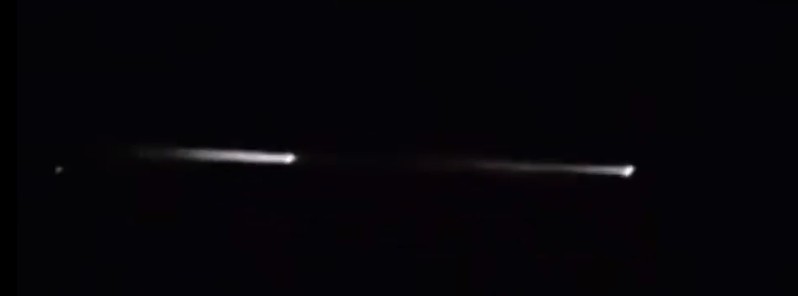
• CZ-3B rocket body re-entry recorded over Paraguay

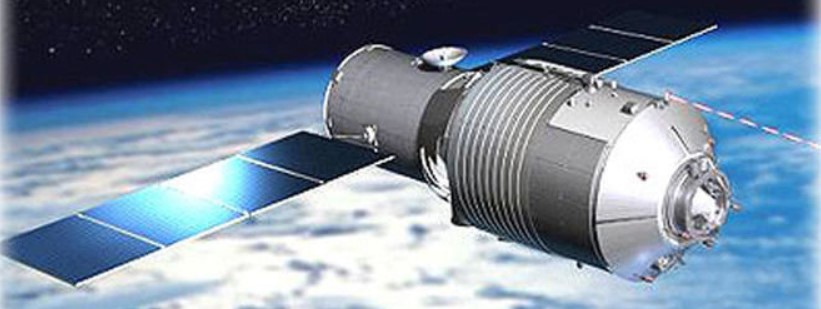
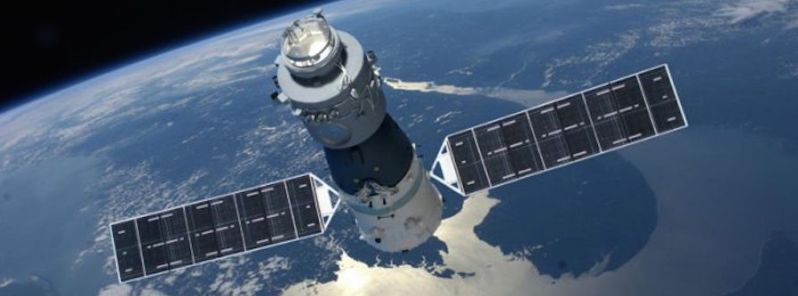
    The body of Chinese Long March 3B rocket, also known as CZ-3B, launched December 10, 2017, re-entered Earth's atmosphere around 05:52 UTC on March 10 over Paraguay, creating a spectacular show. The American Meteor Society (AMS) received just one witness report…

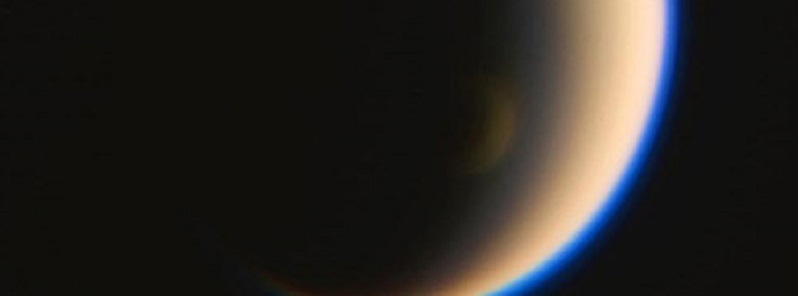
  • Unexpected atmospheric vortex behavior on Saturn’s moon Titan

    A new study, led by a University of Bristol earth scientist, has shown that recently reported unexpected behavior on Titan, the largest moon of Saturn, is due to its unique atmospheric chemistry. Titan’s polar atmosphere recently experienced unexpected and…

  • Three decades of measurements show ozone’s ups and downs

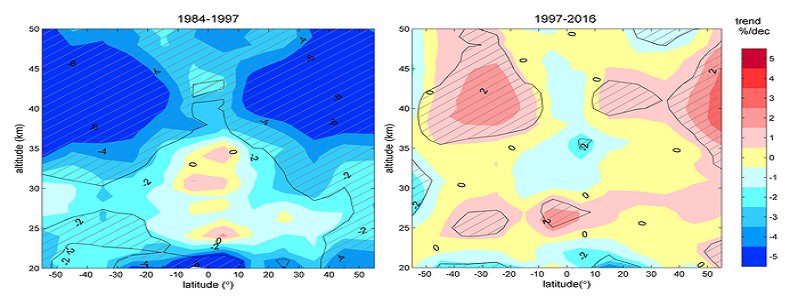
    Climate scientists studying three decades of ozone measurements from seven satellites see a positive trend in global recovery after international efforts to curb ozone-depleting substances. The part of Earth’s atmosphere with high concentrations of ozone gas…

  • Hubble sees nearby asteroids photobombing distant galaxies

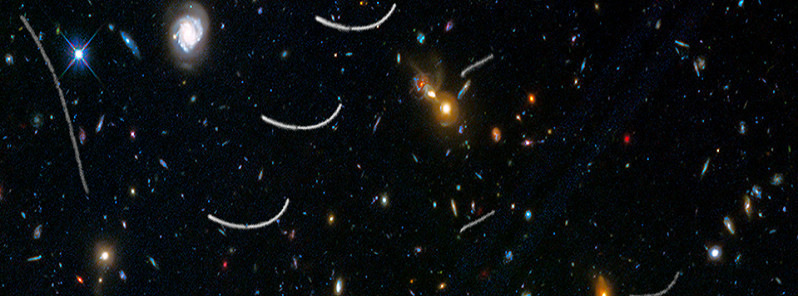
    Some of our solar system's asteroids have photobombed deep images of the universe taken by NASA's Hubble Space Telescope. These asteroids reside, on average, only about 99.4 million km (160 million miles) from Earth — right around the corner in…

  • Return of the Comet: 96P spotted by ESA, NASA satellites

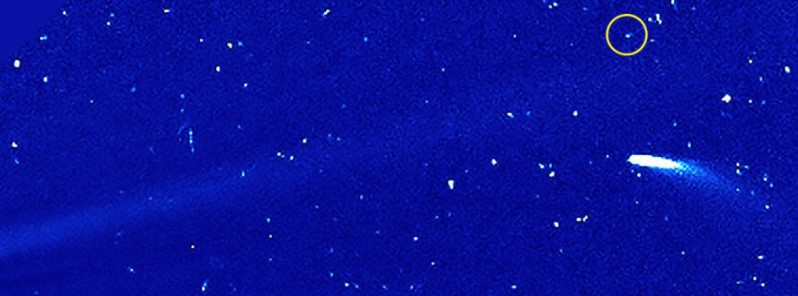
    The ESA (European Space Agency) and NASA mission SOHO — short for Solar and Heliospheric Observatory — got a visit from an old friend this week when comet 96P entered its field of view on October 25, 2017. The comet entered the lower right corner of…

  • ‘Monster’ planet discovery challenges formation theory

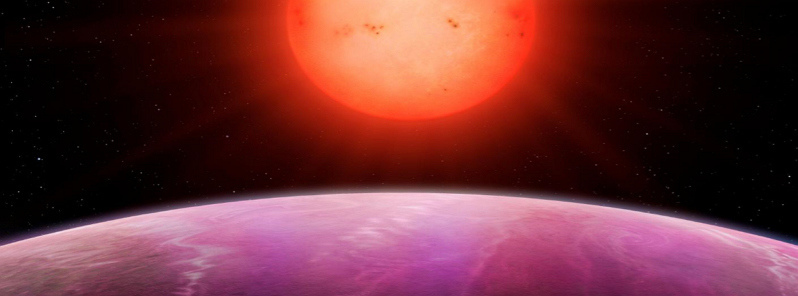
    A giant planet – the existence of which was previously thought extremely unlikely – has been discovered by an international collaboration of astronomers, with the University of Warwick taking a leading role. New research, led by Dr. Daniel Bayliss and Professor…

  • Spitzer reveals ancient galaxies’ frenzied starmaking

    A deep look back to the early universe by NASA's Spitzer Space Telescope has revealed a surprisingly rowdy bunch of galaxies. Within a large galaxy sample, Spitzer witnessed around 15% of galaxies undergoing bouts of extreme starmaking, called starbursts. The…