• Ice age confirmed at the north pole of Mars

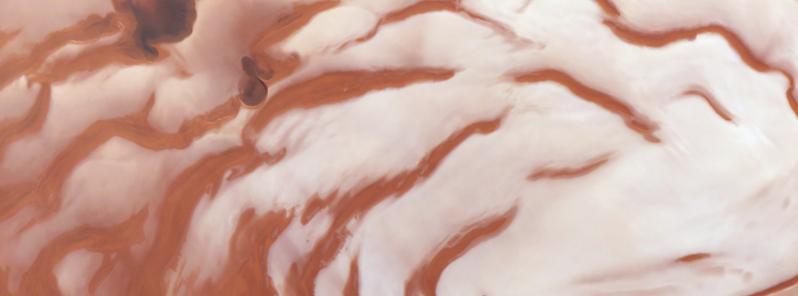
    A team of scientists led by experts from the Southwest Research Institute (SwRI), Texas has utilized the radar data collected by NASA's Mars Reconnaissance Orbiter to discover the evidence of an ice age at the Martian north pole. According to researchers, the…
  • The comet Venus – past and present

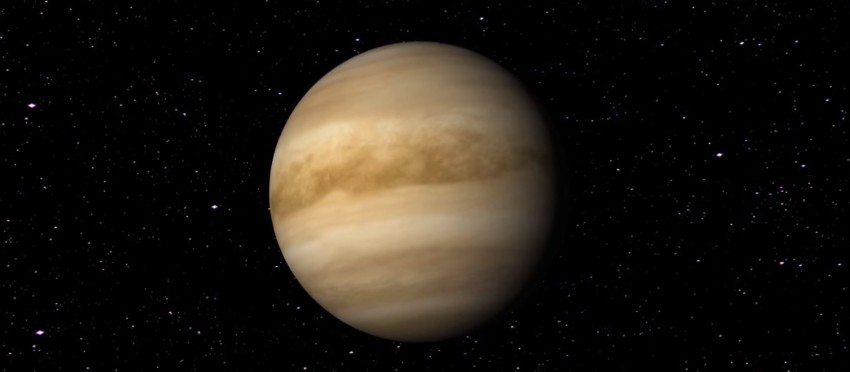
    The planet Venus presents many unresolved mysteries to planetary scientists. However, equally mysterious is Venus' extraordinary role in the world's ancient astronomies. In this Space News episode, we explore the remarkable electrical environment of Venus…

  • New Mars’ gravity map released

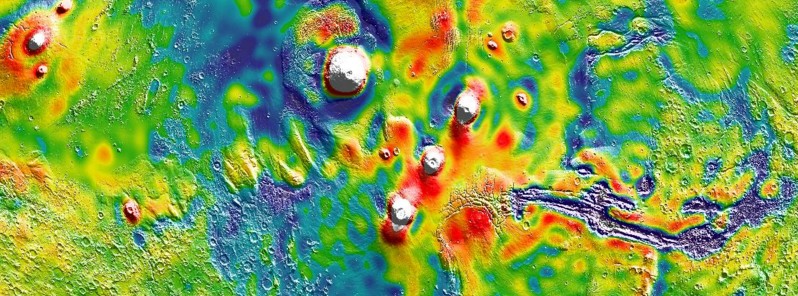
    A new map of Mars' gravity was released this month, providing a glimpse into the hidden interior of the planet. The map, most detailed to date, was derived using Doppler and range tracking data collected by NASA's Deep Space Network from three NASA…

  • Bright spots of Ceres reveal unexpected changes

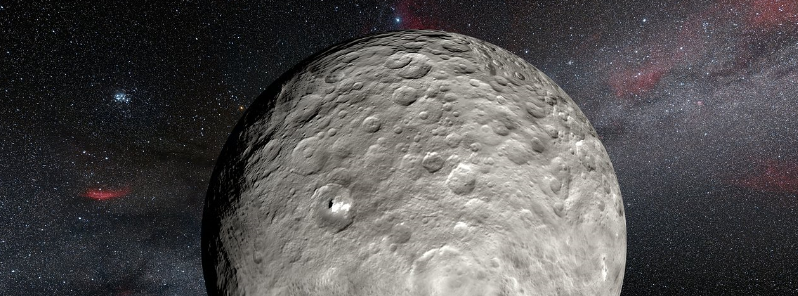
    New observations of the dwarf planet Ceres, made by the HARPS spectrograph at ESO's La Silla Observatory in Chile show its bright spots become brighter during the day and show other variations, not only those changes related to planet's rotation. The results…

  • Massive lava flow released 3.5 billion years ago tilted Mars

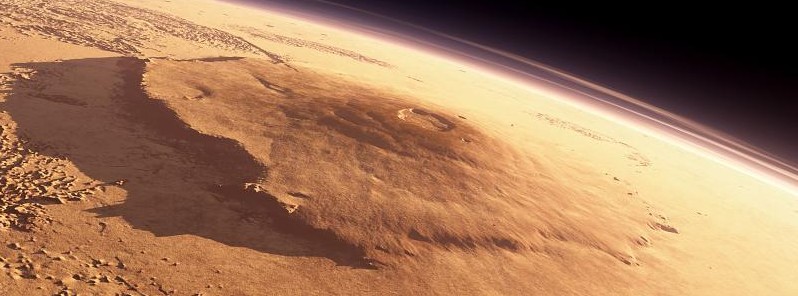
    A group of scientists discovered Mars' north and south pole were displaced after a huge volcano spewed massive amount of lava 3.5 billion years ago. The weight of the lava had caused the planet's outer layers to become displaced. The study explained the…

  • Visualizing milestones of the ExoMars 2016 mission

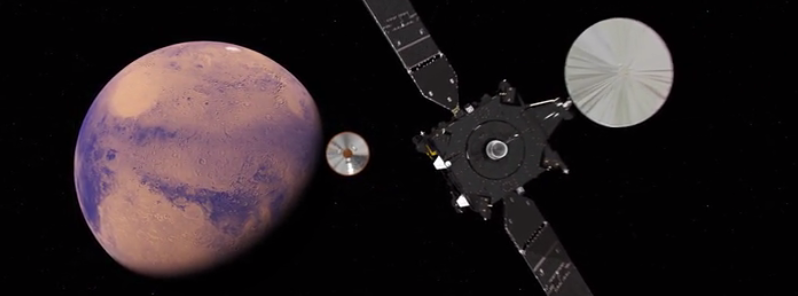
    The European Space Agency (ESA) has established the ExoMars programme to research the question if life ever existed on Mars. The programme will investigate the Martian environment through two missions. The first one, consisting of an Orbiter plus and Entry, Descent…

  • Isolated hills on Pluto floating in the sea of frozen nitrogen

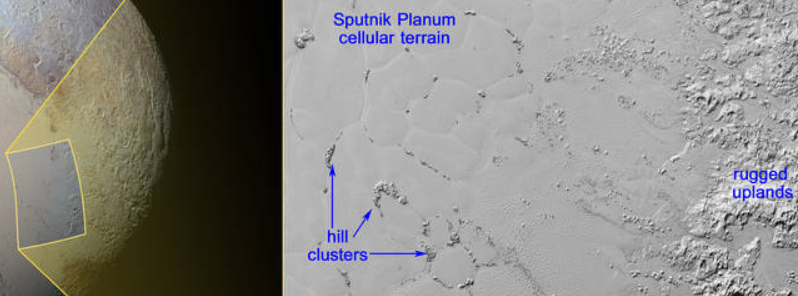
    NASA's New Horizons missions collected images and data indicating the isolated hills on Pluto may be fragments of water ice from the planet's surrounding uplands. The hills are thought to float in a sea of frozen nitrogen and move just like the icebergs in…

  • Ceres imaged from the lowest orbital altitude ever

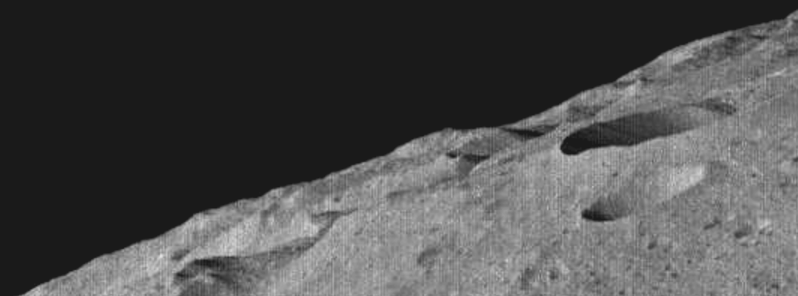
    NASA's Dawn spacecraft collected new detailed images of the cratered and fractured southern hemisphere surface of the dwarf planet Ceres on December 10, 2015. The spacecraft took the images while cruising in the lowest and final orbit of the small planet. Dawn…

  • Cassini makes final close flyby images of Saturn’s moon Enceladus

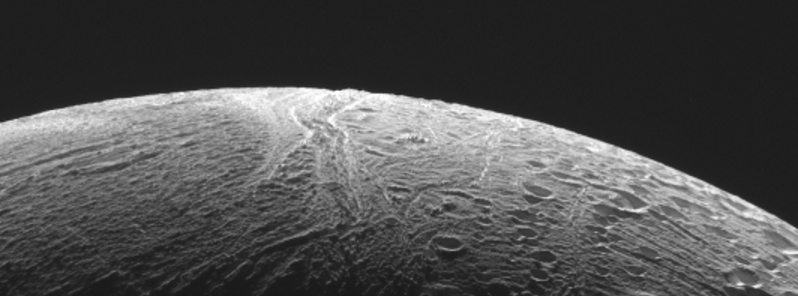
    NASA's Cassini spacecraft made its 22nd and the final close flyby of Saturn's moon Enceladus on December 19, 2015 at 17:49 UTC and will now continue to observe the moon from a much greater distance. The spacecraft passed Enceladus at a distance of 4 999 km…