• Blue hazes and small regions of water ice found on Pluto

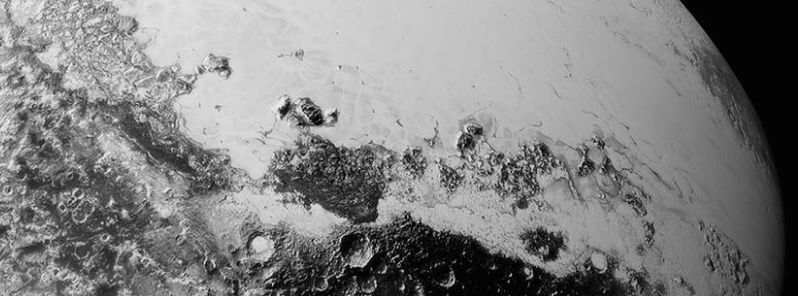
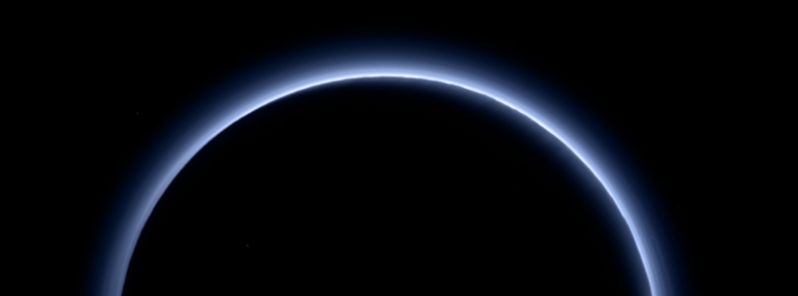
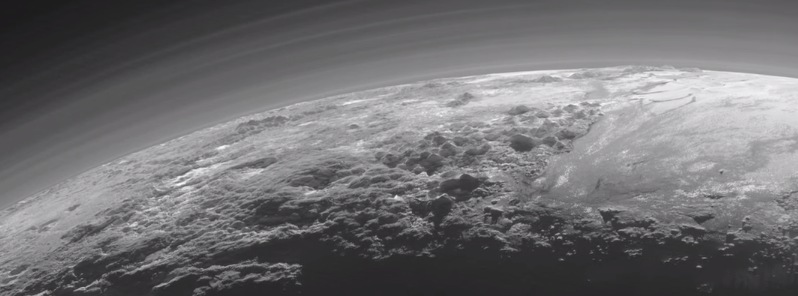
    The first color images of Pluto's atmospheric hazes, provided last week by NASA's New Horizons spacecraft show the hazes scatter blue light, NASA announced on October 8, 2015. New Horizons has also detected small, exposed regions of water ice on Pluto, using…
  • Pluto continues to surprise

    In the previous Space News episode, we discussed recent, astonishing images of the surface of the dwarf planet Pluto. Many other surprises have already been revealed in the data thus far released from NASA’s New Horizons mission. Today, physicist Eugene…

  • New maps uncover amazing geological features on Ceres

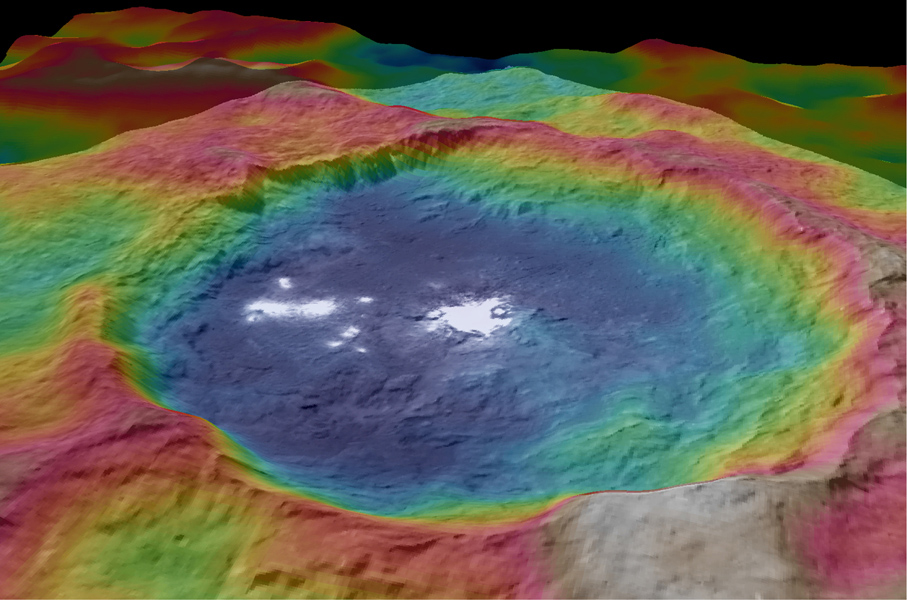
    A series of new images of Ceres have been provided by NASA's Dawn spacecraft, showing the geological features of the dwarf planet in amazing, unprecedented details. A new colored topographic map shows numerous recently approved names for various geological…

  • NASA confirms liquid water flows on Mars

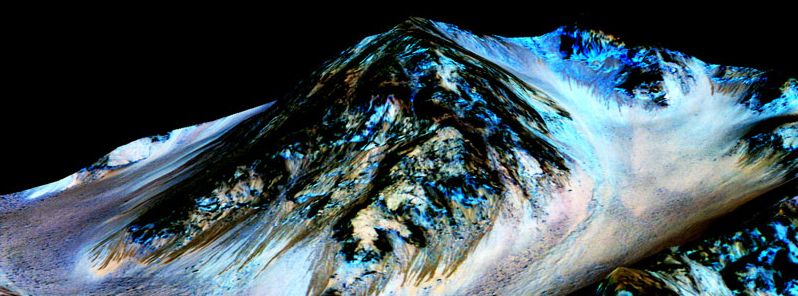
    The strongest evidence so far, provided by NASA's Mars Reconnaissance Orbiter (MRO) confirms that liquid water flows intermittently on Mars, NASA stated in their public announcement on September 28, 2015. NASA's MRO has provided new data, proving the existence o

  • New research reveals a global ocean beneath Saturn’s moon Enceladus

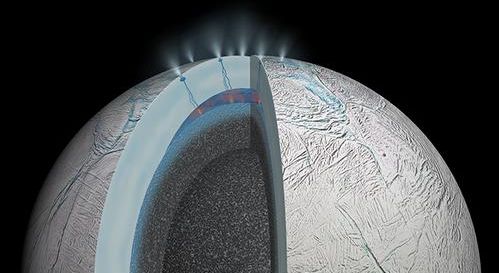
    Scientists have discovered a global ocean underneath the icy crust of Enceladus, the geologically active Saturn's moon. The discovery has been made by using data from NASA's Cassini mission, NASA announced on September 15, 2015.Researchers have come to this conc

  • Bright spots on Ceres imaged in striking new detail

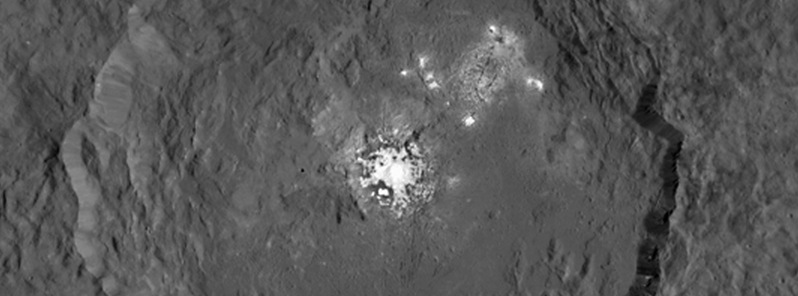
    NASA's Dawn spacecraft has provided new views of the dwarf planet Ceres, NASA's Jet Propulsion Laboratory (JPL) announced on September 9, 2015. The brightest spots and the closest-yet view of Occator crater has given scientists a deeper insight into these unusua

  • One step closer to solving the mystery of Mars’ atmosphere loss

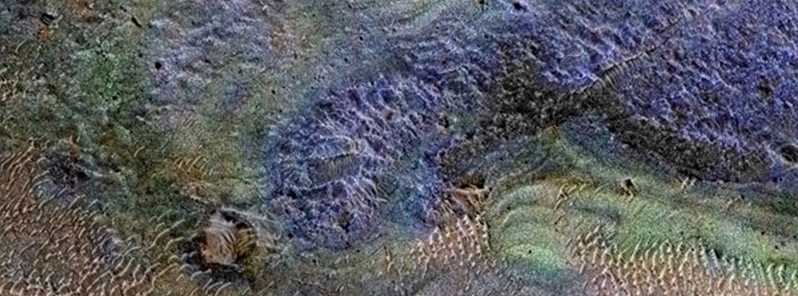
    A new analysis of the largest known deposit of carbonate minerals on Mars suggests that the original Martian atmosphere may have already lost most of its carbon dioxide by the era of valley network formation.Carbon dioxide makes up most of the Martian atmosphere. That g