• Mars might have liquid water

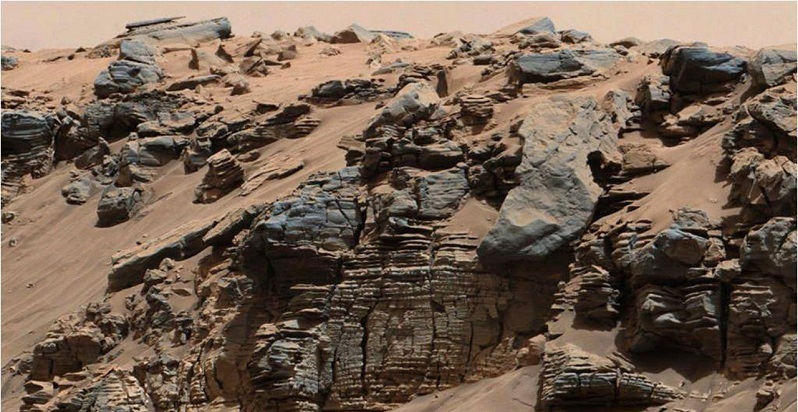
    Researchers have long known that there was water in the form of ice on Mars. Now, new research from NASA’s Mars rover Curiosity shows that it is possible that there is liquid water close to the surface of Mars. The explanation is that the substance perchlorate
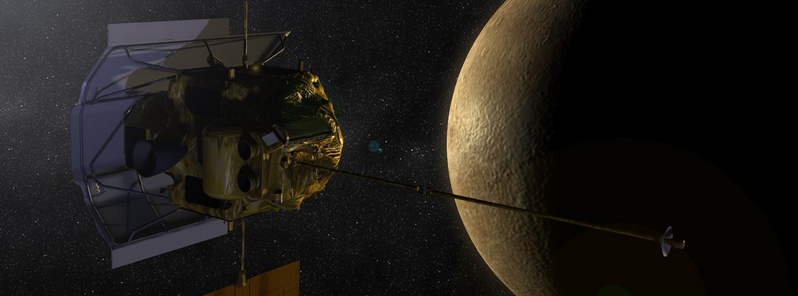
  • Gamma-ray spectrometer prompts researchers to rethink how Mercury formed

    A versatile instrument developed by Lawrence Livermore National Laboratory (LLNL) scientists and riding on the first spacecraft to ever orbit Mercury is causing researchers to rethink their theories on the planet’s formation.Known as the Gamma-Ray Spectrometer,

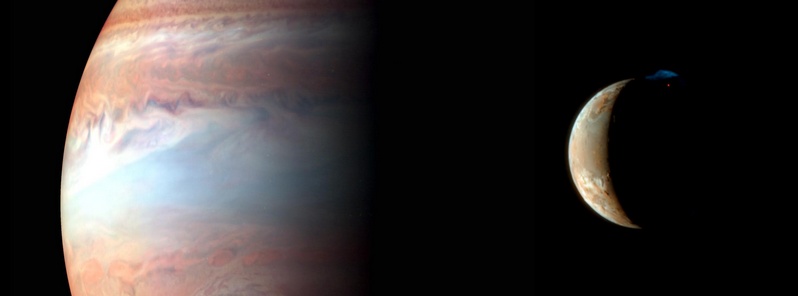
  • Scientists identify missing wave near Jupiter’s equator

    In the clouds of Jupiter, scientists have found evidence of a type of atmospheric wave that had long been proposed but had not been identified in images before now.Researchers consider this kind of wave, called a Kelvin wave, a fundamental part of a planetary atmosphere

  • Dawn’s new Ceres color map reveals surface diversity

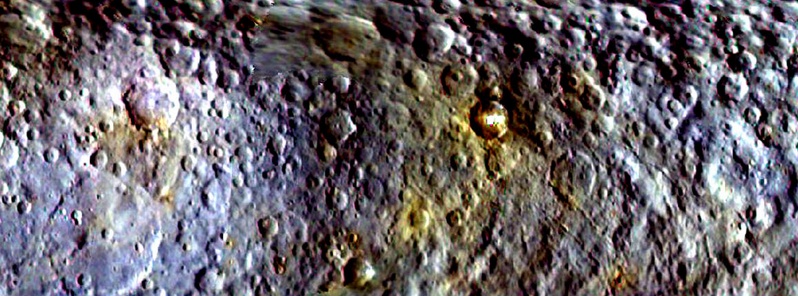
    A new color map of dwarf planet Ceres, which NASA's Dawn spacecraft has been orbiting since March 2015, reveals the diversity of the surface of this planetary body. Differences in morphology and color across the surface suggest Ceres was once an active body, Dawn

  • Are bright spots on Ceres electric?

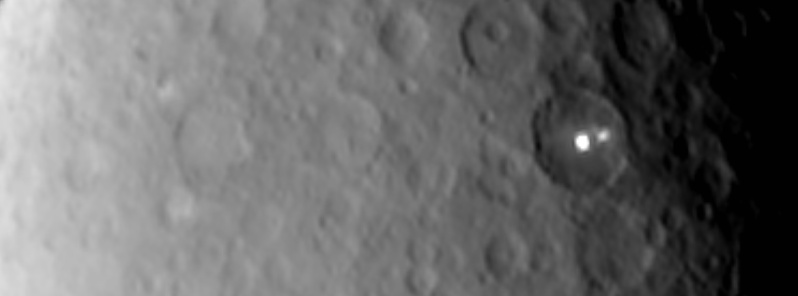
    In March, the NASA Dawn Spacecraft entered the orbit of the mysterious dwarf planet Ceres, with the craft scheduled to begin sending images to Earth later this month.For several weeks, surprising and unexplained bright spots within a crater on the planet’s surface

  • Unexplained warm layer discovered in Venus’ atmosphere

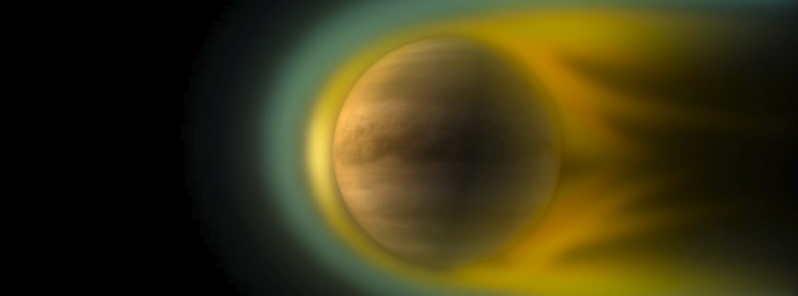
    A group of Russian, European and American scientists have found a warm layer in Venus’ atmosphere, the nature of which is still unknown. The researchers made the discovery when compiling a temperature map of the upper atmosphere on the planet’s night side ba

  • How is Mars rover Opportunity still alive?

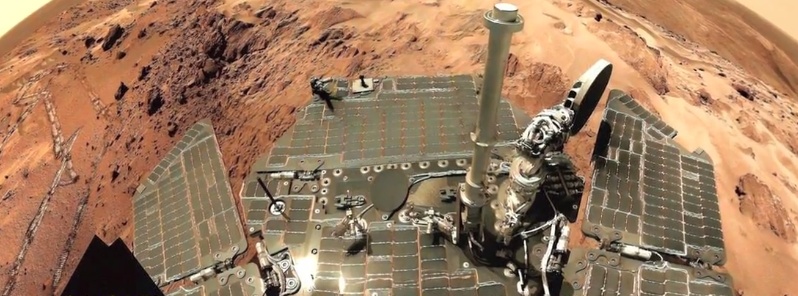
    Today, we review one of the great ongoing mysteries in the history of Mars exploration. In January of 2004, the Mars rovers Spirit and Opportunity arrived at the red planet about three weeks apart.Due to the extreme dustiness of the Martian environment, it was believed

  • Large underground ocean on Ganymede, Jupiter’s largest moon

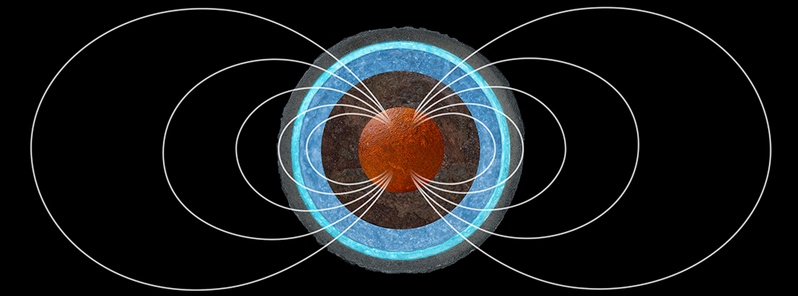
    Hubble Space Telescope has the best evidence yet for an underground saltwater ocean on Ganymede, Jupiter’s largest moon. The subterranean ocean is thought to have more water than all the water on Earth's surface. Identifying liquid water is crucial in the

  • MAVEN detects unexpected aurora and mysterious dust cloud around Mars

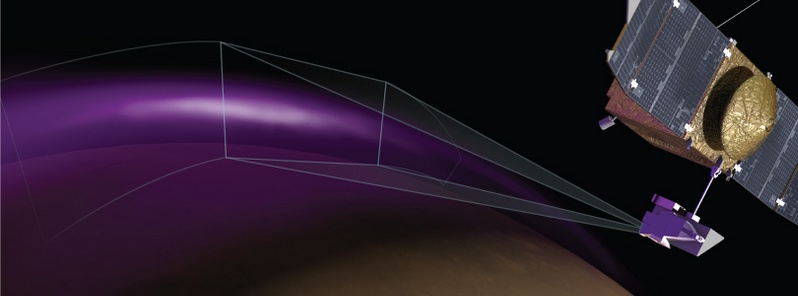
    Mars Atmosphere and Volatile Evolution (MAVEN) spacecraft has observed two unexpected phenomena in the Martian atmosphere: an unexplained high-altitude dust cloud and aurora that reaches deep into the Martian atmosphere.The presence of the dust at orbital altitudes from

  • Saturn’s moon Enceladus exhibits signs of hydrothermal activity

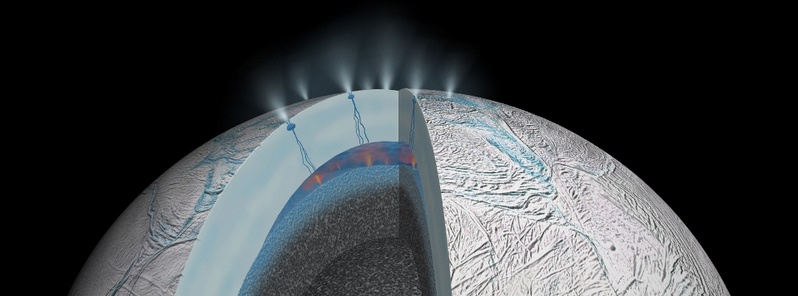
    Data obtained by NASA's Cassini spacecraft provided first clear evidence that Saturn's moon Enceladus exhibits signs of present-day hydrothermal activity which may resemble that seen in the deep oceans on Earth. The implications of such activity on a world