• Gemini discovers a young, Jupiter-like planet

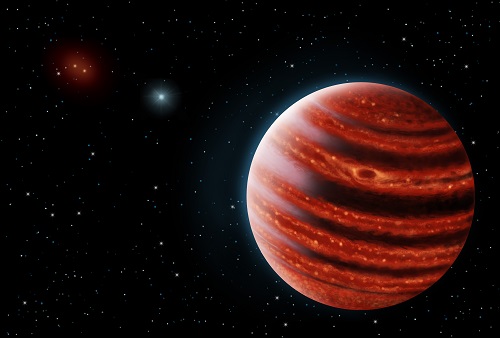
    Astronomers have imaged a new world of a young Jupiter in unprecedented details, using the Gemini Observatory's new Planet Imager (GPI). They discovered the planet's mass is about twice the Jupiter's, and it seems the planet is the most Solar System-like pla
  • Unusual red arcs spotted on the surface of Saturn’s icy moon Tethys

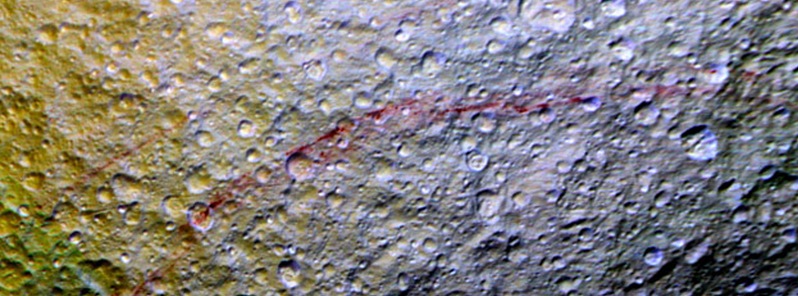
    New enhanced-color images from NASA's Cassini spacecradr revealed unexplained arc-shaped, reddish streaks on the surface of Saturn's icy moon Tethys. The red arcs are narrow, curved lines on the moon's surface, and are among the most unusual color features o

  • Pluto sends planetary scientists back to the drawing board

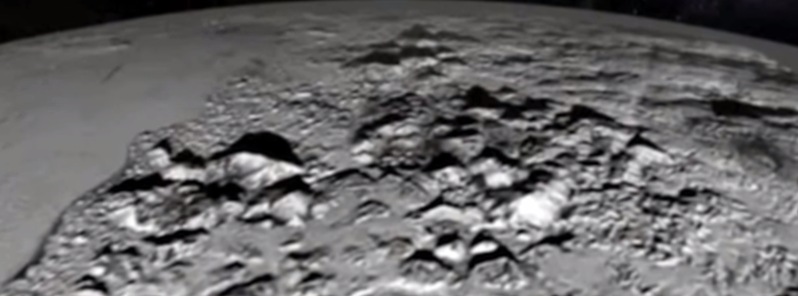
    Today, physicist Wal Thornhill continues his discussion of NASA’s New Horizons mission to the dwarf planet Pluto. The mission has already provided a number of surprises for planetary scientists.The tiny planet’s geological activity, its apparent age, the stu

  • Istok crater on Mars hints at Earth-like climate

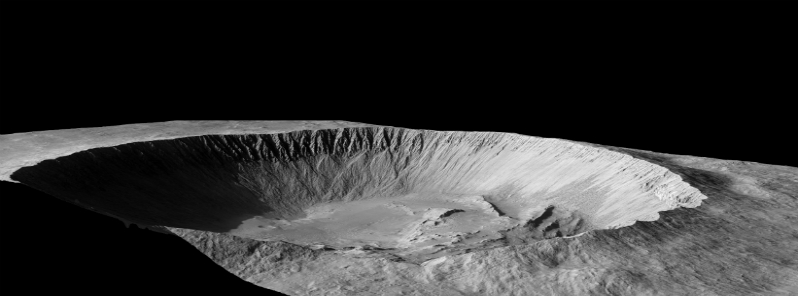
    A new study of young Istok crater led by Tjalling de Haas of Utrecht University in the Netherlands reveals that Mars, a planet of paradoxes, may have had a climate that resembles that of our own in the recent past.Istok crater, located in the Aonia Terra region of Mars,

  • Auroral substorms on Jupiter are not caused by the solar wind, alone

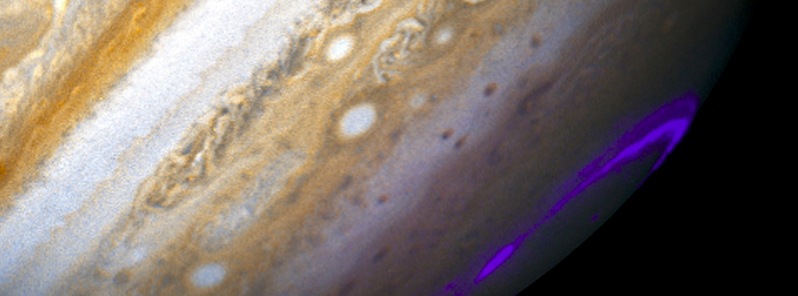
    A previous Picture of the Day published in late 2012 quoted Jonathan Nichols from the University of Leicester:“The main aurora oval on Jupiter we think should dim when the solar wind blows harder, but what we see is that actually gets brighter, which is totally

  • Final ‘all clear’ for historic July 14 Pluto flyby

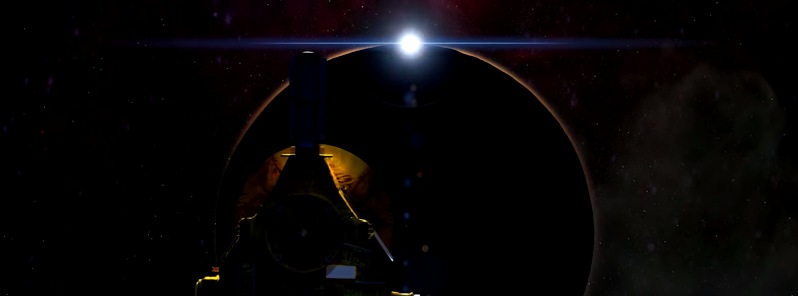
    Having found no potential threats on the way, NASA's New Horizons spacecraft stays course to Pluto, as it speeds closer to it's historic July 14, 2015 flyby of Pluto and it's five moons. Launched from Cape Canaveral on January 19, 2006, New Horizons woke up

  • Venus – volcanically active Solar System body?

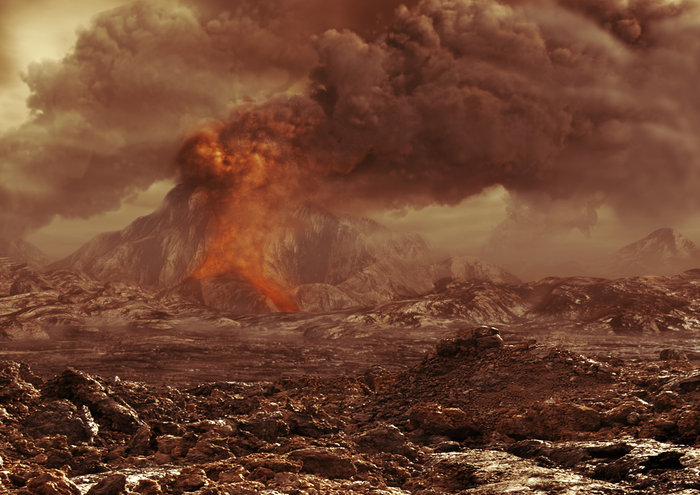
    Scientists working for the ESA's Venus Express mission have recently presented the best evidence yet for existence of active volcanoes on planet Venus. Previous radar missions have revealed Venus to be covered in volcanoes and lava flows and it is long assumed that