• Mars’ moon Phobos is slowly disintegrating

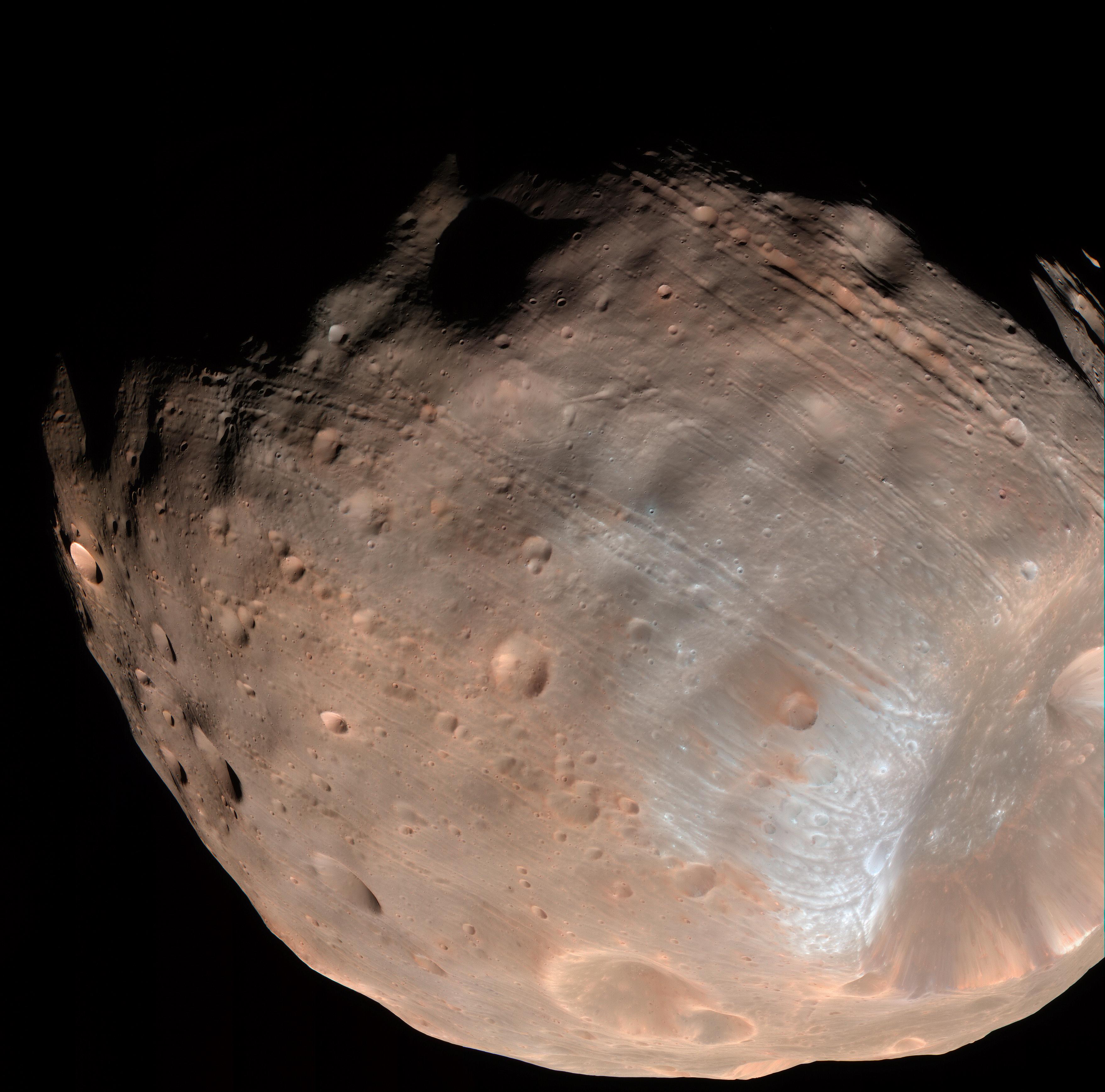
    The long shallow grooves on Phobos are likely early signs of structural damage. Scientists now believe that Phobos is not solid but instead is a pile of rubble covered by a thick layer of dust which makes it look solid. Scientists expect the moon to be pulled apart…

  • New Earth-like exoplanet discovered, only 39 light years away

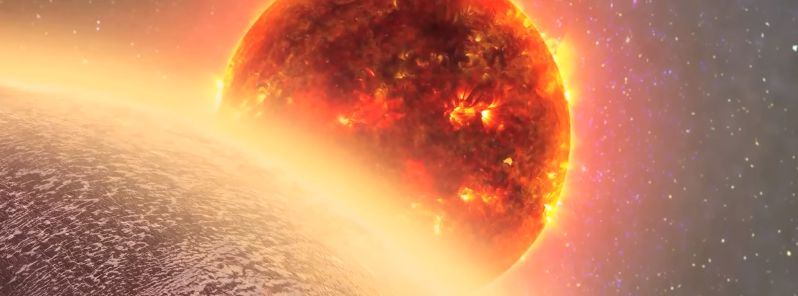
    Scientists have discovered a new exoplanet in our stellar neighborhood, only 39 light years from Earth, Massachusetts Institute of Technology announced on November 11, 2015. The planet shows no signs of being capable of hosting any life, however it is the closest…

  • Astronomers discover the farthest planetoid in the Solar System

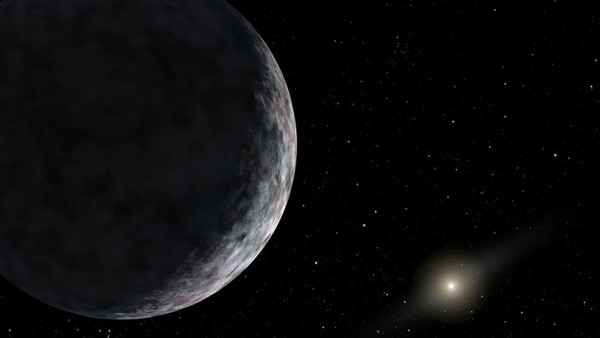
    Astronomers have spotted a dwarf planet which is three times farther away than Pluto. This makes it the farthest object discovered in the Solar System. Once its orbit is ascertained, planetoid V774104 may teach researchers a lot about the early Solar System. The…

  • New Horizons recent Pluto flyby yields numerous exciting discoveries

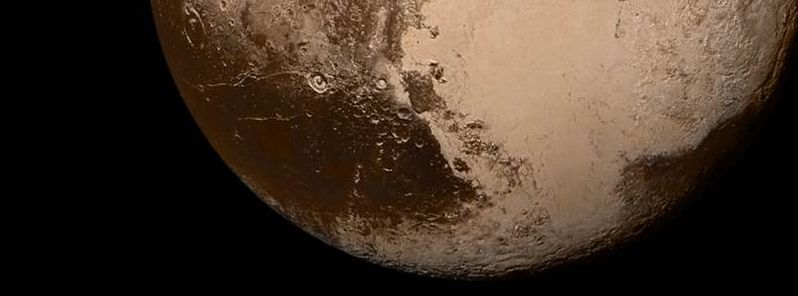
    NASA's New Horizons science team gathered on the 47th Annual Meeting of the American Astronomical Society's Division for Planetary Sciences in National Harbor, Maryland, taking place from November 8 to 13, 2015, to discuss numerous exciting discoveries that…

  • First raw image from Enceladus’ October 28 flyby now available

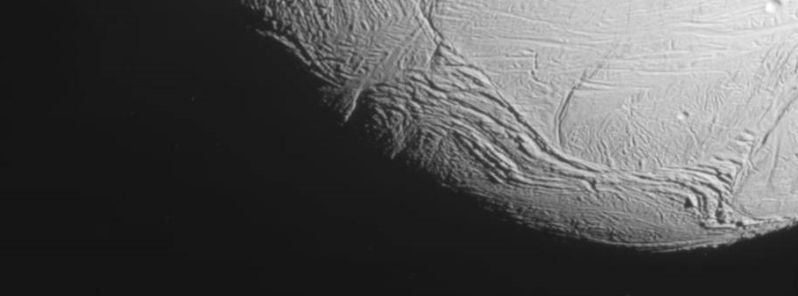
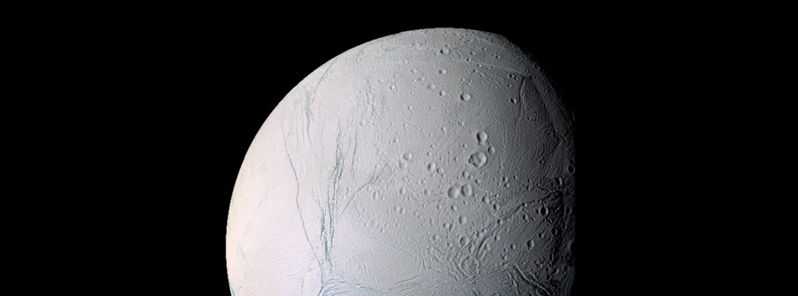
    First image of Saturn's moon Enceladus has been received from the Cassini spacecraft, NASA reported on October 30, 2015. NASA's Cassini spacecraft was scheduled to perform its deepest-ever dive through the icy plume of Saturn's moon Enceladus on October…

  • ESA’s JUICE set to explore Jupiter’s mysterious moons

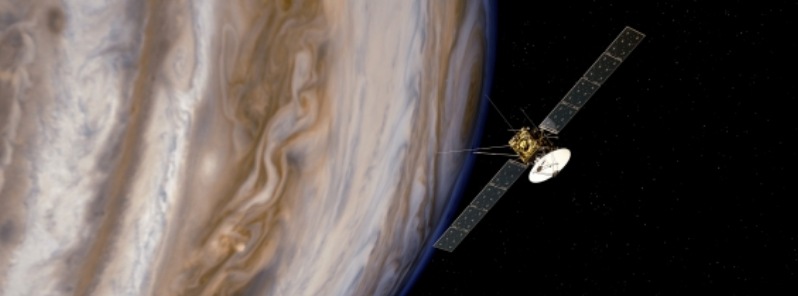
    ​Astronomers have always been fascinated by the gas giant Jupiter. A planet over 1000 times the size of Earth with 63 natural moons, 4 of whom are nearly as big as planets themselves, Jupiter and its moons are considered to be a mini solar system and are popularly…

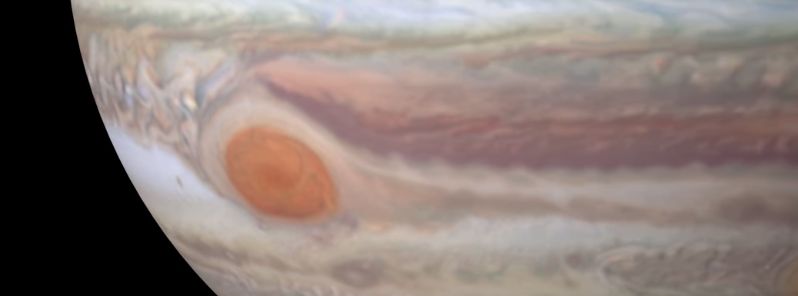
  • New maps of Jupiter reveal the Great Red Spot continues to shrink

    NASA's scientists have produced new maps of Jupiter from images collected by the Hubble Space Telescope. Newly composed maps are the first in a series of yearly images of the Solar System's outer planets, designed to keep track of how these giant worlds…