The Weekly Volcanic Activity Report: May 7-13, 2026
New activity/unrest was reported for 5 volcanoes from May 7 to 13, 2026. During the same period, ongoing activity was reported for 17 volcanoes.


New activity/unrest was reported for 5 volcanoes from May 7 to 13, 2026. During the same period, ongoing activity was reported for 17 volcanoes.
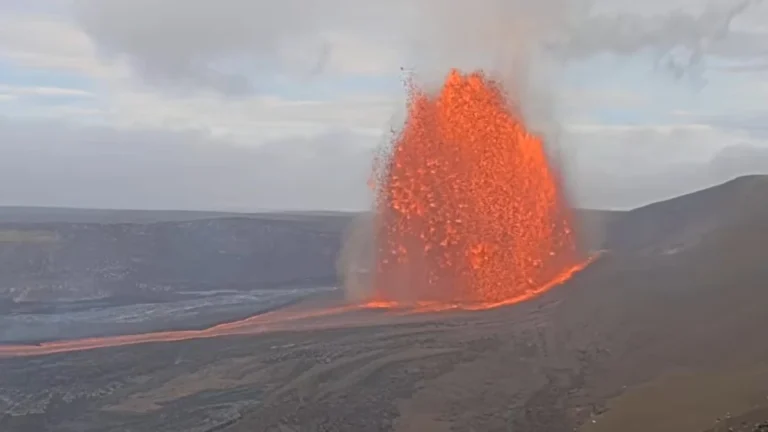
Episode 47 of the ongoing Halemaʻumaʻu eruption at the summit of Kīlauea ended at 00:27 HST (10:27 UTC) on May 15, 2026, after 9 hours of continuous lava fountaining from the north vent. The U.S. Geological Survey’s Hawaiian Volcano Observatory (HVO) said the eruption is paused and lowered Kīlauea to Volcano Alert Level Advisory and Aviation Color Code Yellow.
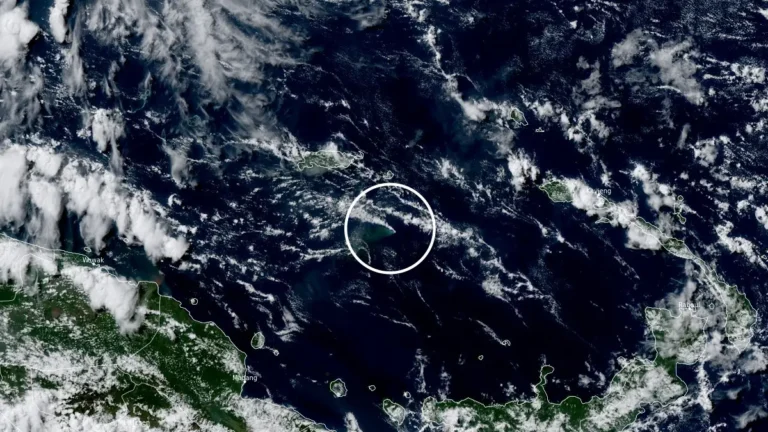
Darwin VAAC is reporting a rare volcanic ash emission from a submarine volcano in the Bismarck Sea Volcanic Province, Papua New Guinea, since Monday, May 11, 2026. By Wednesday, May 13, ash was rising to about 4 km (13 000 feet) above sea level, while satellite imagery showed water discoloration near the advisory area. Meteorological cloud partly obscured the ash in the latest imagery, but Himawari-9 observations and model guidance continued to support the advisory.
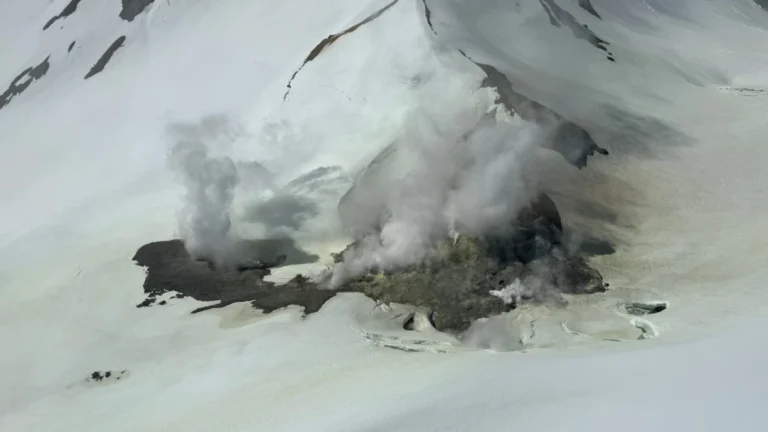
The Alaska Volcano Observatory (AVO) raised Mount Kupreanof to Aviation Color Code Yellow and Volcano Alert Level Advisory at 17:01 UTC on May 12, 2026, after seismic activity and sulfur dioxide emissions increased over recent months at the Alaska Peninsula volcano.
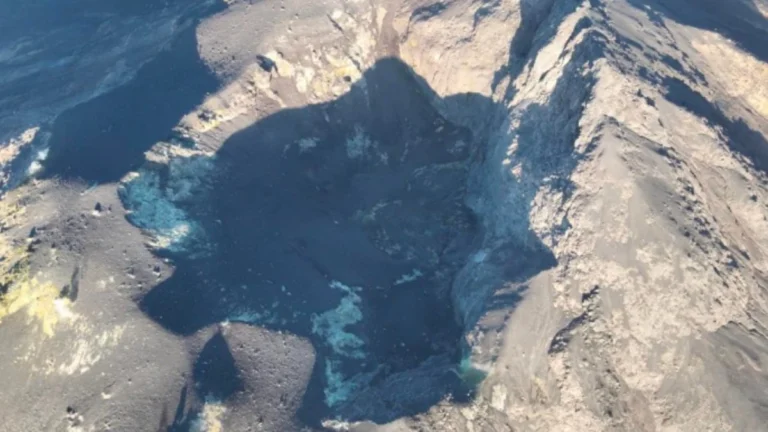
Indonesia’s Center for Volcanology and Geological Hazard Mitigation (PVMBG) raised the alert level for Lewotobi Laki-laki in East Flores, East Nusa Tenggara, from Level II to Level III at 13:00 WITA (05:00 UTC) on May 12, 2026. The decision followed increased deep volcanic earthquakes, persistent non-harmonic tremor, inflation, and surface activity from May 1 to 11. Residents and tourists were told to avoid activity within a 5 km (3.1 miles) radius of the eruption center.

Indonesia’s North Halmahera government permanently closed climbing access to Mount Dukono after 3 climbers were found dead following the May 8, 2026, eruption on Halmahera Island, North Maluku. BNPB said the area had already been under a total climbing closure since April 17, before the closure was reinforced through a May 8 Regent decision barring operators, managers, and climbing-service providers from issuing permits.
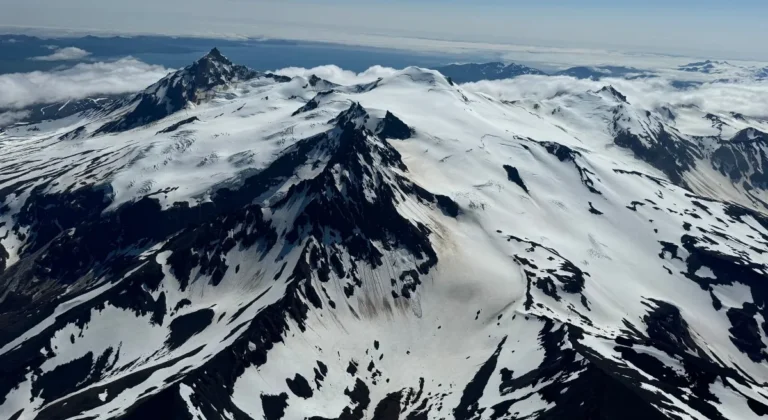
Seismic activity and sulfur dioxide emissions have increased at Kupreanof volcano in Alaska over recent months, likely due to magmatic intrusion beneath the volcano. Kupreanof is a heavily glaciated stratovolcano on the Alaska Peninsula with no known historical eruptions. Current data do not indicate an eruption is imminent.
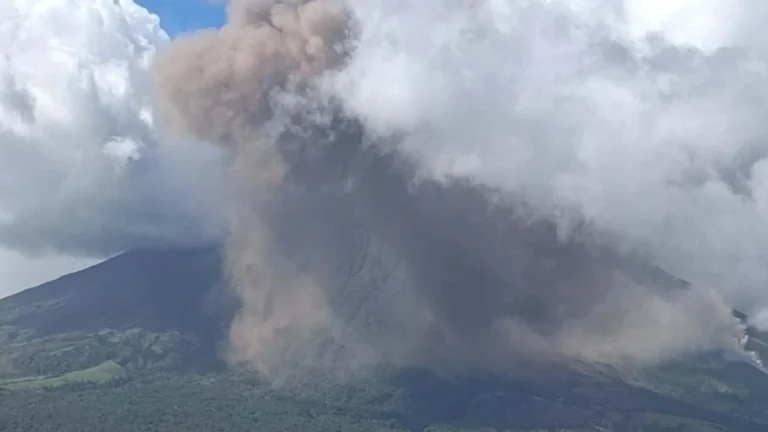
Mayon volcano remained under Alert Level 3 on Friday, May 8, 2026, with PHIVOLCS reporting lava flows in three gullies, elevated sulfur dioxide emissions, volcanic earthquakes, and repeated lava-collapse pyroclastic flow activity. Today’s observations follow a large eruption sequence on May 2, when collapse-generated pyroclastic flows traveled up to 5 km (3.1 miles), generating widespread ashfall across parts of Albay Province and prompting evacuations affecting thousands of residents.
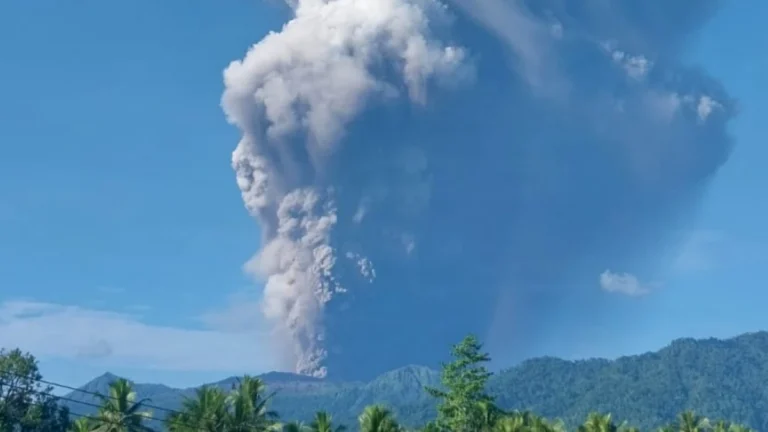
Local police said three hikers died after Dukono volcano erupted on Halmahera Island, North Maluku, Indonesia, at 07:41 WIT (22:41 UTC on May 7) on May 8, 2026, sending volcanic ash about 10 km (6.2 miles) above the summit. Rescue teams evacuated 17 hikers while the search for three others continued.
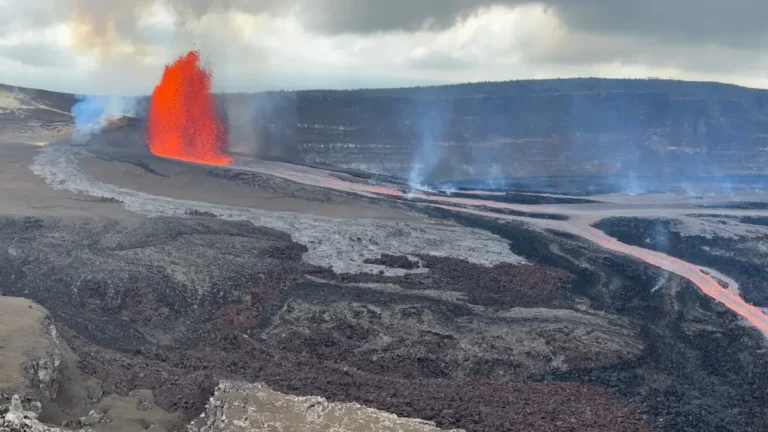
Episode 46 of the ongoing Halemaʻumaʻu eruption at Kīlauea ended at 17:22 HST on May 5, 2026 (03:22 UTC on May 6), after about 9 hours of continuous lava fountaining from the north vent at the summit. USGS lowered the Volcano Alert Level from Watch to Advisory and the Aviation Color Code from Orange to Yellow after ground and aviation hazards decreased.
