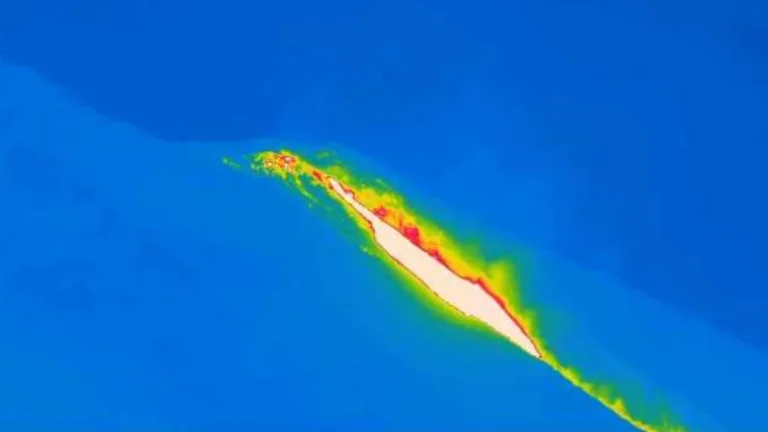
• Lava flow from Stromboli’s North crater reaches coastline, Italy

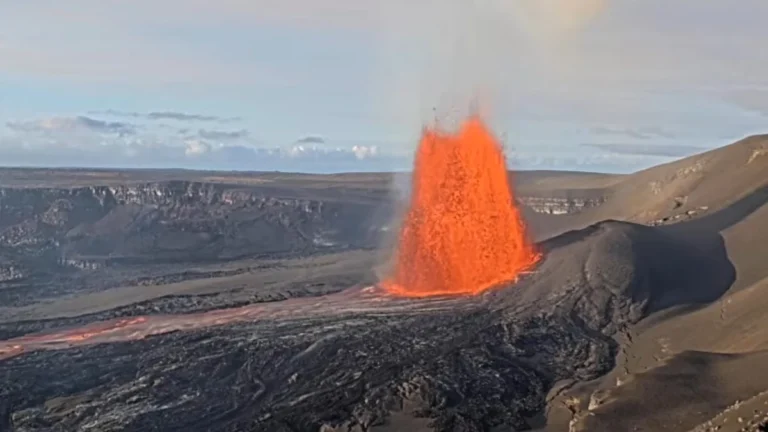
    Lava overflow activity increased at Stromboli from 21:20 LT (19:20 UTC) on May 4, 2026, sending a flow from the North crater area down the Sciara del Fuoco to the coastline by about 03:00 LT (01:00 UTC) on May 5. INGV reported average volcanic tremor, a slight increase in explosion-related earthquakes, and no significant GNSS change.
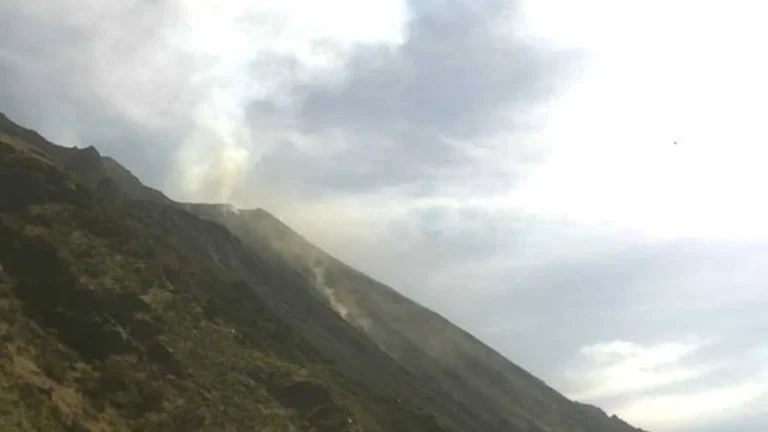
  • Intense spattering feeds lava overflow at Stromboli, Italy

    Stromboli’s North Crater area is producing intense spattering on May 4, 2026, feeding a lava overflow onto the Sciara del Fuoco, INGV-OE reported at 11:21 UTC. The lava front was in the middle-upper section of the slope, while volcanic tremor was in the high range.

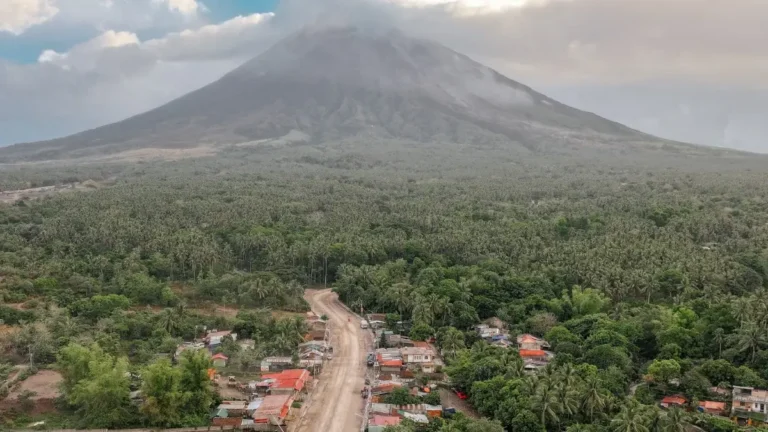
  • Strong eruption at Mayon volcano generates large pyroclastic flows, heavy ashfall in Albay, Philippines

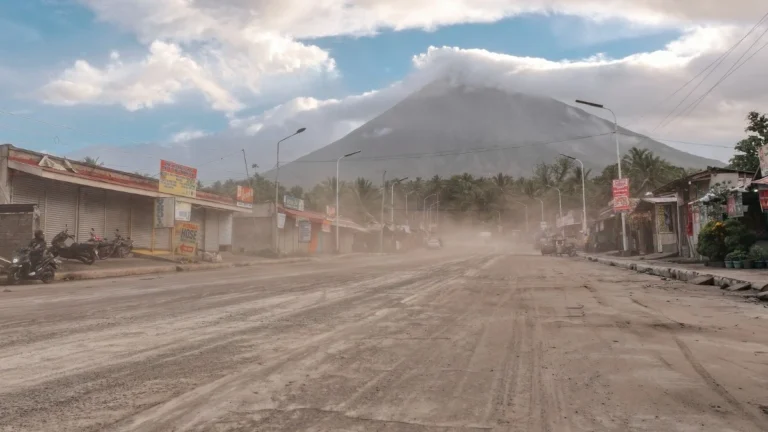
    Pyroclastic density currents generated by a lava collapse at Mayon volcano in Albay, Philippines, on May 2, 2026, reached an estimated runout distance of 4 km (2.5 miles) along Mi-isi Gully and produced ashfall affecting 52 barangays across Guinobatan, Camalig, and Ligao City. Ashfall reduced visibility to near zero in parts of Camalig, blanketed homes, roads, crops, and grazing land, and prompted face mask distribution and health advisories.

  • Magma accumulation exceeds 25 million m³ beneath Svartsengi, Iceland

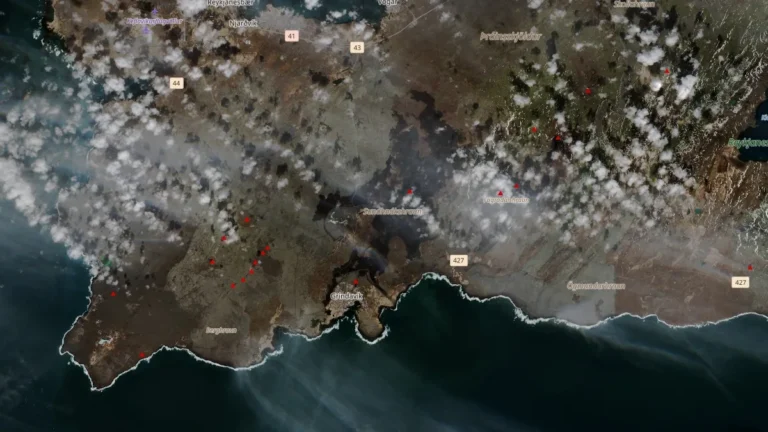
    More than 25 million m³ (883 million ft³) of magma has accumulated beneath Svartsengi, Iceland, since the last eruption in July 2025, the Icelandic Meteorological Office (IMO) reported on April 28, 2026. IMO said ground uplift continues at up to 2 cm (0.8 inches) per month, while magmatic dike propagation toward the Sundhnúkur crater row remains the most likely scenario and could lead to an eruption.

  • Pico volcano system raised to V1 alert after increased seismicity in Faial–Pico channel, Portugal

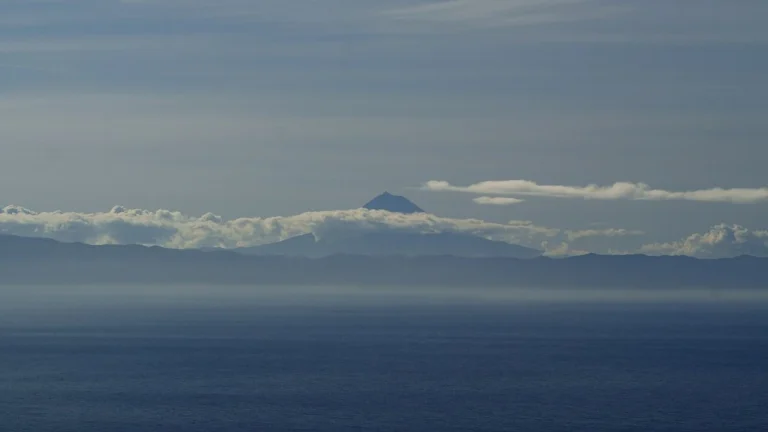
    Authorities raised the volcanic alert level to V1 in the Faial–Pico channel, Azores, Portugal, on April 9, 2026, following low-magnitude seismic activity that began on April 1. The earthquakes occurred along a NE–SW trend west of Madalena to north of Lagido, spanning depths from 20 km (12 miles) to near the surface. The last known eruption at this volcano took place in 1720, with a Volcanic Explosivity Index (VEI) of 2.