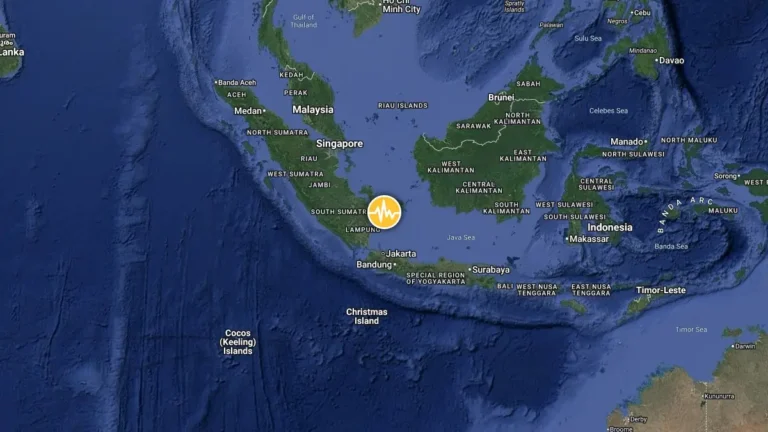
• Strong M6.6 earthquake hits Java, Indonesia

    A strong earthquake registered by the USGS as M6.6 hit Java, Indonesia at 21:23 UTC on September 11, 2026 (04:23 LT on September 12). The agency is reporting a depth of 358 km (223 miles). EMSC is reporting the same magnitude and depth.
  • Landslide blocks Hongu Khola River in Solukhumbu, raises downstream flood risk, Nepal

    A landslide blocked the Hongu Khola River near Gudel in Mahakulung Rural Municipality, Solukhumbu District, Nepal, on September 11, 2026, forming a temporary impoundment and prompting warnings for downstream communities. Water later began flowing over the debris barrier, reducing the immediate danger, but district police said the risk of a sudden release had not completely passed.

  • Two tornadoes confirmed in Paraná, extratropical cyclone forecast to form near southern Brazil

    Two tornadoes were confirmed in Paraná between September 9 and 10, 2026, as severe weather affected southern Brazil, while three people were killed when a landslide struck a home during heavy rain in Ponta Grossa. The National Institute of Meteorology (INMET) warned of another period of intense instability on September 11, with an extratropical cyclone forecast to form Friday night between northeastern Rio Grande do Sul and the Atlantic Ocean.

  • Severe storms leave 2 dead, trigger flooding and evacuations across Italy, Slovenia and Croatia

    Severe storms and torrential rainfall struck parts of Italy, Slovenia and Croatia on September 9 and 10, 2026, causing flooding, evacuations, transport disruption and localized infrastructure damage. Two women died in Italy during the event, one after becoming trapped in a flooded underpass at Latisana and another after being struck by broken window glass at Sinalunga.

  • NOAA raises chance of historic-strength El Niño to 75% for October–December 2026

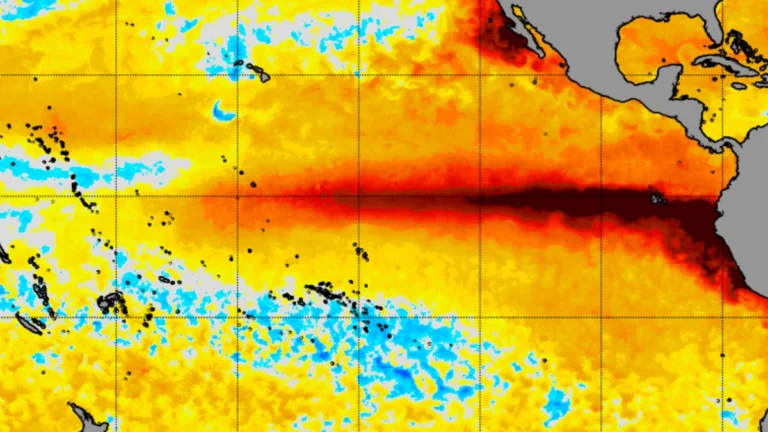
    The Climate Prediction Center (CPC) raised the probability of a historic-strength El Niño during October–December 2026 to 75% on September 10, up from 69% in August, after the coupled ocean-atmosphere event strengthened further across the tropical Pacific. CPC also raised the probability of a very strong event during the same three-month period from 95% to 98%.

  • Copernicus: August 2026 sets ERA5 temperature record as extra-polar SSTs hit record highs

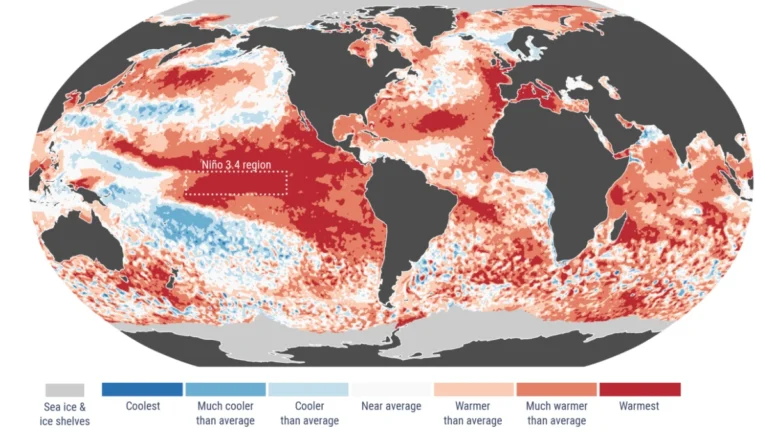
    Global surface air temperature averaged 16.96°C (62.53°F) in August 2026, making it the warmest August in ERA5, the Copernicus Climate Change Service (C3S) reported on September 10. Extra-polar sea surface temperature (SST) averaged 21.07°C (69.93°F), the dataset’s highest August value, while daily SST reached an ERA5 record of 21.11°C (70.00°F) on August 24 and 25.

  • Red Flag Warnings in effect across five states as critical fire-weather conditions develop

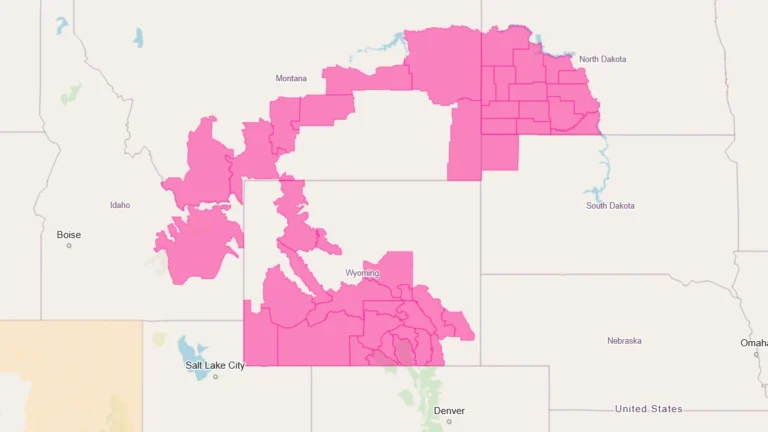
    The National Weather Service (NWS) has Red Flag Warnings in effect across parts of Montana, Wyoming, North Dakota, Idaho and South Dakota on September 10, 2026, as very low relative humidity, dry vegetation and gusty winds produce critical fire-weather conditions across the northern Rockies and northern Plains. Minimum relative humidity may fall as low as 5% in southeastern Wyoming, while wind gusts may reach approximately 65 km/h (40 mph) in parts of Wyoming and Montana.

  • Advisories issued as dangerous heat persists from Texas to lower Mississippi Valley

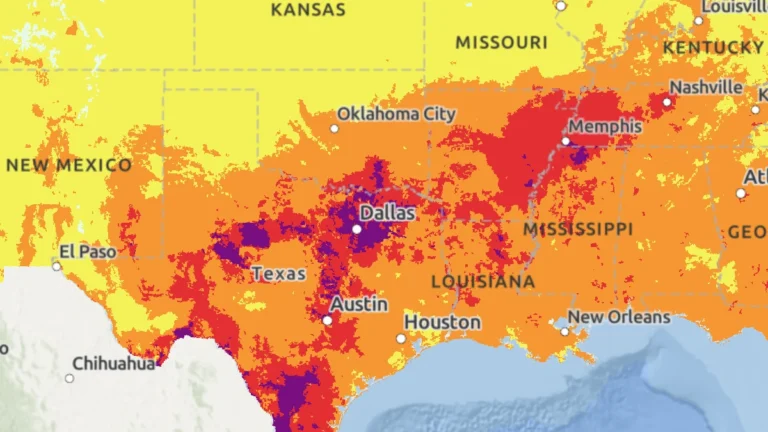
    The National Weather Service (NWS) issued Heat Advisories for parts of Arkansas, northern Mississippi and western Tennessee from 11:00 to 20:00 CDT on September 10, 2026 (16:00 UTC on September 10 to 01:00 UTC on September 11). Heat-index values could reach approximately 43°C (109°F) in central, eastern and southeastern Arkansas and 42°C (107°F) elsewhere in the Mid-South. Farther west, temperatures near 38°C (100°F) are forecast in parts of North Texas as dangerous late-summer heat persists across the southern United States.

  • Mount Mizhirgi avalanche death toll rises to 14, 3 climbers remain missing, Russia

    The death toll from the September 6 avalanche on Mount Mizhirgi in Russia’s Kabardino-Balkaria has risen to 14, while three climbers remain missing. Russia’s Ministry of Emergency Situations (MChS) suspended search-and-rescue operations at 15:50 MSK (12:50 UTC) on September 9 after another snow-and-ice mass descended in the Bezengi Gorge. The agency said 63 personnel were at the site and that a Mi-8 helicopter was expected to be deployed after daylight on September 10.