• Severe Heatwave Warning over much of Queensland, Australia

    A Severe Heatwave Warning remains in effect across much of Queensland on November 9, 2024, with heat impacting northern, central, and southeast regions, and expected to contract toward the northwest over the coming days. High humidity will intensify the heat in coastal areas, with the warning in place through Tuesday, November 12.

  • Record-breaking temperatures in the West, heavy rains with flash flooding along the Gulf Coast, U.S.

    A dangerous heatwave is set to intensify across the Southwest and Western Coast of the United States starting September 5, 2024, with forecasts predicting temperatures soaring as high as 48.9 °C (115 °F) in some areas. The National Weather Service (NWS) has issued multiple warnings for heat-related illnesses as record-breaking highs are expected in the Pacific Northwest.

  • Phoenix sets new heat record with above 37.8 °C (100 °F) for 100 days, Arizona

    On September 3, 2024, Phoenix shattered its previous heat record after enduring 100 consecutive days of temperatures above 37.8 °C (100 °F). The relentless heat, which began on May 27, continues to wreak havoc across the region, contributing to a surge in heat-related deaths and posing significant risks to vulnerable populations.

  • Rex block shatters multiple records in Canada

    Canada experienced a week of extraordinary weather, breaking multiple records for heat and rainfall across the country. A unique atmospheric pattern, known as a Rex block, caused temperatures to soar in the Arctic Circle, while remnants of Hurricane “Debby” brought torrential rains to Eastern Canada.

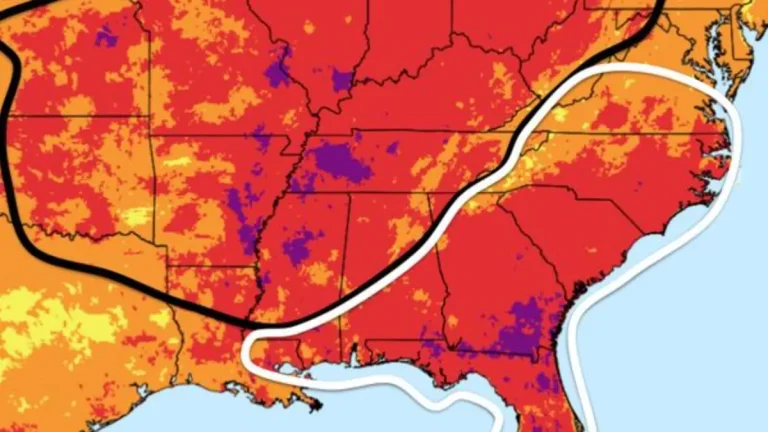
  • Hazardous heat indices expected to exceed 43.3 °C (110 °F) from Plains to Southeast, dangerous heat building in the West

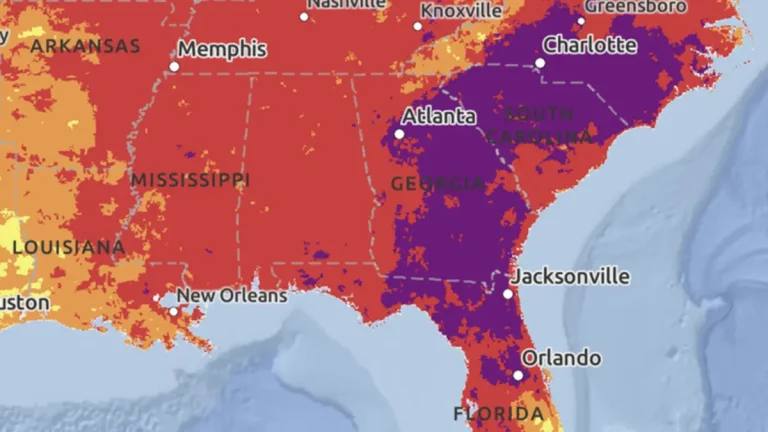
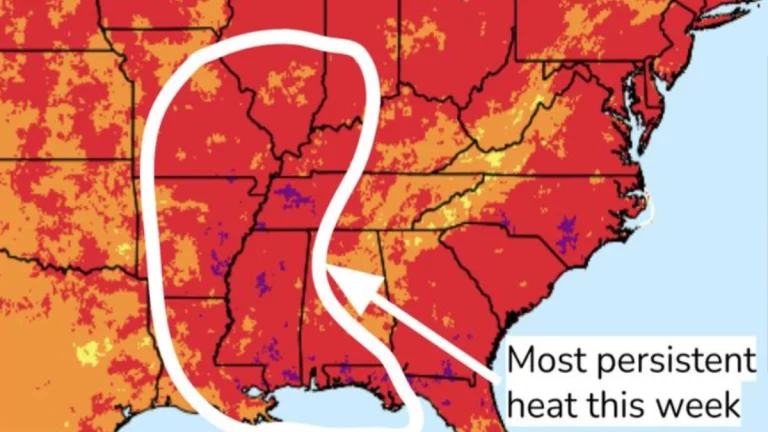
    The National Weather Service has forecasted hazardous heat spreading from the Plains through the Mississippi Valley to the Southeast starting this week and continuing into the next. High temperatures combined with high humidity are expected to produce dangerously high heat indices, potentially exceeding 43.3 °C (110 °F).