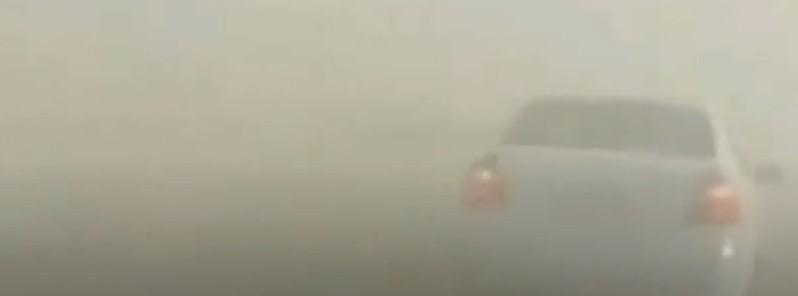
• High concentrations of Saharan dust affect Puerto Rico and U.S. Virgin Islands, moving west toward Florida and Texas

    High concentrations of Saharan dust are affecting Puerto Rico and the U.S. Virgin Islands on June 26, 2026, reducing visibility and air quality as the Saharan Air Layer (SAL) moves west. Drier Saharan air is forecast to reach South Florida from late Saturday, June 27, followed by a dust plume over Southeast Texas late Sunday, June 28, where hazy skies and reduced air quality are possible.
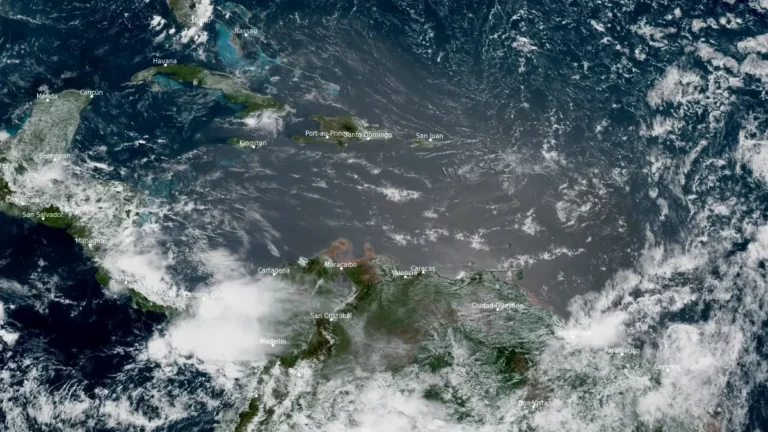
  • Saharan dust plume to reach Florida by weekend, Texas by next week

    A plume of Saharan dust stretching from the coast of Africa to the northwestern Caribbean and into the Gulf of Mexico is forecast to reach Florida by Saturday, May 31, 2025. Southern and central parts of the state are expected to experience hazy skies and reduced air quality over the weekend. A denser plume could arrive by mid-next week, with the dust reaching Texas by Tuesday, June 3.

  • Massive Saharan dust plume reaches Florida, U.S.

    A massive Saharan dust plume reached South Florida on July 20, 2024, causing reduced air quality and hazy skies. Rain is also forecasted for the weekend, and the mix of dust and precipitation is expected to bring dirty rains to Florida.

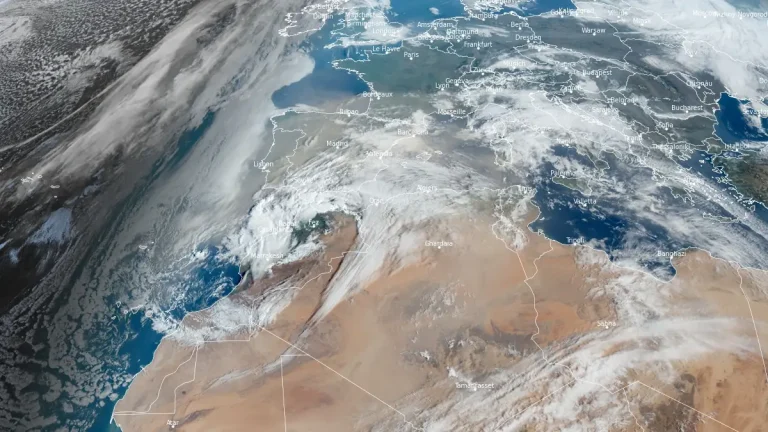
  • Massive Saharan dust plume making its way over the Atlantic

    The largest outbreak of Saharan dust this summer is currently making its way across the Atlantic Ocean, potentially impacting air quality and weather patterns throughout the Caribbean and parts of the United States. This marks a significant shift in the season’s weather patterns, influenced by the Saharan Air Layer (SAL), which is known for its ability to suppress tropical cyclone formation.

  • The worst dust storm in Uzbekistan’s recorded history

    A severe dust storm that started in southern Kazakhstan hit parts of Uzbekistan on the evening of November 4, 2021, growing under favorable weather conditions into the worst since the country started keeping meteorological records in 1871. The worst affected were…