I'm a dedicated researcher, journalist, and editor at The Watchers. With over 20 years of experience in the media industry, I specialize in hard science news, focusing on extreme weather, seismic and volcanic activity, space weather, and astronomy, including near-Earth objects and planetary defense strategies. You can reach me at teo /at/ watchers.news.

  • Strong and shallow M6.1 earthquake hits Tonga

    A strong and shallow earthquake registered by the USGS as M6.1 hit Tonga at 17:34 UTC on April 19, 2026. The agency is reporting a depth of 36 km (22.4 miles). EMSC is reporting the same magnitude and depth.

  • North Atlantic circulation shows signs of weakening, studies point to major decline by 2100

    A pair of studies published in April 2026 in Science Advances report a consistent decline in observed western-boundary overturning transport across the North Atlantic and suggest that future weakening of the Atlantic Meridional Overturning Circulation (AMOC) could be stronger than standard climate model estimates.

  • EF-3 tornado confirmed near Cream, Wisconsin during April 17, 2026 outbreak; NWS La Crosse issues record 26 warnings

    A tornado outbreak struck the Upper Midwest on April 17, 2026, producing multiple EF-2 and EF-3 tornadoes across southeast Minnesota and western Wisconsin, damaging more than 100 homes and injuring at least two people. The strongest tornado, rated EF-3, caused severe structural damage along its path, while the National Weather Service La Crosse office issued a record 26 tornado warnings during the event.

  • Leak surge and pipe failures detected following earthquakes in San Ramon Valley, California

    A cluster of underground pipe failures has been detected in San Ramon and surrounding East Bay communities, California, following a sequence of earthquake swarms active in the area since 2025. The incidents include fractured water and sewer lines, often identified only after prolonged leakage periods and abnormal water usage. Experts consider ground movement associated with recent seismic activity as a possible contributing factor, although causation has not been confirmed.

  • Tornadoes damage homes and infrastructure across multiple Midwest states on April 17

    A severe weather outbreak produced multiple tornadoes across the Midwestern United States on April 17, 2026, resulting in structural damage to residential buildings and infrastructure in several states. Preliminary National Weather Service data indicates more than 20 tornado reports, with impacts concentrated in Wisconsin, Illinois, and Minnesota and extending into Missouri, and at least one reported injury.

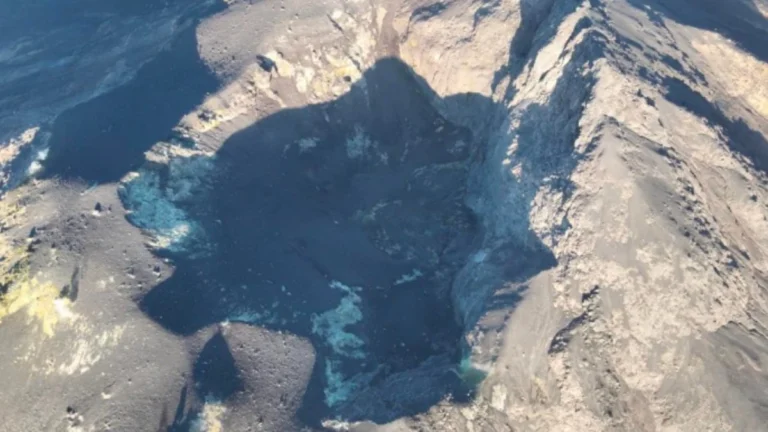
  • Pico volcano system raised to V1 alert after increased seismicity in Faial–Pico channel, Portugal

    Authorities raised the volcanic alert level to V1 in the Faial–Pico channel, Azores, Portugal, on April 9, 2026, following low-magnitude seismic activity that began on April 1. The earthquakes occurred along a NE–SW trend west of Madalena to north of Lagido, spanning depths from 20 km (12 miles) to near the surface. The last known eruption at this volcano took place in 1720, with a Volcanic Explosivity Index (VEI) of 2.

  • Tornado Watch issued for parts of Iowa, Illinois, Minnesota, Missouri and Wisconsin

    The Storm Prediction Center issued a Tornado Watch for a multi-state region of the Upper Midwest at 17:40 UTC (12:40 CDT) on April 17, 2026, citing a highly unstable environment ahead of an advancing cold front. Severe storms are expected to develop through the afternoon and evening, with tornadoes, large hail, and strong wind gusts as primary hazards.

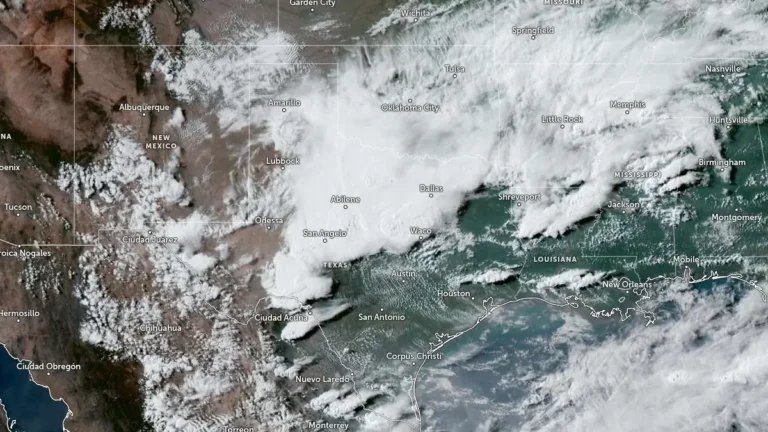
  • Strong tornadoes, large hail and damaging winds expected from Plains to Great Lakes on April 17

    A multi-phase severe weather event is expected to impact the central United States on April 17, 2026, from northern Oklahoma to Wisconsin, with an Enhanced Risk of severe storms in place. Initial supercells may produce strong tornadoes and large hail before transitioning into an organized system capable of widespread damaging winds and localized flash flooding.