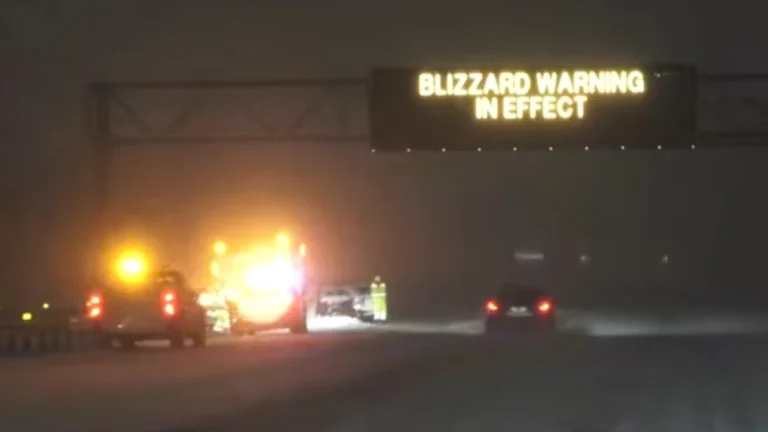
• Extreme winter storm impacts expected in Sierra Nevada as Pacific storms bring up to 2.4 m (8 feet) of snow through February 18

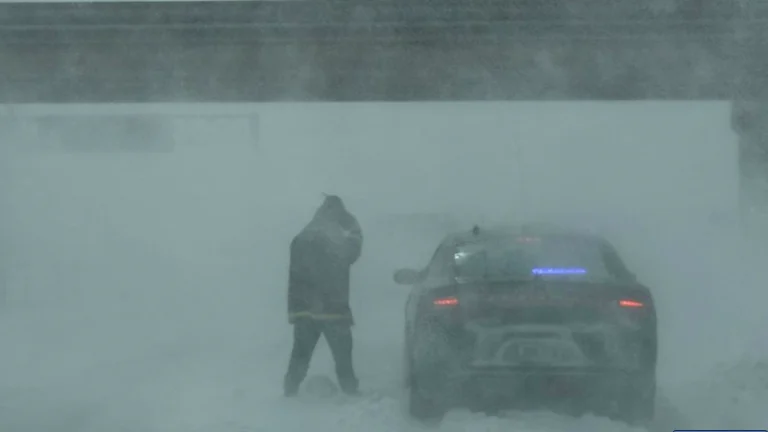
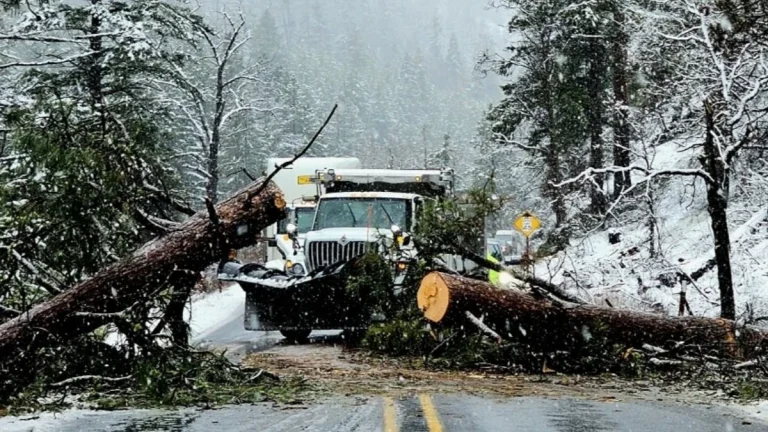
    Multiple storms are forecast to bring heavy snowfall to California through February 18, 2026, with snowfall rates exceeding 76 mm (3 inches) per hour in parts of the Sierra Nevada. Extreme impacts are possible across higher elevations, with travel conditions dangerous to impossible, and 1.2–2.4 m (4–8 feet) of snow forecast above pass level.

  • Potomac Interceptor collapse among largest municipal wastewater spills in U.S. history

    A section of the Potomac Interceptor sewer line failed on January 19, 2026, in Montgomery County, Maryland, releasing more than 920 million liters (243 million gallons) of untreated wastewater into the Potomac River. By volume, the incident ranks among the largest documented municipal wastewater spills in U.S. history. Elevated bacterial concentrations prompted recreational advisories and shellfish closures while emergency bypass operations continued into mid-February.

  • At least 9 tornadoes reported across Texas, Louisiana and Mississippi, five confirmed EF-1

    Multiple tornadoes touched down across parts of the Southern Plains and the Southeast overnight on February 14, 2026. These include at least five EF-1 tornadoes that have been confirmed in Mississippi and Texas, along with others reported in Louisiana. The twisters were the result of a storm system that brought significant rainfall, localized flash floods, and widespread wind damage to the region over the Valentine’s weekend.

  • Evacuation Warnings issued for Palisades and Eaton burn scars ahead of high-impact winter storm in California

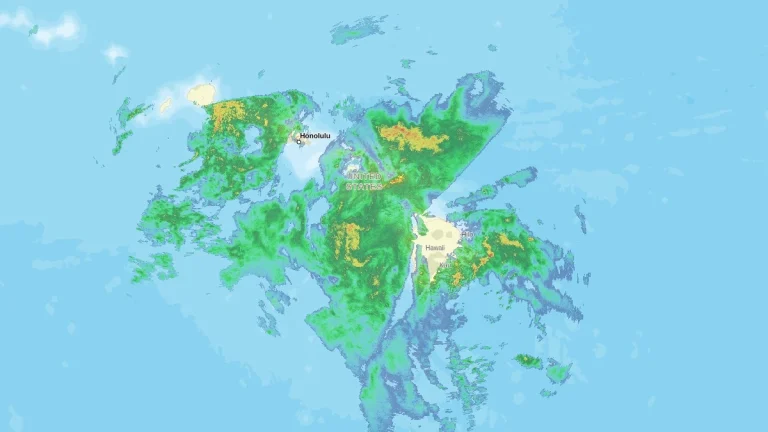
    Evacuation Warnings were issued for residents living near the Palisades and Eaton burn scar areas in Los Angeles County, California, effective from 21:00 LT (05:00 UTC) on Sunday, February 15, through 09:00 LT (17:00 UTC) on Tuesday, February 17, 2026, ahead of a winter storm forecast to bring heavy rainfall. Officials warned that debris flows and mudflows could damage property and pose life-threatening risks in recently burned areas. Winter storm warnings were also issued across parts of California and Nevada for heavy mountain snowfall and strong winds.

  • Heavy rainfall and severe storms forecast from Texas to the Carolinas this Valentine’s weekend

    A storm moving from the Southern Plains into the Southeast will generate widespread showers, locally heavy rainfall, and severe thunderstorms across the southern and eastern United States through February 16, 2026. Slight Risk areas for Severe Thunderstorms and Excessive Rainfall extend from east Texas into the lower Mississippi Valley, with additional Marginal Risk areas across the Southeast and Mid-Atlantic.

  • Florida enters worst drought in 25 years as extreme conditions expand

    Florida has entered its worst drought in 25 years, with 100.00% of the state classified in drought categories D0–D4, according to the U.S. Drought Monitor. Severe to extreme drought now covers 85.46% of the state, marking the most extensive spatial coverage since the 2000–2001 drought event.

  • Pair of mid-level troughs forecast to bring widespread precipitation to California

    Two mid-level troughs with associated surface lows are forecast to bring widespread precipitation to California between February 14 and 19, 2025. The first system is forecast to begin affecting the state on February 14–15, followed by a second trough deepening offshore from February 16–17. Snowfall totals over the Sierra Nevada could exceed 60 cm (24 inches), while rainfall totals of 25–50 mm (1–2 inches) are forecast across much of the state during the initial 72-hour period.

  • Bright fireball recorded over Indiana–Ohio border region

    A bright fireball was observed over the Indiana–Ohio border region at 04:31 UTC on February 11, 2026 (23:32 local time on February 10), generating more than 120 eyewitness reports across five U.S. states. The meteor was first detected at an altitude of 76 km (47 miles) near Trinity, Indiana, and disintegrated at 43 km (27 miles) above Laura, Ohio. The object traveled approximately 77 km (48 miles) through the atmosphere at a speed of 13 km/s (29 000 mph).

  • New York City confirms 18 deaths during prolonged Arctic cold

    Eighteen cold-related deaths were confirmed in New York City as of February 11, 2026, following a prolonged stretch of Arctic air that gripped the city from mid-January through early February. The fatalities occurred during a 9-day period of subfreezing temperatures that ended February 2, with wind chills falling below −25°C (−13°F) on multiple mornings. Most of the victims were found outdoors, according to city officials.