• Flood Watch issued across Hawaii as kona low system brings risk of heavy rain and flood

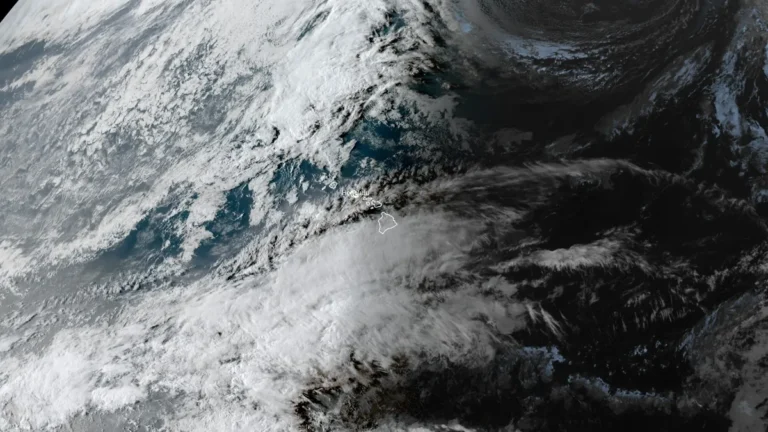
    The National Weather Service has issued a Flood Watch for all Hawaiian islands as a developing low-pressure system, described as a kona low, brings increasing moisture and instability to the region from Wednesday, April 8, through Friday, April 10, 2026. Excessive rainfall may lead to flash flooding, runoff impacts, and landslides across all major islands.
  • Flooding impacts northern Indiana, southern Michigan and northwest Ohio after heavy rainfall

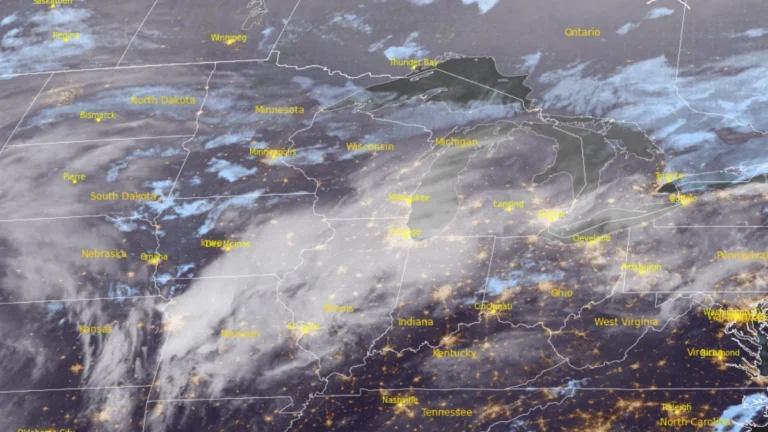
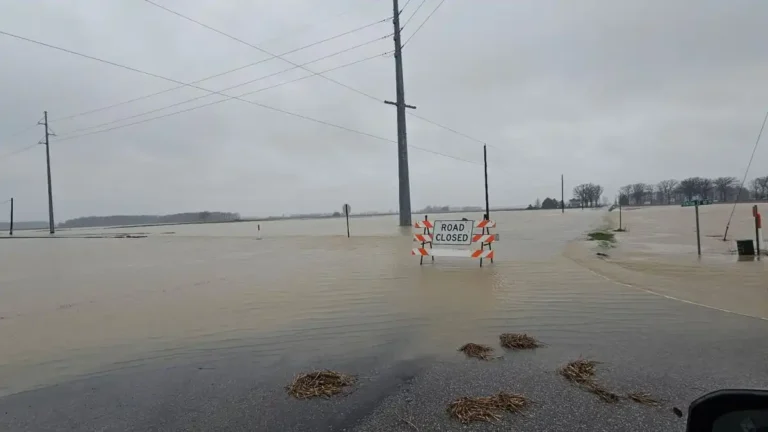
    Flooding developed across northern Indiana, southern Michigan, and northwest Ohio between March 31 and April 5, 2026, following multiple rounds of heavy rainfall totaling over 100 mm (4 inches) in many locations. Rivers including the St. Joseph, Maumee, and Tippecanoe rose rapidly to moderate flood stage, with some locations experiencing sharp rises within hours. Flooding impacted parks, infrastructure, and transportation, with additional storm damage reported in parts of Ohio.

  • Heavy ice, sleet, and snow forecast across Upper Midwest and Great Lakes, multiple warnings and advisories issued

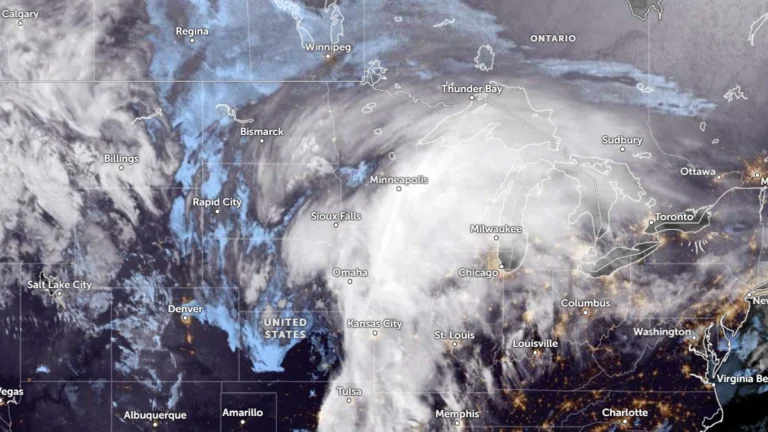
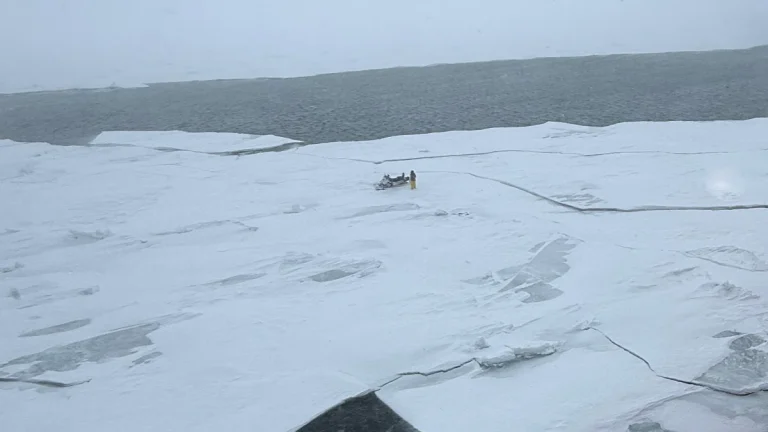
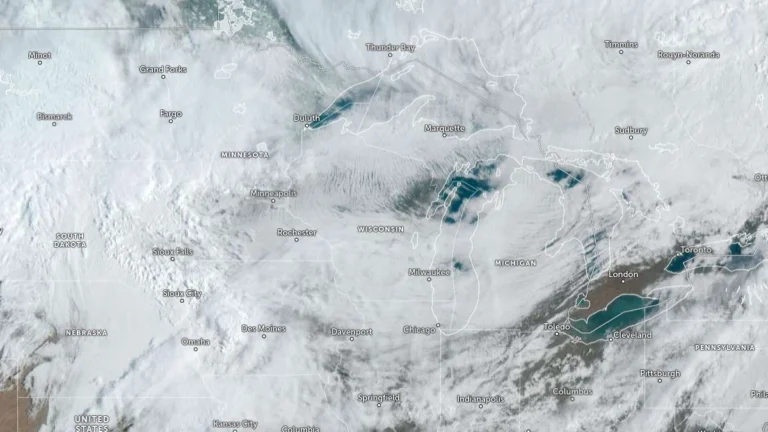
    A late-season winter storm is forecast to impact the Upper Midwest and Great Lakes region from late April 1 through April 3, 2026, bringing widespread freezing rain, sleet, and snow across multiple states. Ice Storm Warnings, Winter Storm Warnings, Winter Weather Advisories, and Winter Storm Watches are in effect, with ice accumulations up to 10 mm (0.4 inches) and snowfall exceeding 45 cm (18 inches) in some areas, creating hazardous travel conditions and potential power outages.

  • Late-season winter storm forecast to bring ice, snow, and severe weather to Upper Midwest and Great Lakes

    A late-season winter storm combined with severe convective activity will affect the Upper Midwest and Great Lakes from April 1–3, 2026, producing heavy snow, sleet, freezing rain, and thunderstorms. The system is expected to generate hazardous ice accumulation and support severe storms capable of damaging winds, hail, and tornadoes.

  • Cedar Canyon Fire burns 251 ha (620 acres) near Hitchcock, Oklahoma, injures 5

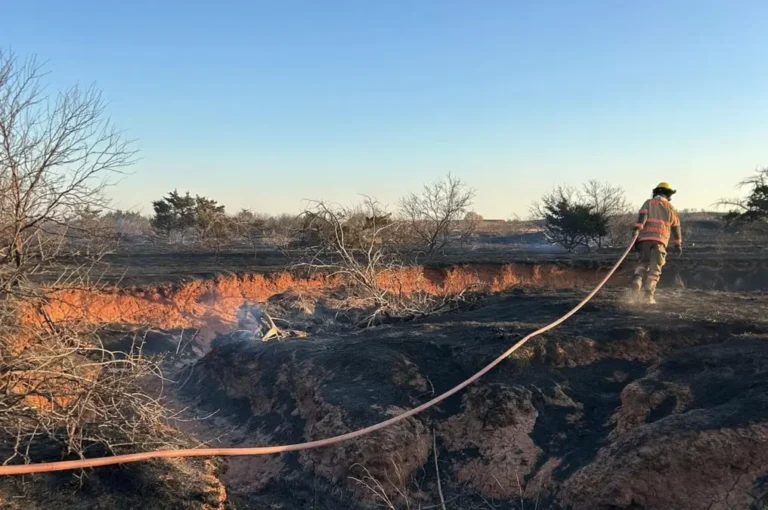
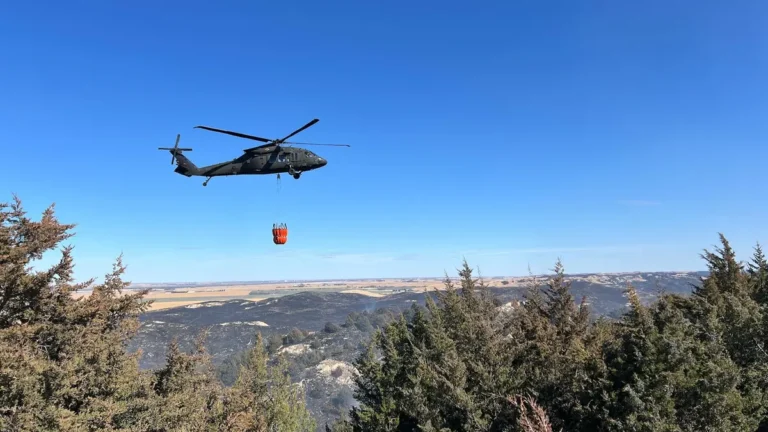
    A wind-driven wildfire ignited near Hitchcock in Blaine County, Oklahoma, at approximately 14:30-15:30 LT on March 26, 2026, burning 251 ha (620 acres) and reaching 70% containment by March 29. The fire, caused by a rekindled permitted burn, injured multiple firefighters and prompted localized evacuations that were later lifted.

  • Early-season wildfires surge across the United States with over 611 000 ha (1.51 million acres) burned year-to-date

    Wildfire activity intensified across the United States in March 2026, with 44 large fires burning approximately 399 800 ha (987 989 acres) as of March 27. Since January 1, more than 611 000 ha (1.51 million acres) have burned from 15 436 fires, well above the 10-year average, while evacuations, burn bans, and localized impacts were reported as containment improved in several key incidents by March 29.

  • Red Flag Warnings issued from the Plains to the Southeast under critical fire weather conditions

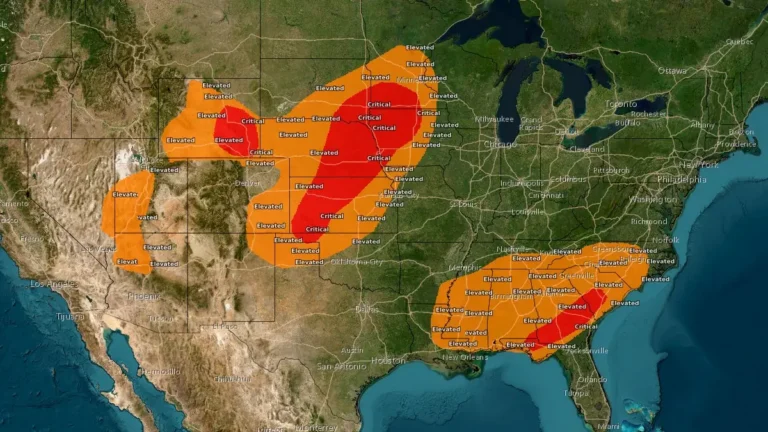
    Red Flag Warnings are in effect across the Central Plains and Southeast United States on March 28, 2026, as the National Weather Service (NWS) warns of critical fire weather conditions driven by strong winds, low relative humidity, and dry fuels. Wind gusts up to 80 km/h (50 mph) and humidity levels as low as 10–20% are expected to promote rapid fire ignition and spread. Outdoor burning is strongly discouraged across all warned regions.

  • Airborne surveys show more than 90% snowpack loss in Arizona’s Upper Black River Basin

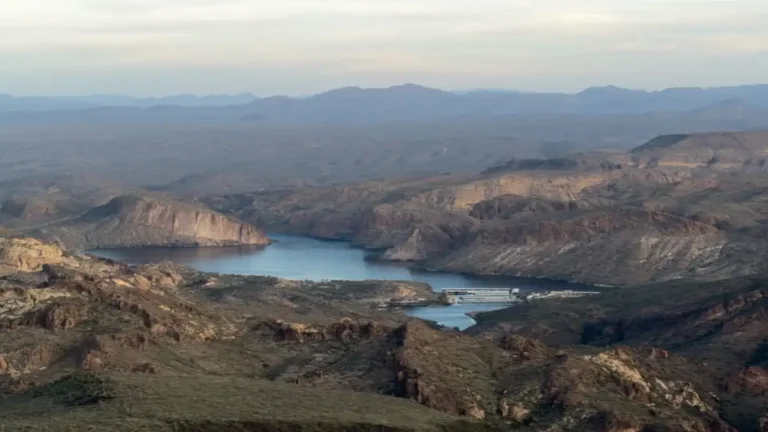
    Airborne snow surveys in the Upper Black River Basin of eastern Arizona showed snow water equivalent falling from about 11.7 million m3 (9.5 thousand acre-feet) on February 23 to about 987 000 m3 (0.8 thousand acre-feet) by March 12, 2026, a decline of more than 90% in less than three weeks. The basin feeds the Salt River system upstream of Roosevelt Dam, part of the reservoir network supplying water to more than 2.5 million people in the Phoenix metropolitan area.