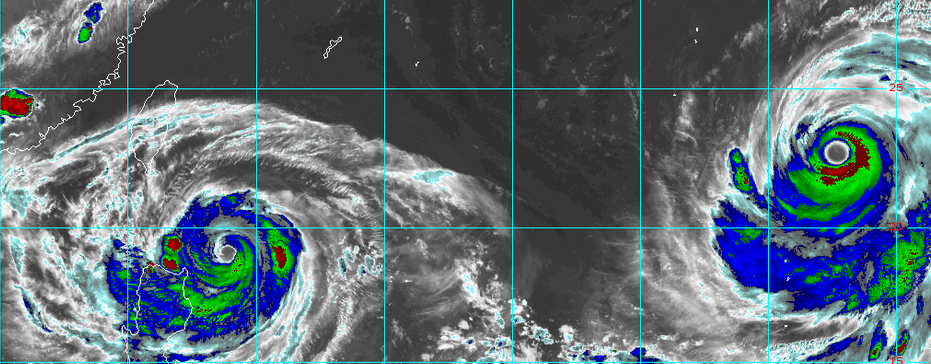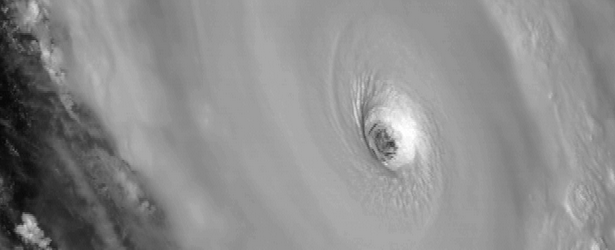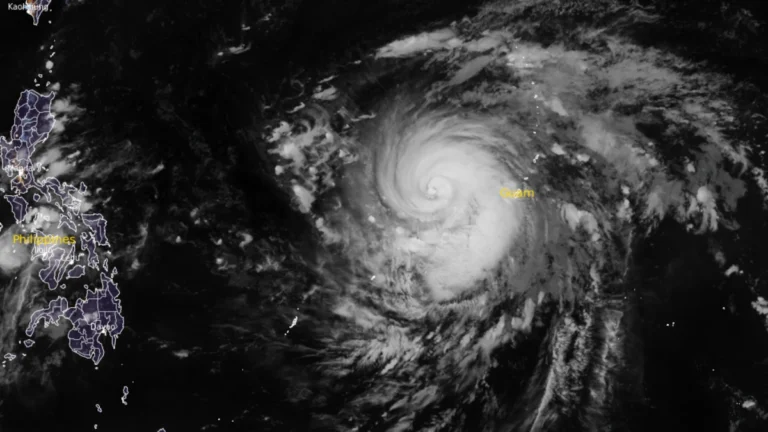
• Champi briefly reaches super typhoon strength after its closest approach to Guam causes widespread outages

    Typhoon Champi passed about 16 km (10 miles) south of Merizo, Guam, at 04:26 ChST on October 18 (18:26 UTC on October 17) and was upgraded to a super typhoon about three hours later. The Joint Typhoon Warning Center (JTWC) post-analysis placed its 00:00 UTC intensity at 269 km/h (167 mph) before the cyclone weakened to 222 km/h (140 mph) by 12:00 UTC, while Guam authorities reported widespread power outages and disruptions to water services.
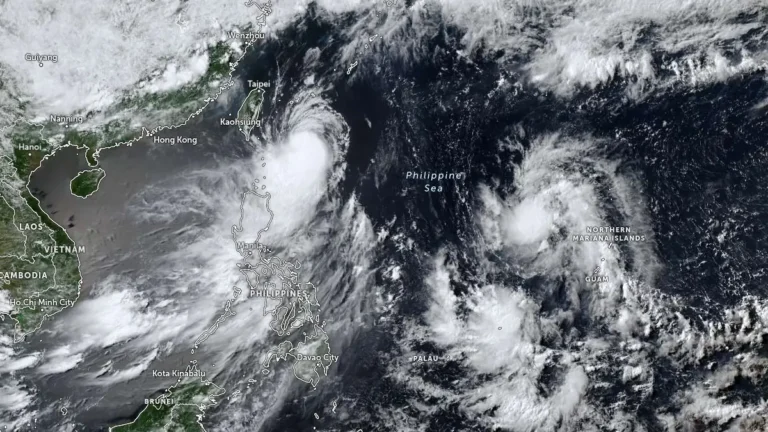
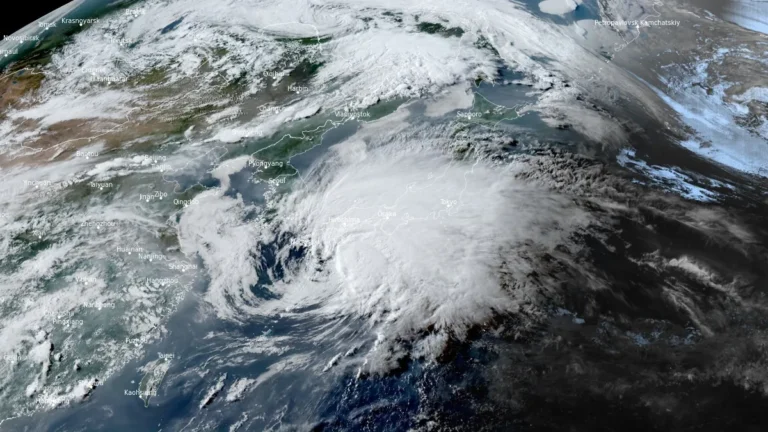
  • Severe Tropical Storm Jangmi leaves 23 injured, 60 000 without power after landfall in Wakayama, Japan

    Severe Tropical Storm Jangmi made landfall over southern Wakayama Prefecture at 04:30 JST on June 3 (19:30 UTC on June 2), bringing heavy rainfall and strong winds that injured at least 23 people, damaged 57 homes, left more than 60 000 customers without power, and prompted evacuation orders affecting more than 400 000 residents. The storm also triggered the first Level 5 Special Flood Warning issued under Japan’s new five-level disaster alert system.

  • Intense tropical cyclones shifting poleward since 1980

    Researchers find that the average latitude where tropical cyclones achieve maximum intensity has been shifting poleward since 1980.Over the past 30 years, the location where tropical cyclones reach maximum intensity has been shifting toward the poles in both the norther