• Scientists measure structure of enormous solar flare

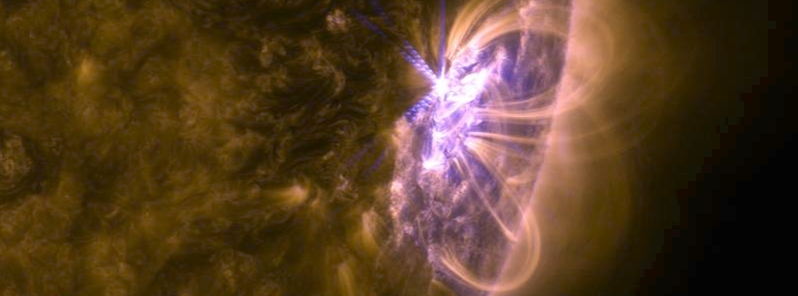
    Astronomers at the Harvard-Smithsonian Center for Astrophysics reported spatially-resolved observations of the regions of the Sun's magnetic field and flare-ejected electron activity, with the results suggesting that these kinds of spatial structures in the…

  • Motions in the Sun unveil inner workings of sunspot cycles

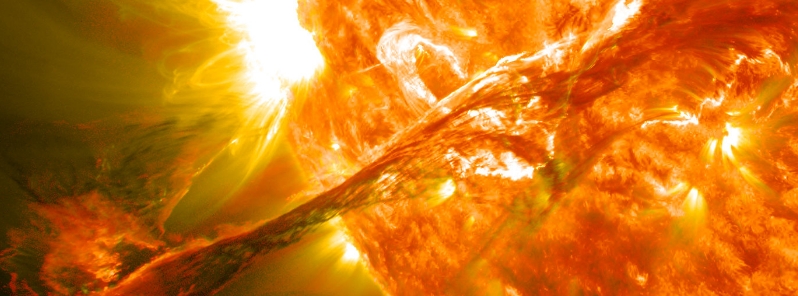
    The Sun's magnetic activity fluctuates in a rhythm of about 11 years, which is reflected in the frequency of sunspots. During solar maximum, huge sunspots and active regions appear on the surface of the star. Scientists have long been puzzled over the reason…

  • Evidence for an extreme solar proton event around 660 BC

    An increasing amount of research indicates that solar storms can be even more powerful than measurements have shown so far via direct observations. Researchers believe that society is not sufficiently prepared if a similar event were to happen now. The researchers…

  • New tool could predict large solar storms more than 24 hours in advance

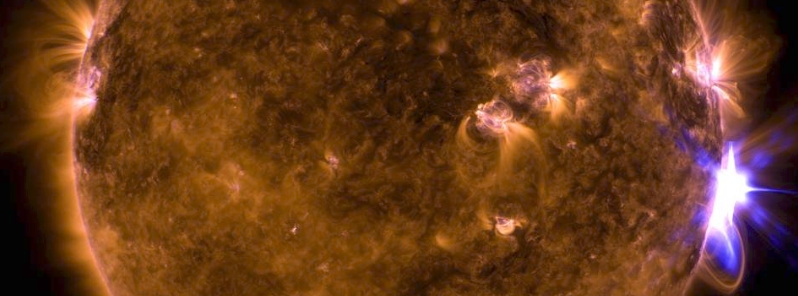
    A new measurement and modelling tool/technique, developed by Dr Neel Savani of Imperial College London and NASA's Goddard Space Flight Center, could give more than 24 hours' notice of large magnetic storms from the Sun that could be harmful to systems on…

  • NASA investigates proton radiation effects on human cells

    A team of researchers at NASA's Johnson Space Center in Houston and Lawrence Berkeley National Laboratory in Berkeley, Calif., has found radiation from protons could further enhance a process that occurs during tumor progression. This information may help lead…