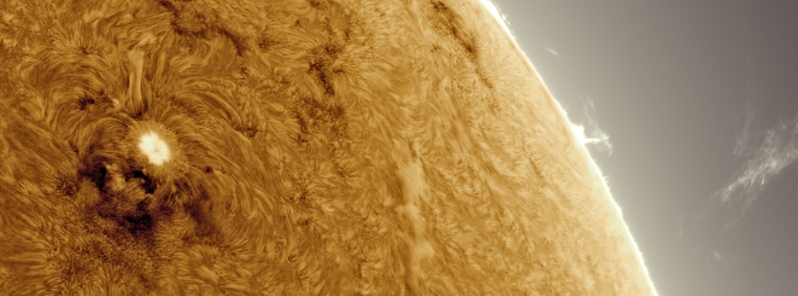
• Unlocking solar activity: Correlation between the Sun’s Hale magnetic cycle and Extended Solar Cycle

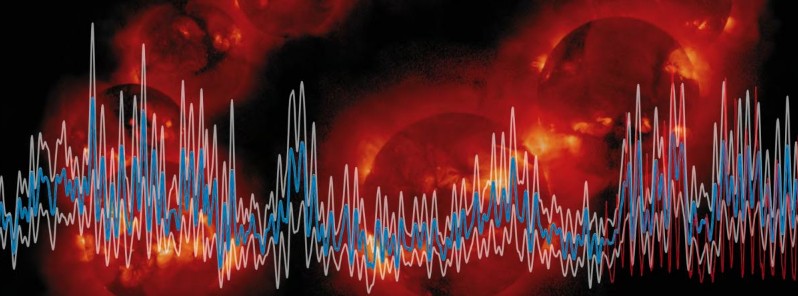
    New research from the Wilcox Solar Observatory (WSO) has found evidence for the correspondence of the “Extended Solar Cycle” (ESC) to the Sun’s Hale magnetic cycle. The research emphasizes the intrinsic power of synoptic observations, particularly at a time when it is becoming increasingly difficult to sustain such efforts.

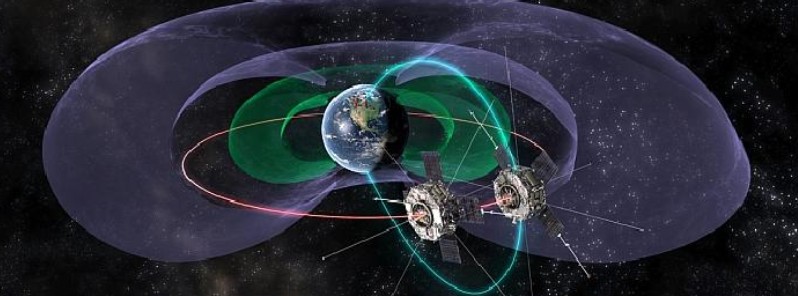
  • New observations of coronal mass ejections and cosmic rays

    Scientists have released new observations of solar activities, such as Coronal Mass Ejections (CMEs) and cosmic rays, gathered by the Global Muon Detector Network (GMDN) at the Syowa Station in the Antarctic. The team found that high-speed solar wind causes the…

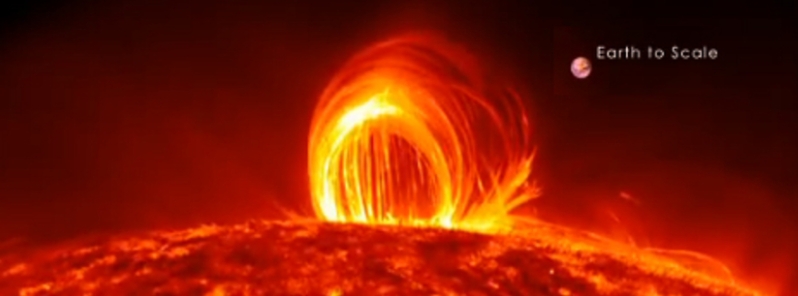
  • New project for more accurate space weather predictions

    Professor Clare Watt, a space plasma physicist from Northumbria's Department of Mathematics, Physics and Electrical Engineering, is leading a new project that aims to forecast space weather more accurately. Funded by the Science and Technology Facilities Council…

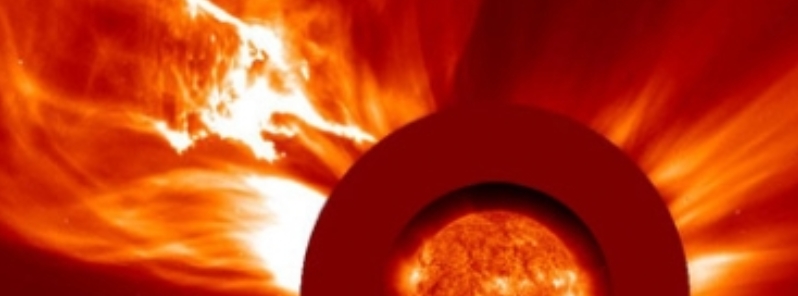
  • New method helps predict big solar flares

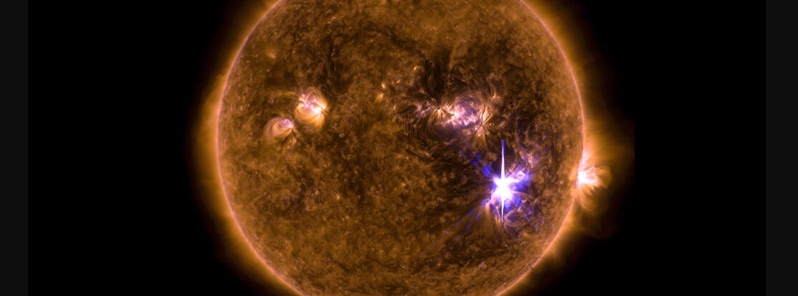
    Scientists developed a new physics-based technique that successfully predicted seven of the Sun's largest flares from the past solar cycle, out of a set of nine. With further improvement, the new model could be used to inform forecasters of these intense…

  • New phenomena discovered on the Sun

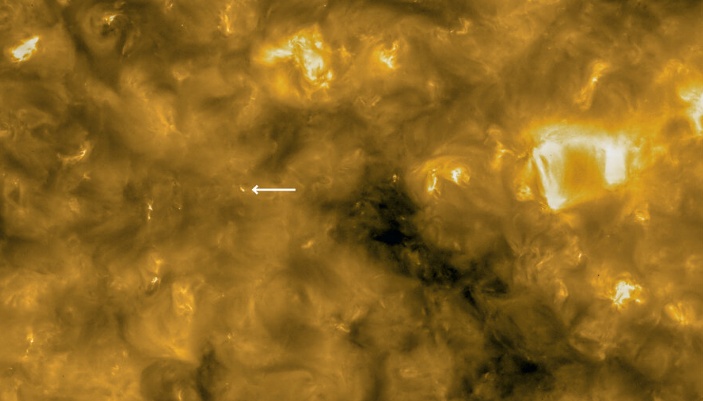
    A new Sun-observing mission led by ESA and NASA — Solar Orbiter — has returned its first images of the Sun, revealing previously unknown omnipresent miniature solar flares, dubbed 'campfires.' The campfires shown in the image below were captured by the…