• New studies suggest smaller impactors could be a better planetary defense strategy against asteroids

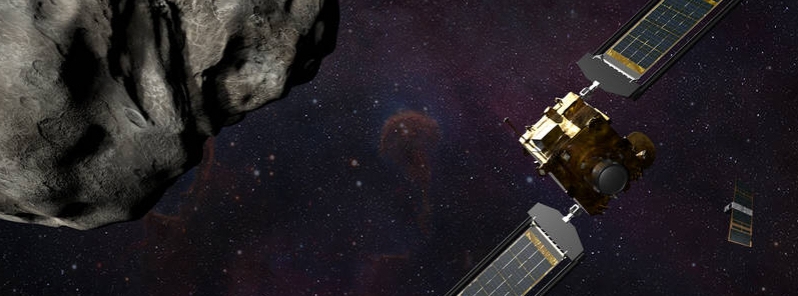
    Two studies published in Nature Communications explore and provide insights into efficient planetary defense strategies. These studies came out during the period when 2024 YR4 made headlines with its potential for impact in 2032. The results provide valuable insights into how to create better planetary defense procedures based on the behavior of asteroid Dimorphos ejecta produced by NASA’s Double Asteroid Redirection Test (DART) mission.

  • Asteroid 2024 YR4 now has a 1 in 38 chance of impact in 2032

    The impact risk of asteroid 2024 YR4 in 2032 increased from 1.8% to 2.6% (1 in 38) with new trajectory simulations and refined calculations. While the increase remains within a low-risk range, continued monitoring and additional observations will be necessary to further refine impact predictions.

  • Asteroid 2024 YR4 impact risk updated to 1.8%

    The impact risk of asteroid 2024 YR4 in 2032 increased from 1.2% to 1.8% on February 6, 2025, following new trajectory simulations and refined calculations. While the increase remains within a low-risk range, continued monitoring and additional observations will be necessary to further refine impact predictions.

  • Asteroid 2024 YR4 triggers planetary defense procedures

    A newly discovered asteroid designated 2024 YR4 has activated global planetary defense protocols after initial observations indicated a small but notable chance of impact in seven years. International monitoring networks have begun refining its trajectory, while space agencies evaluate potential response strategies, including possible deflection measures.

  • Chinese researchers advocate for nuclear weapon use against asteroid threats

    Chinese experts propose using nuclear weapons as a last resort to protect Earth from potential asteroid crashes. The team, led by Zhang He of the Beijing Institute of Spacecraft System Engineering, stressed that current planetary defense technologies, including NASA’s DART mission, may be insufficient against larger asteroids.