• Unusual nickel and cyanide emissions detected around interstellar object 3I/ATLAS

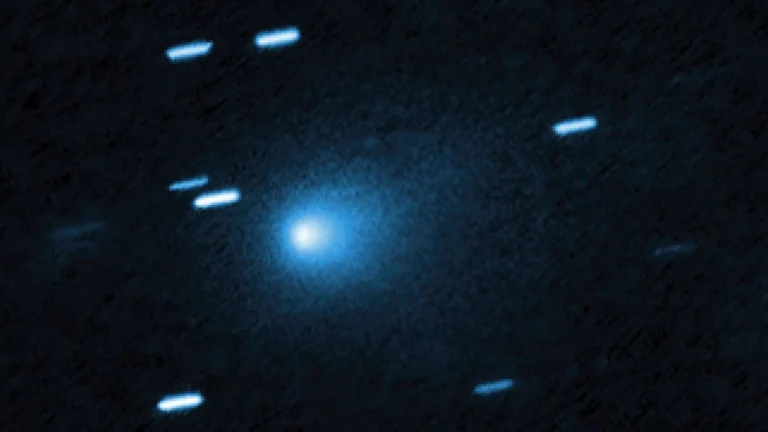
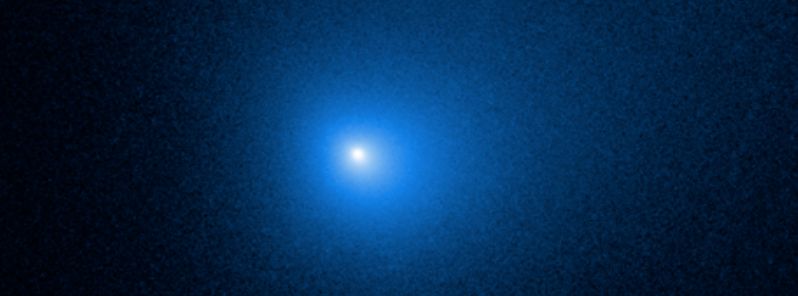
    Spectroscopic observations with the Keck II telescope in Hawaii revealed distinct nickel and cyanide emissions surrounding the interstellar object 3I/ATLAS, extending several hundred kilometers from its nucleus. The data, presented by Hoogendam et al. (2025) and summarized by astrophysicist Avi Loeb, show an anomalous concentration of nickel and an absence of iron lines—behavior unseen in known comets. These results, together with earlier Hubble images showing an anti-tail oriented toward the Sun, further reinforce the object’s unusual nature.

  • NASA telescopes detect unusual chemistry in interstellar comet 3I/ATLAS

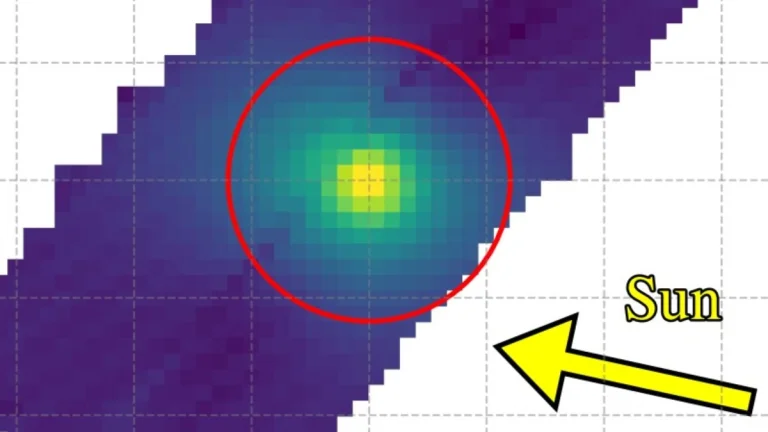
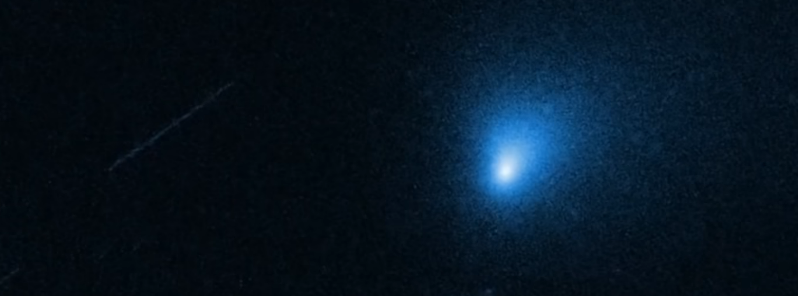
    NASA released the first results of James Webb Space Telescope (JWST) observations of interstellar comet 3I/ATLAS on August 25, 2025, showing a coma dominated by carbon dioxide. The comet was observed on August 6, and complementary data from Hubble and SPHEREx confirm unusual volatile ratios.

  • Ancient interstellar object 3I/ATLAS offers first glimpse into thick disk comet chemistry

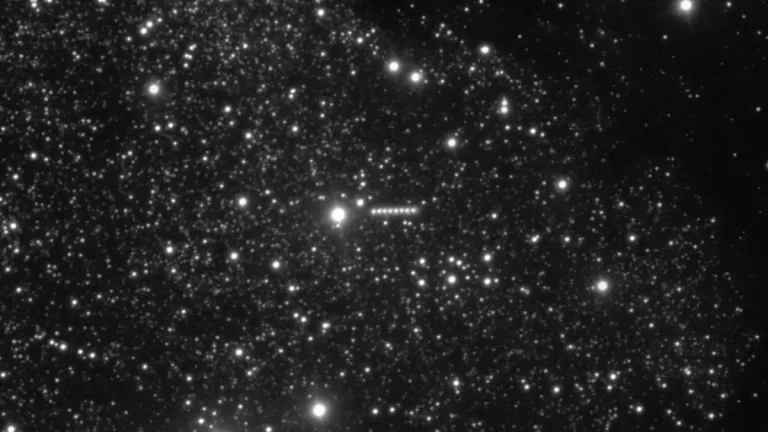
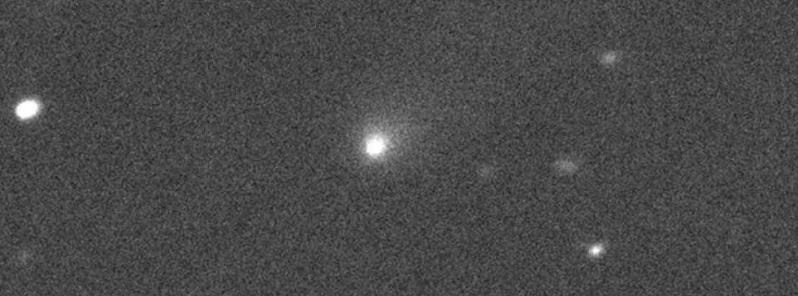
    Interstellar comet 3I/ATLAS, first observed by the ATLAS survey in Chile on July 1, 2025, is the third confirmed object of its kind to enter the solar system. Analysis of its hyperbolic trajectory and inbound velocity of ~58 km/s confirms its extrasolar origin, while kinematic modeling suggests it formed in the Milky Way’s ancient thick disk, offering a rare opportunity to study early galactic comet chemistry.

  • First interstellar asteroid population discovered

    A new study has identified the first known permanent set of asteroids originating from outside our solar system. These are believed to have been captured from other stars billions of years ago, orbiting the Sun in disguise ever since. The findings came more than two…

  • Comet 2019 Q4 (Borisov) likely an interstellar visitor

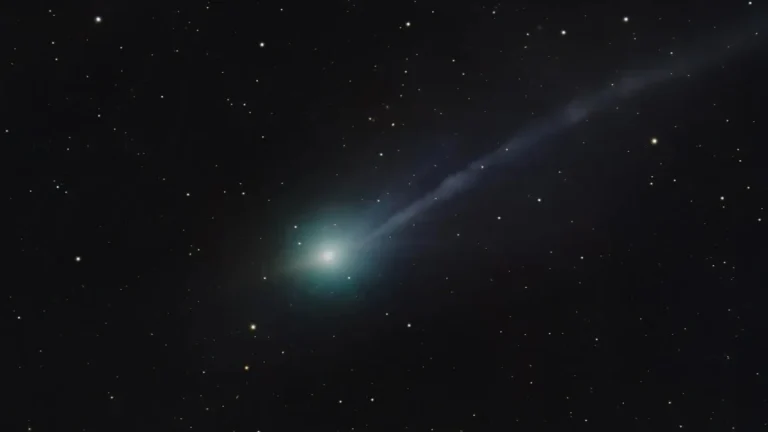
    NASA believes that the mysterious comet named C/2019 Q4, which exited the astronomical community this week, is from outside the solar system. The object was discovered by Gennady Borisov, a Crimean astronomer at the MARGO observatory, Nauchnij, on August 30, 2019….