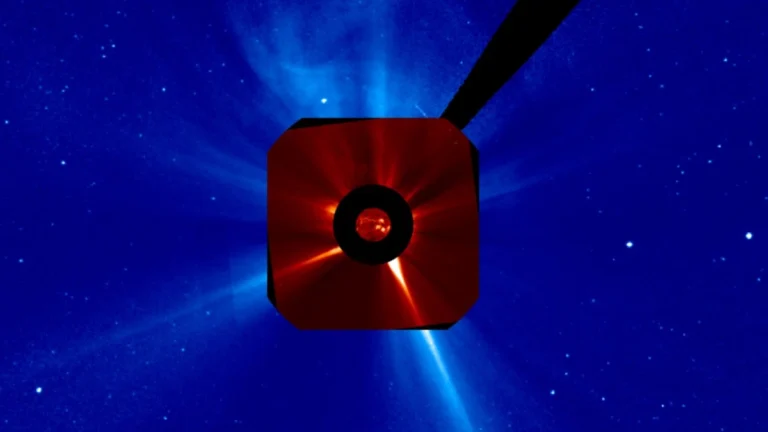
• G2 – Moderate geomagnetic storm watch in effect for April 17 and 18

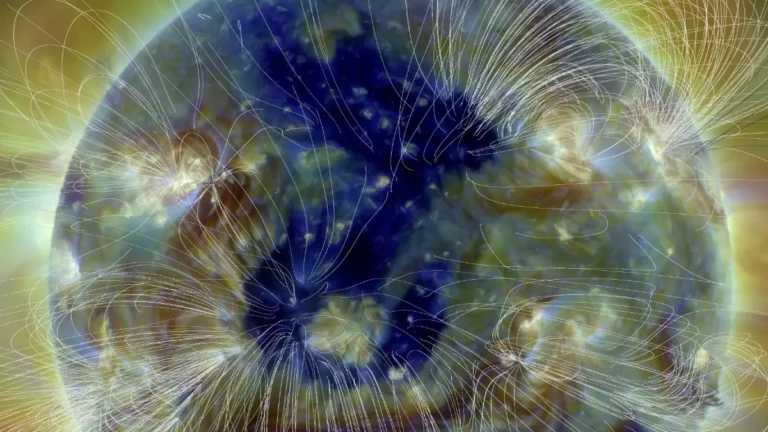
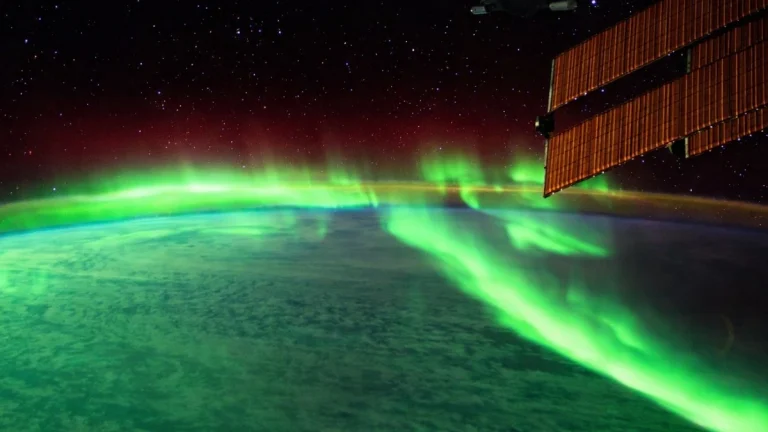
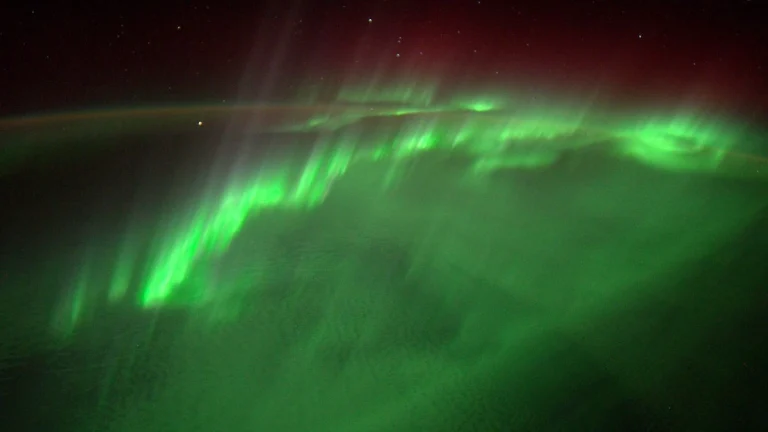
    A G2 – Moderate geomagnetic storm watch is in effect for April 17 and 18, 2026, due to an incoming coronal hole high-speed stream expected to enhance solar wind conditions by late April 17. The event could cause minor operational impacts on high-latitude power systems, satellites, and HF radio communications, while increasing the chance of aurora sightings across northern U.S. states.

  • CME produced by X8.1 flare forecast to reach Earth on February 5, causing G1 geomagnetic storm

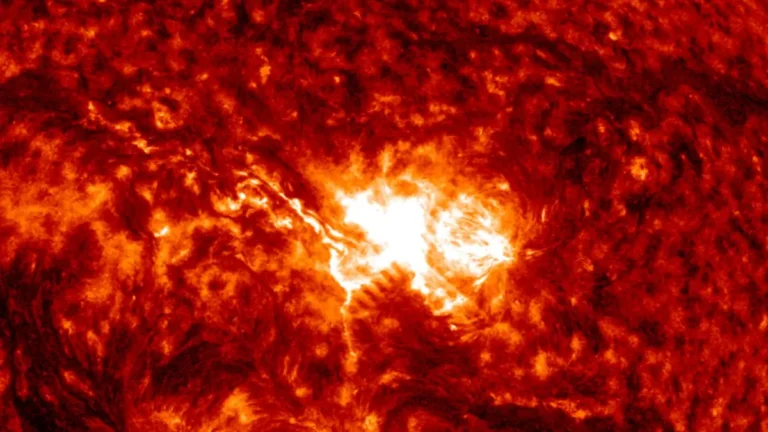
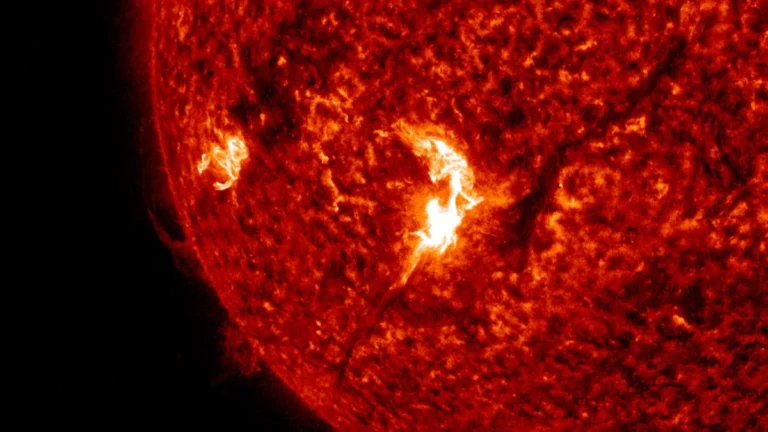
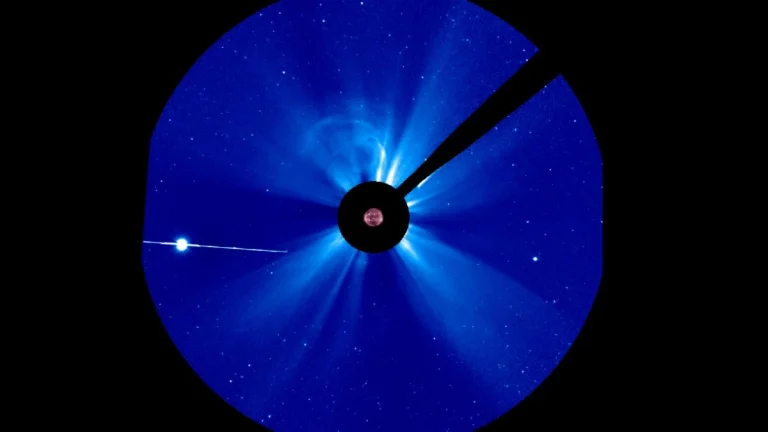
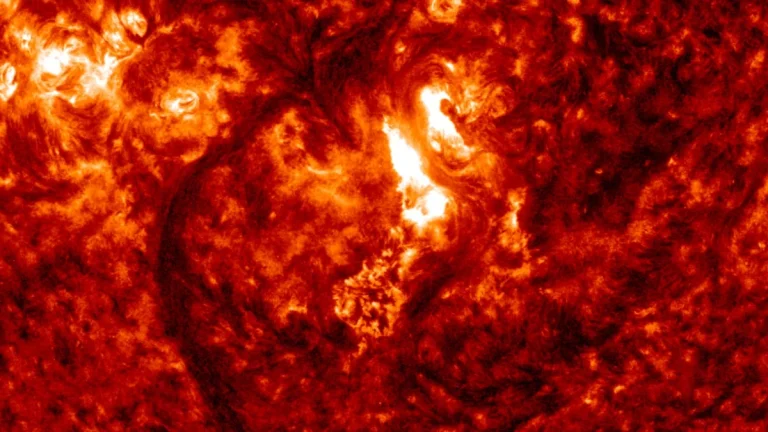
    A coronal mass ejection (CME) associated with an X8.1 solar flare from Region 4366 at 23:57 UTC on February 1 is forecast to glance Earth late on February 5, 2026. The impact is expected to produce G1 – Minor geomagnetic storm conditions and possible auroral activity poleward of 60 degrees Geomagnetic Latitude. This was the third-strongest solar flare of Solar Cycle 25.

  • CME impact forecast early January 20 with G4 – Severe or higher storm risk and aurora as low as California

    A G4 – Severe or greater geomagnetic storm is forecast for early January 20, 2026, as a full-halo coronal mass ejection from the January 18 X1.9 solar flare approaches Earth. If G4 conditions materialize, auroral activity is expected to expand significantly equatorward, with visibility possible as far south as Alabama and northern California.

  • Multiple Earth-directed CMEs expected to trigger G1 geomagnetic storm and aurora at high latitudes

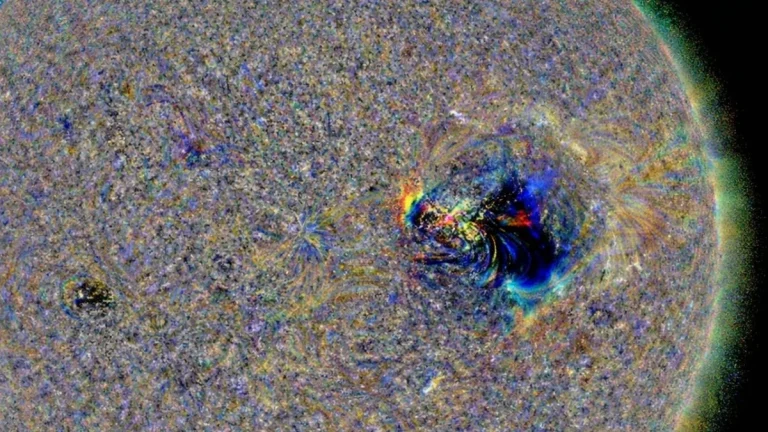
    Multiple coronal mass ejections (CMEs) launched from Active Region 4334 on January 8, 2026, are expected to deliver a glancing blow to Earth between late January 10 and early January 11, according to the U.S. Space Weather Prediction Center (SWPC). The interaction of several CMEs and a coronal hole high-speed stream is forecast to cause isolated G1 – Minor geomagnetic storm conditions. Aurora may become visible across high latitudes, including the northern tier of the United States, such as northern Michigan and Maine.

  • G3 – Strong geomagnetic storm forecast following Earth-directed CME produced by M8.1 solar flare

    A G3 – Strong geomagnetic storm watch is in effect following a powerful M8.1 solar flare from geoeffective Active Region 4299 at 20:39 UTC on December 6, 2025. The resulting full-halo coronal mass ejection (CME) is expected to impact Earth between early and midday UTC on December 9, possibly producing periods of strong geomagnetic storming.

  • G2 geomagnetic storm and aurora forecast for December 3-4 following CME from X1.9 solar flare

    NOAA’s Space Weather Prediction Center (SWPC) issued a G2 – Moderate geomagnetic storm watch for December 3 and 4, 2025, following a coronal mass ejection (CME) associated with the X1.9 solar flare from Active Region 4299 on December 1. The CME is expected to deliver a glancing blow to Earth’s magnetic field, coinciding with a co-rotating interaction region (CIR) and a sector boundary crossing, increasing the potential for moderate geomagnetic storming and visible auroras at mid-latitudes.

  • G4 – Severe or greater geomagnetic storm forecast, aurora likely as low as Alabama and California

    A major X5.1 solar flare erupted from Active Region 4274 at 10:04 UTC on November 11, 2025, producing a large Earth-directed coronal mass ejection (CME). NOAA SWPC issued a geomagnetic storm watch predicting G4 – Severe or greater conditions for November 12, G3 – Strong for November 13, and G1 – Minor for November 14. On November 12 and 13, aurora may be visible as far south as Alabama and northern California.