• Portugal breaks national May temperature record with 40.3°C (104.5°F) in Mora

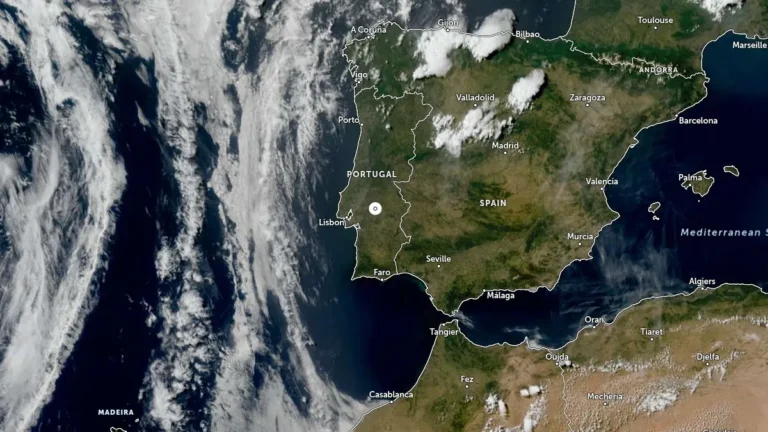
    Portugal set a new national May temperature record on May 27, 2026, after Mora reached 40.3°C (104.5°F) during an early-season heatwave, according to the Portuguese Institute for Sea and Atmosphere (IPMA). The reading surpassed the previous May extreme of 40°C (104°F), recorded at Pinhão on May 30, 1953, and matched at Termas de Monfortinho on May 30 and 31, 2001.

  • Severe storms continue from the Adriatic into the Balkans, Level 2 risk shifts toward Bulgaria, Romania and NW Turkey

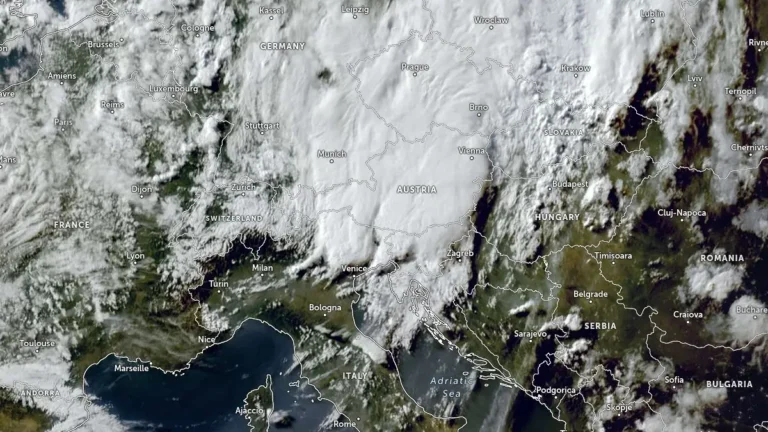
    Severe thunderstorms continued across parts of northern Italy, Slovenia, Croatia, and the western Balkans on Monday, May 11, 2026. ESTOFEX forecasters warn the severe weather corridor is expected to shift east on Tuesday, with Level 2 risk areas extending from southeastern Romania through Bulgaria into northeastern Greece and northwestern Turkey. Large hail, localized heavy rainfall, and severe wind gusts remain the primary hazards.

  • Rare high-impact windstorm hits Zagreb, Croatia, in one of the city’s strongest wind episodes on record

    One of the strongest wind episodes on record in Zagreb, and the most intense in the modern Zagreb-Maksimir measurement record, struck the Croatian capital on March 27, 2026, with gusts exceeding 120 km/h (75 mph), causing widespread damage, major transport disruption, and multiple injuries, including two serious cases reported by authorities.

  • Major polar vortex disruption brings Arctic surges across North America and Europe through January and early February

    A major polar vortex disruption has begun and is forecast to send Arctic air into much of North America and Europe through mid and late January 2026. The event will bring freezing temperatures and winter weather as the vortex weakens following a stratospheric warming episode. A second, stronger outbreak is forecast to occur during the last part of January as the core of the vortex splits into two halves, each driving cold Arctic air into Europe and North America in February.

  • Arctic cold wave freezes Lapland airports, disrupts travel across northern Europe

    Thousands of tourists were stranded in northern Finland on January 11, 2026, after flights at Kittilä Airport were canceled due to extreme cold that made de-icing and fueling operations impossible. Temperatures dropped to −37°C (−34.6°F), one of the lowest readings of the winter season, amid a wider Arctic cold outbreak affecting large parts of northern and central Europe.

  • La Niña breakdown underway as models point to ENSO-neutral conditions in early 2026

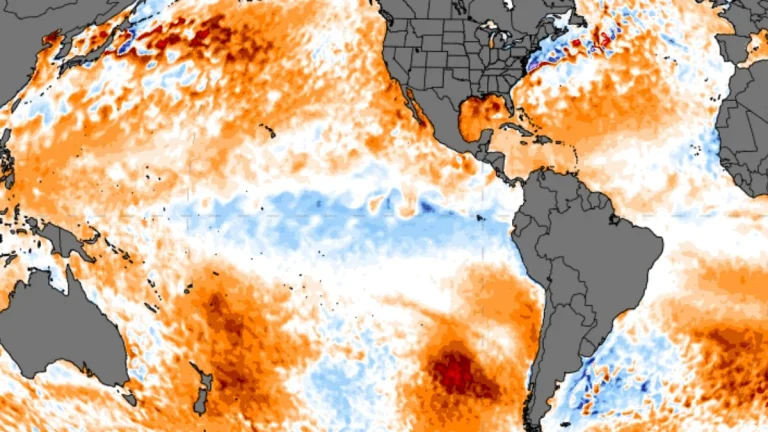
    La Niña conditions in the equatorial Pacific show signs of a transition toward ENSO-neutral conditions, with potential for El Niño development later in 2026. Observations from the National Oceanic and Atmospheric Administration (NOAA) and the European Centre for Medium-Range Weather Forecasts (ECMWF) show subsurface ocean warming and westerly wind anomalies across the central Pacific, indicating the breakdown of the three-year La Niña phase.

  • At least two dead in England and Wales as storm Goretti leaves nearly 1.2 million without power

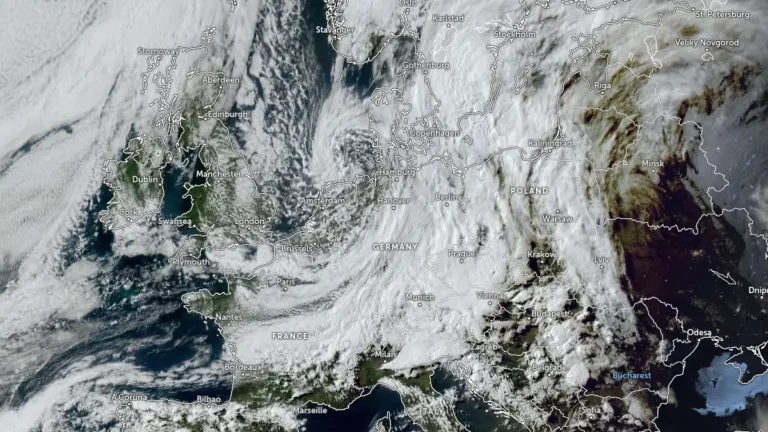
    Storm Goretti struck the United Kingdom on January 9, 2026, causing at least 2 fatalities in England and Wales. Winds reached 160 km/h (100 mph) as the storm brought heavy snow and significant coastal flooding, leaving nearly half a million customers without power — approximately 1.2 million people. The Met Office issued rare red wind warnings for southwest England as power cuts, flight cancellations, and travel disruption spread across the country.