
Recurrent flooding linked to higher odds of depression, anxiety and stress among farmers in southern Thailand
Farmers reporting more frequent flooding in southern Thailand had 6.1 times the adjusted odds of depressive symptoms and 9.81 times the odds of stress symptoms compared with those reporting unchanged flood frequency, according to a peer-reviewed study of 346 farmers published on March 7, 2026. Nearly half of the farmers surveyed in higher climate-hazard exposure areas had depressive symptoms, while access to several forms of agricultural adaptation and financial support was substantially lower.
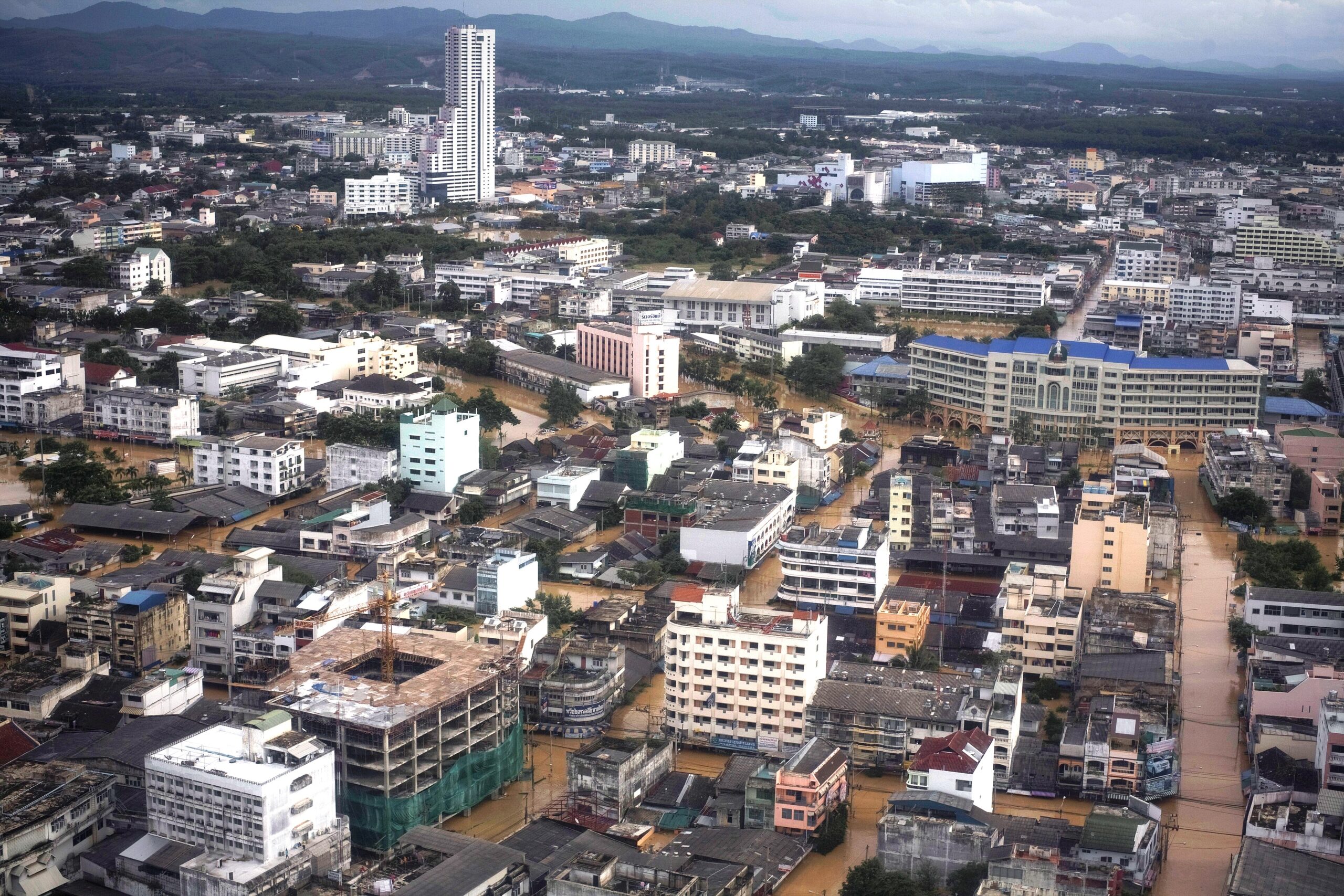
Kaewvijit et al. (2026) examined the mental health of farmers in four districts of Chumphon and Surat Thani provinces between June and August 2025. The researchers compared agricultural communities with different levels of exposure to flooding, drought and storms, using five years of disaster records and official hazard-risk evaluations to classify the study areas.
Sawi District in Chumphon and Khiri Rat Nikhom District in Surat Thani were classified as higher-exposure areas, while Thung Tako and Ban Na Doem districts represented the lower-exposure group. The two provinces were selected because they recorded the highest cumulative disaster statistics among Thailand’s 14 southern provinces, according to the researchers.
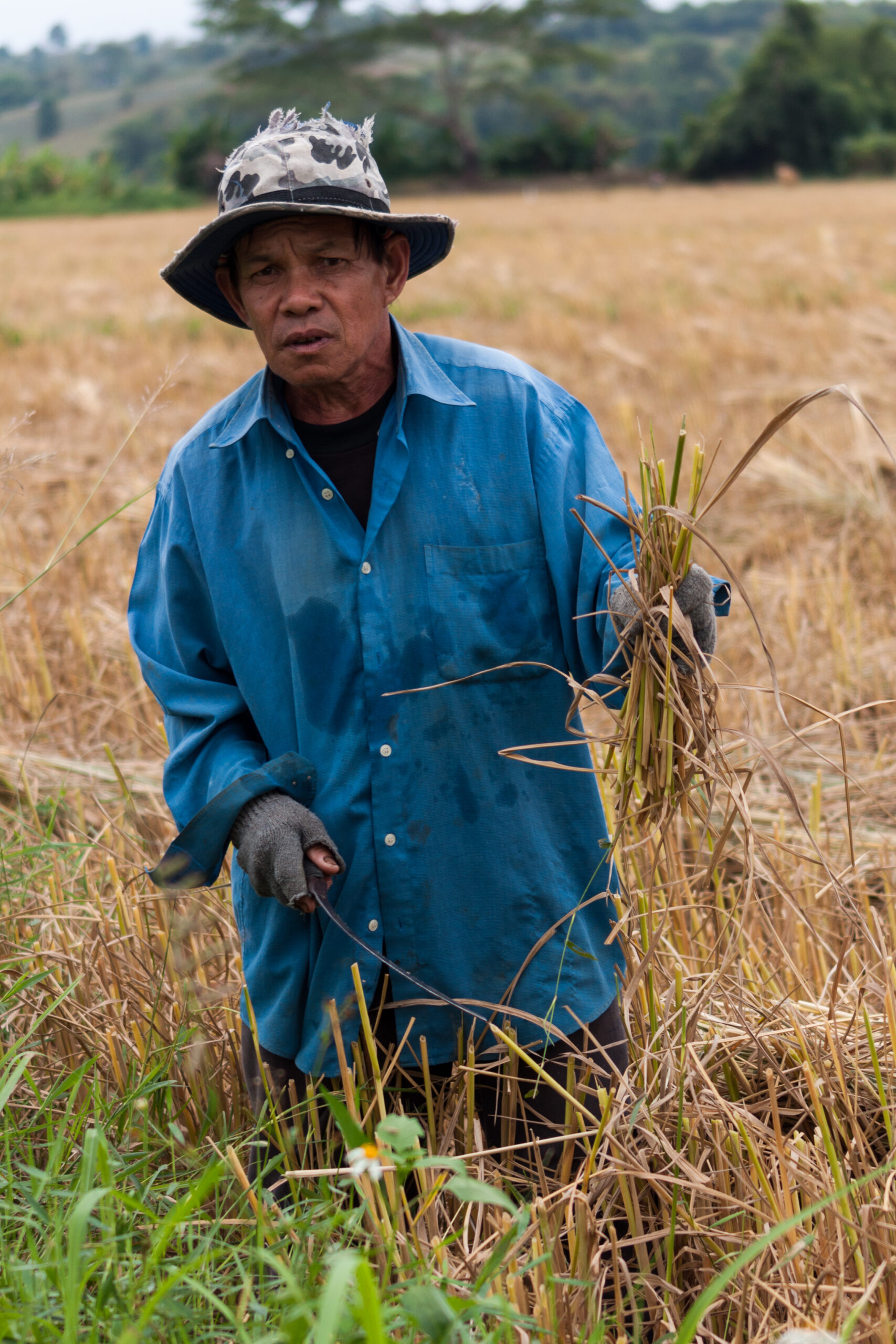
Researchers distributed 600 questionnaires and received 346 completed responses, yielding a response rate of 57.7%. The sample included 185 farmers from higher-exposure districts and 161 from lower-exposure districts. Participants worked in crop cultivation, livestock production, fisheries or mixed farming.
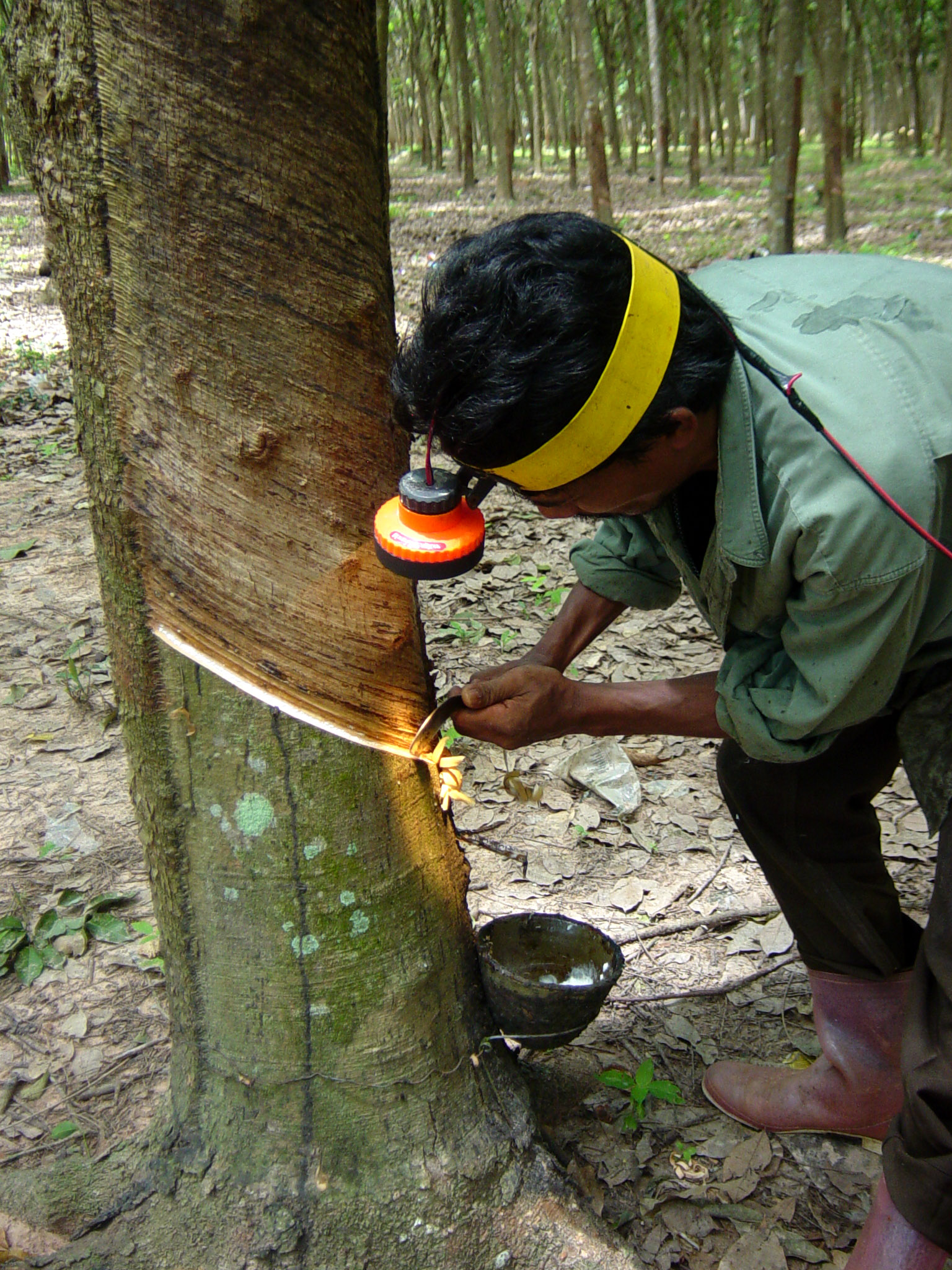
The upper southern region of Thailand is an important producer of commercial crops, including oil palm and rubber. Repeated flooding can disrupt agricultural operations, damage crops and infrastructure, and create financial uncertainty for households whose income depends on agricultural production.
Mental health was assessed using the validated Thai version of the Depression Anxiety Stress Scales (DASS-21). The questionnaire contains 21 items, divided equally between depression, anxiety and stress. Participants were classified according to standardized symptom thresholds rather than clinical psychiatric diagnoses.
Depressive symptoms were identified in 49.7% of farmers living in higher-exposure districts, compared with 36.0% in lower-exposure districts. The difference was statistically significant (p = 0.010). Anxiety and stress symptoms were also recorded in both groups, although their prevalence did not differ significantly between geographic exposure categories.
Mental health among surveyed farmers
Percentage of respondents with abnormal DASS-21 scores
Depression
Anxiety
Stress
Higher exposure: n = 185. Lower exposure: n = 161. Only the difference in depressive symptoms was statistically significant.
The associations were considerably larger when the researchers examined changes in flood frequency during the preceding year. Farmers reporting more frequent flooding had 6.10 times the adjusted odds of depression, 3.33 times the adjusted odds of anxiety and 9.81 times the adjusted odds of stress compared with respondents reporting unchanged flood frequency.
| Mental-health outcome | Adjusted odds ratio | 95% confidence interval | p-value |
|---|---|---|---|
| Depression | 6.10 | 2.26–16.47 | < 0.001 |
| Anxiety | 3.33 | 1.18–9.38 | 0.023 |
| Stress | 9.81 | 3.74–25.74 | < 0.001 |
Understanding the odds ratios and confidence intervals
An adjusted odds ratio compares the odds of an outcome between groups while accounting for variables included in a statistical model. An odds ratio of 6.10 does not mean a person is 6.10 times as likely to develop clinical depression.
The confidence intervals indicate uncertainty around the estimates. Although all three flood-frequency associations were statistically significant, the relatively wide intervals indicate uncertainty about their precise magnitude.
The regression models accounted for several potential confounding factors, including age, gender, household debt, alcohol consumption, chronic disease and household income sufficiency. Residence in a higher-exposure district remained associated with depression at an adjusted odds ratio of 1.87 (95% confidence interval: 1.12–3.12).
Household debt was independently associated with stress, with an adjusted odds ratio of 2.53 (95% confidence interval: 1.20–5.33). Both occasional and regular alcohol consumption were associated with higher odds of depression and anxiety. Sensitivity analyses indicated that adjusting for alcohol consumption did not materially alter the study’s principal conclusions.
Other climate-related hazards did not show the same statistical pattern. Increased storm frequency was associated with lower adjusted odds of depression, with an odds ratio of 0.38 (95% confidence interval: 0.19–0.77). Increased drought frequency was not significantly associated with any of the three measured mental-health outcomes in the adjusted analysis.
Keep reading
The contrasting results indicate that the associations cannot be generalized equally across all hazard types. The researchers proposed that differences in agricultural disruption and economic consequences could contribute to the variation, although the study did not directly establish those mechanisms.
Differences between the geographic exposure groups also extended to agricultural adaptation and institutional assistance. Farmers in higher-exposure districts reported substantially lower participation in community natural-resource management programs, lower adoption of improved or drought-resistant seeds, and less frequent receipt of financial compensation.
Agricultural adaptation and support
Percentage of farmers reporting participation or assistance
Community natural-resource management
Improved or drought-resistant seeds
Financial compensation
All three group differences were statistically significant (p < 0.001). Differences in reported support do not establish a causal relationship with mental-health outcomes.
Only 2.2% of farmers in higher-exposure areas reported receiving financial compensation, compared with 19.3% in lower-exposure areas. The authors interpreted the findings as evidence of differences in institutional engagement, with farmers in higher-exposure communities relying more heavily on individual adaptation measures.
Most individual coping measures and institutional support variables were not significantly associated with mental-health outcomes after multivariable adjustment. Increased fertilizer use was the exception, showing an inverse association with depression at an adjusted odds ratio of 0.55 (95% confidence interval: 0.31–0.97). The support disparities therefore cannot establish that limited assistance caused the higher prevalence of depressive symptoms.
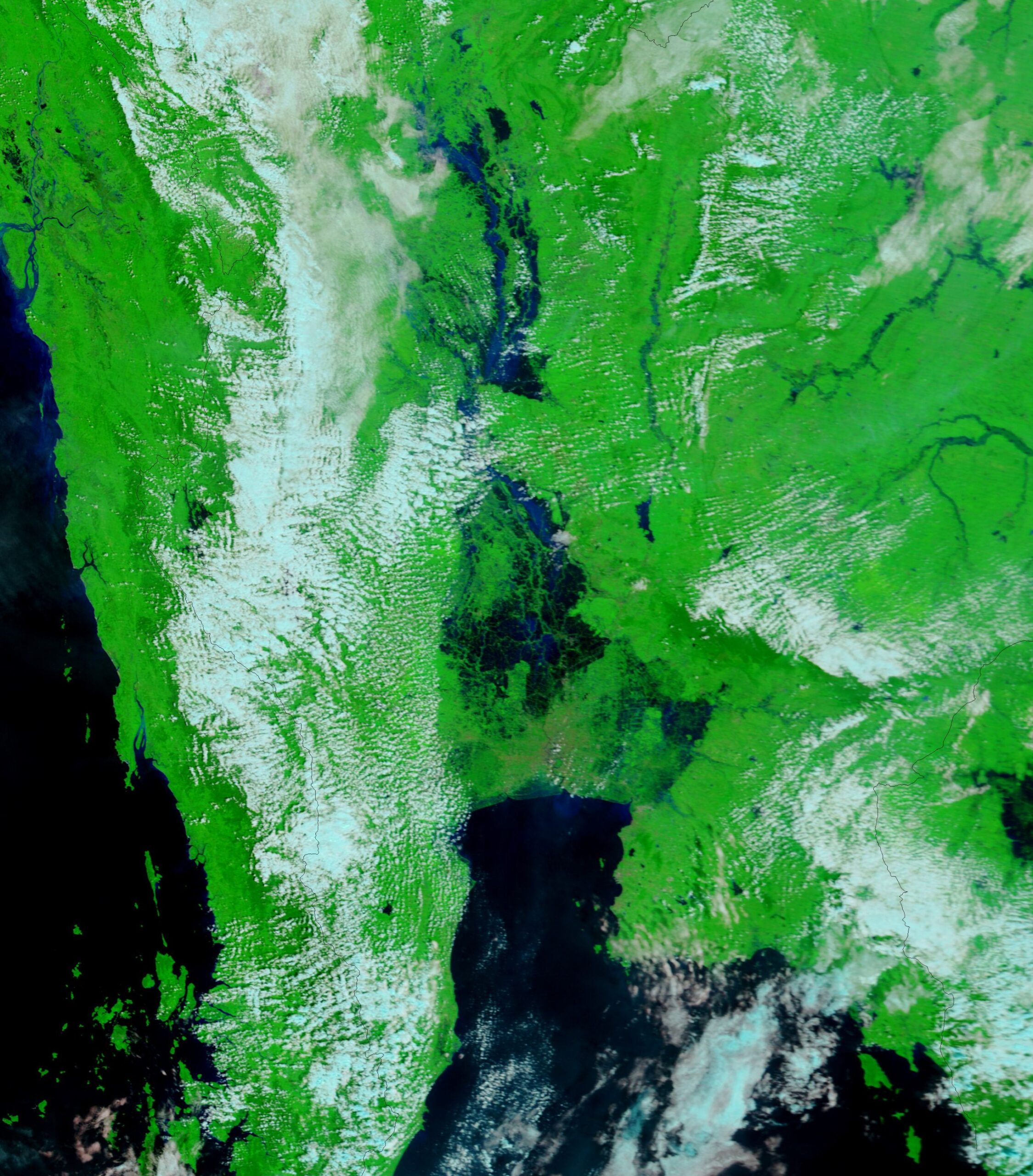
Flooding in southern Thailand generally occurs between October and December, according to the study, differing from the broader June–September flood period reported nationally. Historical satellite observations also illustrate how flooding can extend beyond the typical seasonal period.
The cross-sectional design prevents the research from establishing whether increased flooding caused the observed symptoms. Self-reported information introduces potential reporting and recall bias, while the response rate leaves open the possibility of differences between participating and nonparticipating farmers.
The division of communities into higher- and lower-exposure districts also cannot account fully for variation in individual hazard experience. Farmers in the lower-exposure areas reported comparatively greater drought exposure, illustrating the limitations of a single geographic classification for multiple hazards.
The authors recommended incorporating early mental-health screening, financial-risk protection and psychosocial support into climate-adaptation programs for agricultural communities repeatedly exposed to climate-related hazards.
Longitudinal studies following farmers before and after repeated flooding would be needed to establish the temporal relationship between hazard exposure and mental-health symptoms, distinguish the influence of financial and occupational disruption, and determine whether targeted adaptation measures improve psychological outcomes.
References:
1 Kaewvijit, R., Chanpiwat, P., Sithisarankul, P., Sirinara, P., & Ingviya, T. (2026). Mental health impacts of climate-related hazards among farmers: evidence from a community-based study. Journal of Occupational Medicine and Toxicology, 21, Article 11. DOI: 10.1186/s12995-026-00504-w
2 Floods Swamp Southern Thailand – NASA Earth Observatory – January 13, 2017

I’m a science journalist and researcher at The Watchers, contributing to the Epicenter edition, where I cover peer-reviewed scientific research and emerging discoveries across Earth and space sciences. With a background in astronomy and a passion for environmental science, I’ve worked in shark and coral conservation in Fiji, conducting reef and shark-behavior research, contributing to mangrove restoration, and earning PADI Open Water and Coral Reef Certifications. I bring a blend of scientific rigor and storytelling to illuminate the discoveries shaping our planet and beyond.
More reporting
- Major Thanksgiving coastal flooding cuts off North Wildwood as states of emergency take effect in New Jersey and parts of New York
- BepiColombo's MIXS returns first astronomical X-ray images after eight years in space
- Europa’s vast sodium cloud stays unexpectedly stable across decades
- Thermal study weakens buried-ice explanation for asteroid 1998 KY26’s unusual motion
