
Desert Locust groups form in Mauritania as seasonal outlook favors further breeding through May 2027
Desert Locust populations increased in Mauritania during October, with adult and hopper groups forming as breeding continued in the northwest. A November 19 FAO seasonal precipitation outlook identifies rainfall conditions that may support further winter and spring breeding across parts of Africa and Southwest Asia through May 2027, while ground teams treated 80 ha (198 acres) in Mauritania during October.
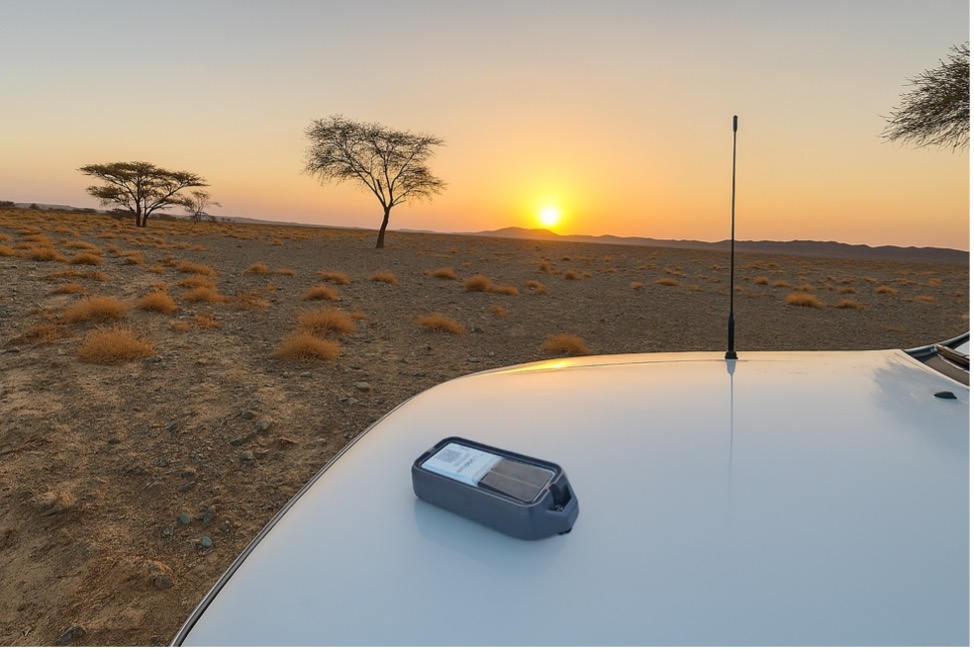
Desert Locust populations increased in Mauritania during October, with adult and hopper groups forming as breeding continued in the northwest. A November 19 FAO seasonal precipitation outlook identifies rainfall conditions that may support further winter and spring breeding across parts of Africa and Southwest Asia through May 2027, while ground teams treated 80 ha (198 acres) in Mauritania during October.
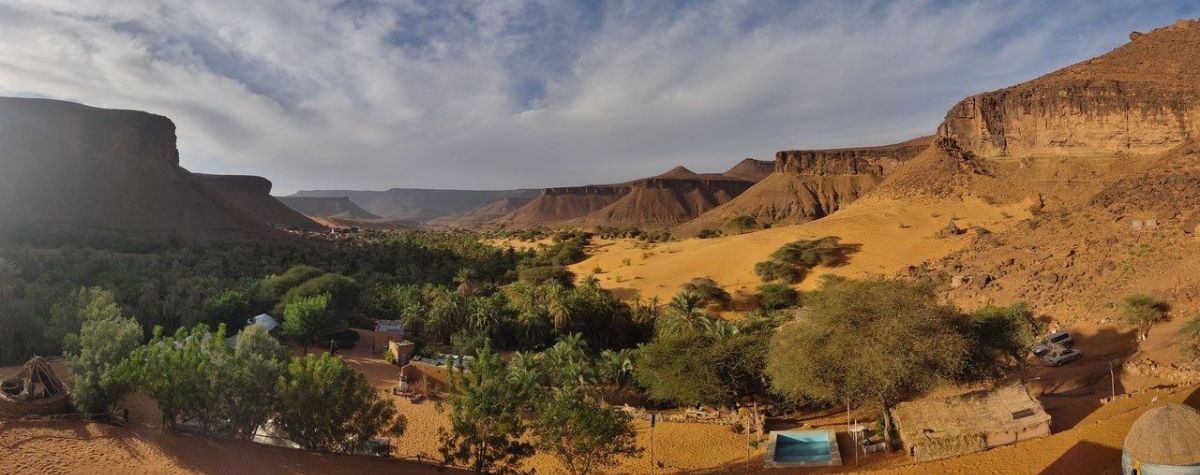
FAO reported on November 6 that solitarious and transiens breeding in northwestern Mauritania had increased Desert Locust populations and produced a few groups of adults and hoppers. Solitarious adults were also present in northern Mauritania and Chad, while a few isolated adults were recorded in southern Egypt. No locusts were observed in several other surveyed countries and territories.
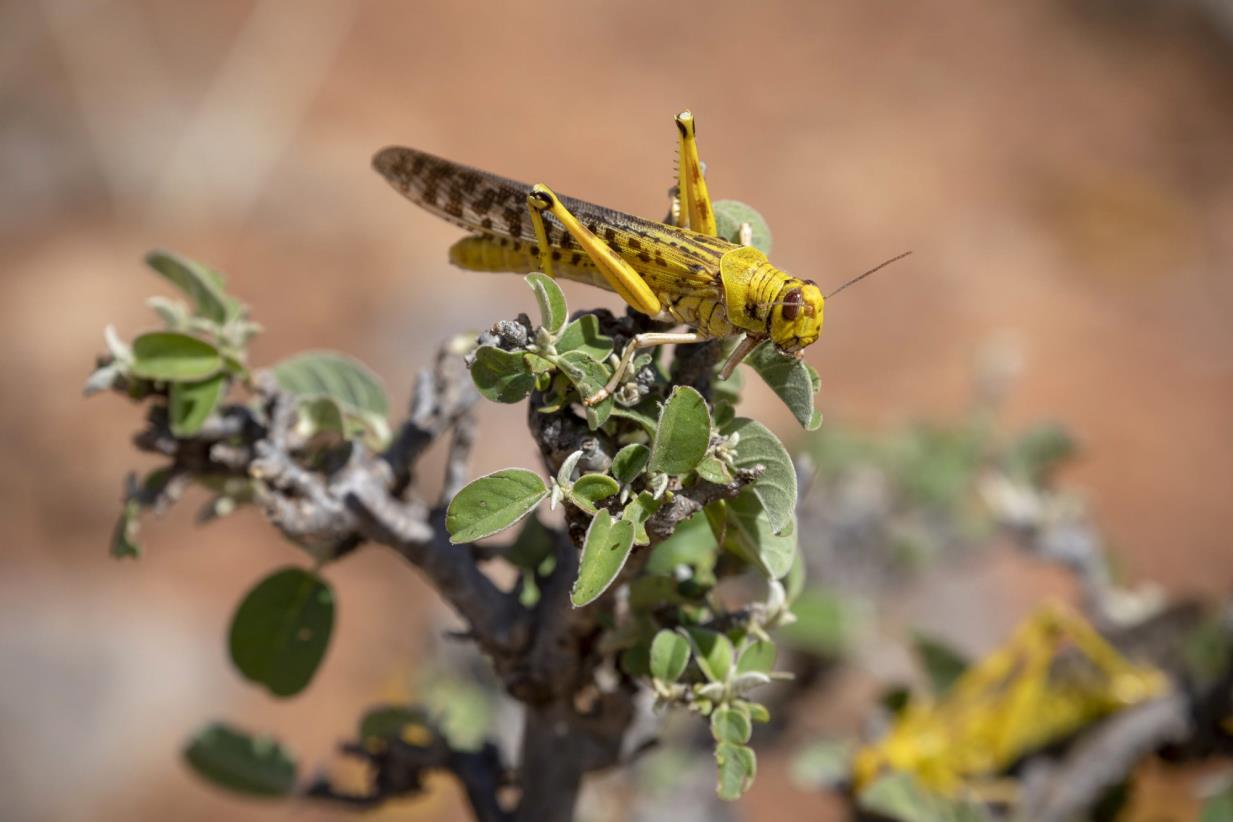
Ground control operations treated 80 ha (198 acres) during October. During the following six-week forecast period, breeding was expected to continue in northwestern Mauritania, with additional hopper groups and bands forming before fledging produced more adult groups. FAO said a second generation of breeding could start from late November.
Breeding was also considered probable in northern Mali, Western Sahara and southern Algeria. FAO forecast further population increases across the Western Region and said outbreaks could develop in central and northern Mauritania and may develop in northern Mali and Niger, Western Sahara and southern Algeria. Surveys were to be increased, control operations were required in Mauritania, and surveillance was to resume in northern Niger, Chad and southern Algeria.
FAO’s operational forecast distinguishes between populations already observed in Mauritania and outbreaks that could develop later. The latter remain forecast outcomes rather than confirmed events.
A November 19 seasonal precipitation outlook attributed to FAO and distributed through ReliefWeb covers the Desert Locust winter and spring breeding period from December 2026 through May 2027. It separates forecast conditions across the Western, Central and Eastern Regions and identifies several areas where rainfall may support continued or renewed breeding.
| Region | Seasonal precipitation signal | Locust implication described in the outlook |
|---|---|---|
| Western Region | Above-normal rainfall likely in parts of the northern Sahel in December; wetter-than-average conditions from February in Mauritania and Western Sahara, potentially extending toward southern Algeria | Ongoing breeding in Mauritania and Western Sahara may continue or expand; later conditions may support breeding farther north |
| Central Region | Rain likely around the Red Sea and Gulf of Aden from early December, becoming much heavier in February and continuing through March | Conditions may support winter breeding along coastal areas and spring breeding farther inland |
| Eastern Region | Near- to above-normal rainfall during parts of December–May | Small-scale spring breeding may occur in Iran and Pakistan |
In the Western Region, above-normal rainfall is likely across parts of the northern Sahel during December. Light rainfall in Mauritania and Western Sahara may favor continuation and expansion of breeding already underway, while wetter-than-average conditions forecast from February may persist into spring and extend toward southern Algeria.
The forecast period begins while breeding is already active in Mauritania. FAO’s November 6 operational assessment expected populations to increase further across parts of the Western Region and retained the possibility of outbreaks developing in several areas if breeding continued.
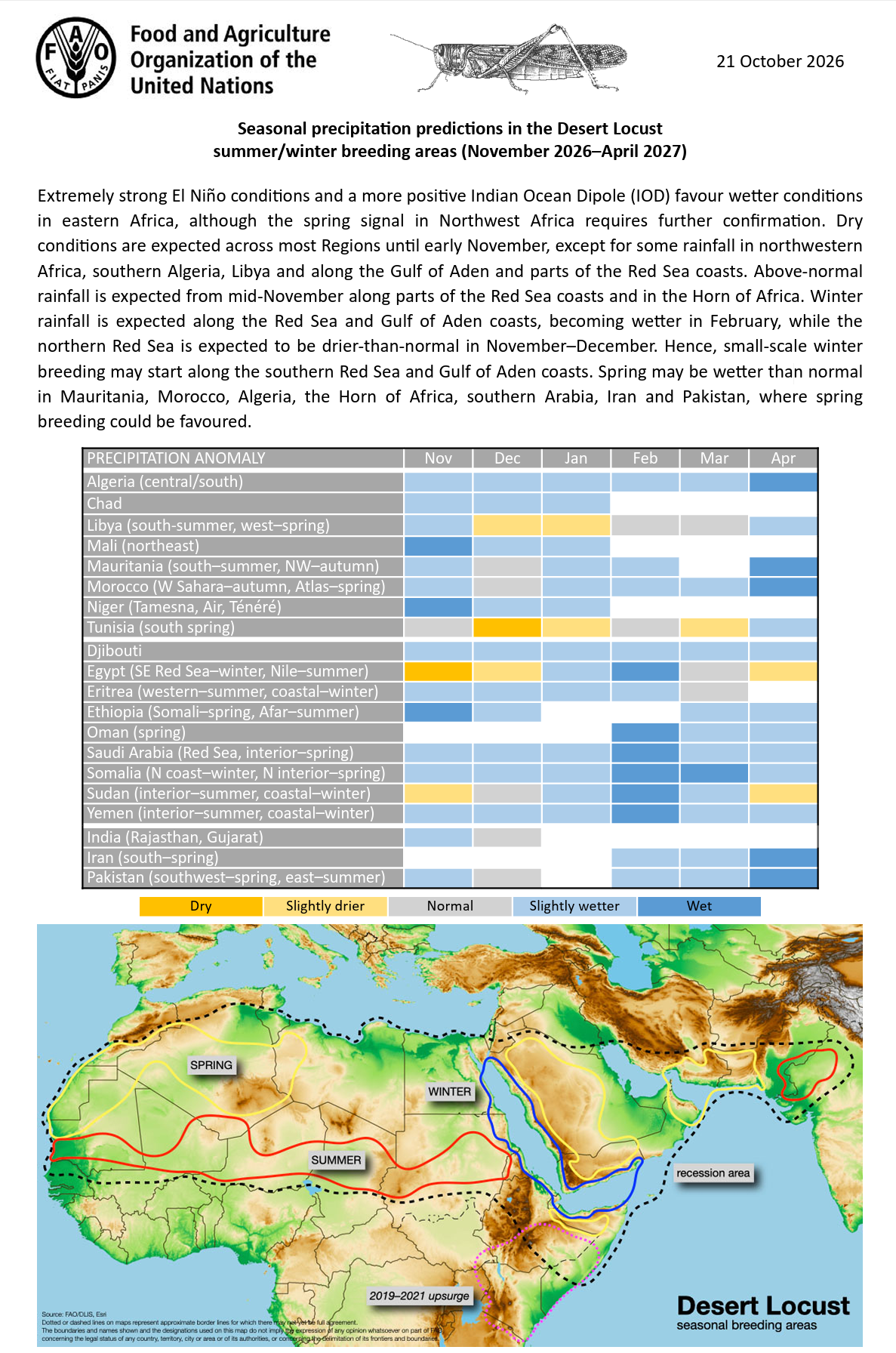
In the Central Region, rainfall is likely around the Red Sea and Gulf of Aden from early December, becoming much heavier in February and continuing through March. FAO’s November 6 operational bulletin separately said small-scale winter breeding was likely to start on Red Sea and Gulf of Aden coastal plains that had received recent rainfall, although no significant developments were expected during that shorter forecast period.
The seasonal outlook extends the monitoring period farther into 2027, with rainfall capable of supporting breeding along coastal areas during winter and in interior areas during spring. These are forecasts of environmental conditions favorable for breeding; they do not establish that large locust populations, bands or swarms will develop in the areas identified.
In the Eastern Region, near- to above-normal rainfall from December through May may allow small-scale spring breeding in Iran and Pakistan. FAO reported on November 6 that no locusts had been observed in India or Iran and that no significant developments were expected in the Eastern Region during its immediate six-week forecast period.
What FAO means by “Caution”
FAO uses four Desert Locust warning levels: Calm, Caution, Threat and Danger. Caution denotes a potential threat to crops, requires increased vigilance and means control operations may be needed. It is below Threat, which requires survey and control operations, and Danger, which denotes a significant threat requiring intensive operations.
The precipitation outlook comes during a strong-to-very-strong El Niño. NOAA’s Climate Prediction Center reported on November 12 that El Niño was continuing to strengthen and was likely to remain strong to very strong through January–March 2027, with probability remaining above 79%.
NOAA reported Niño-3.4 sea-surface temperature anomalies of +2.5°C, Niño-3 anomalies of +3.6°C and Niño-1+2 anomalies of +4.4°C. The agency cautioned that even during a very strong El Niño, typical regional impacts become more probable rather than guaranteed.
FAO’s earlier seasonal assessment linked extremely strong El Niño conditions and a positive Indian Ocean Dipole with wetter conditions in eastern Africa. The climate signal is relevant to locust monitoring because rainfall affects soil moisture and vegetation in breeding areas, but the presence of favorable rainfall alone does not establish a locust outbreak.
Keep reading
FAO’s Desert Locust Information Service combines field observations with environmental information when assessing breeding conditions and preparing forecasts. Its seasonal precipitation products are derived from multiple climate models and include six-week and six-month regional analyses, forecast maps and assessments of potential effects on locust breeding.
FAO says nine climate models are examined in detail in the seasonal precipitation process. The resulting products compare expected rainfall with historical conditions across Desert Locust breeding countries and provide a planning layer for surveillance and preventive control.
How field observations reach FAO’s early-warning system
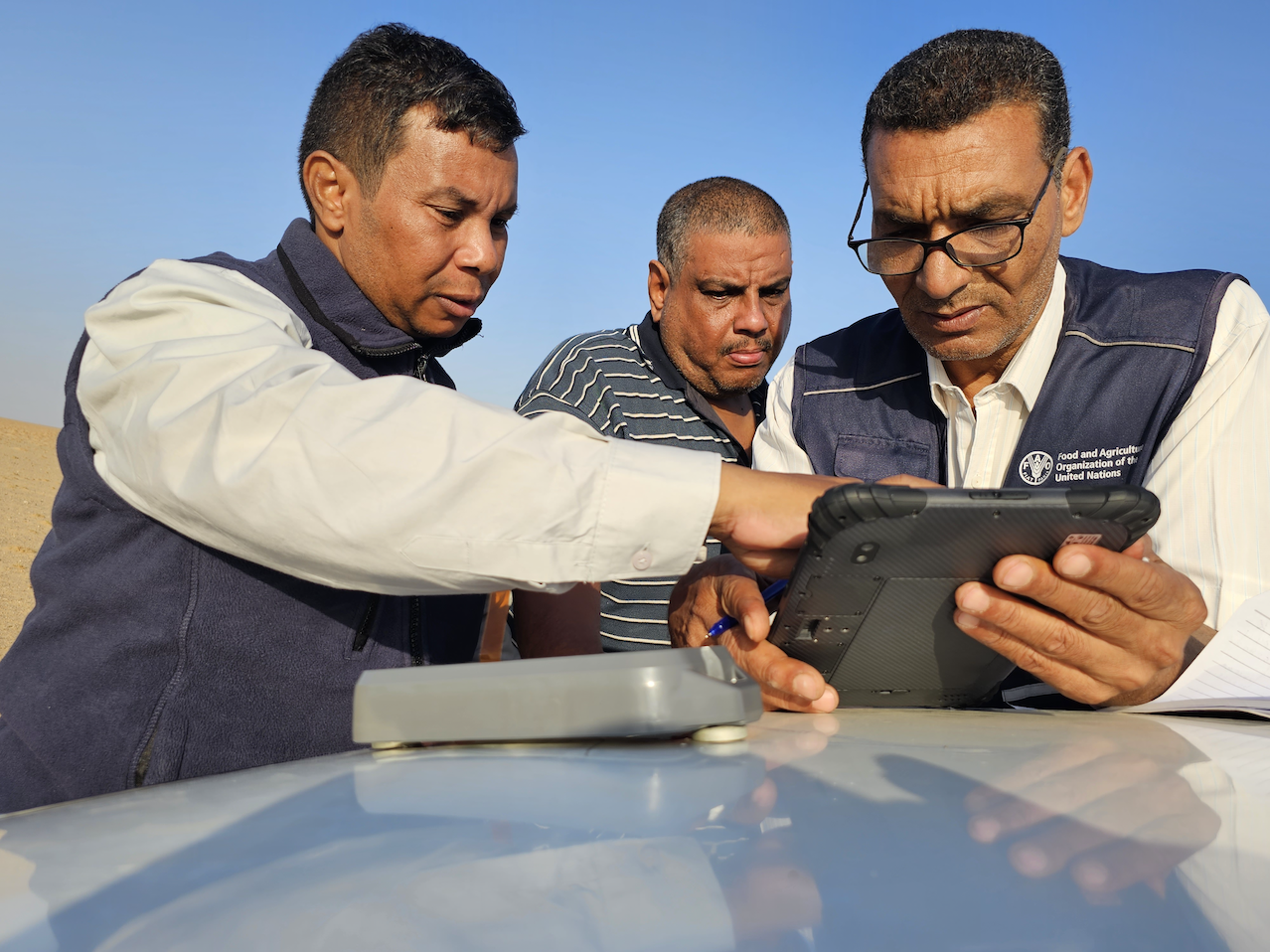
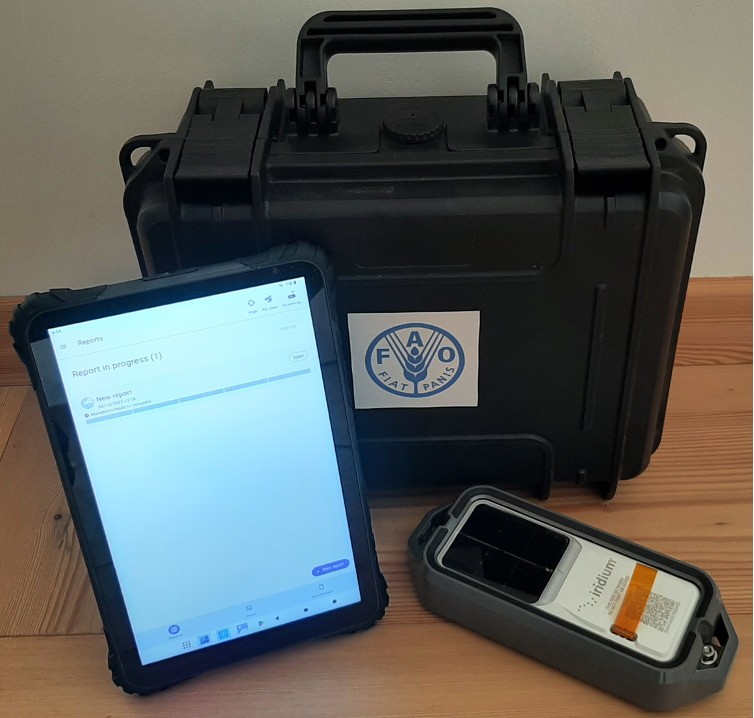
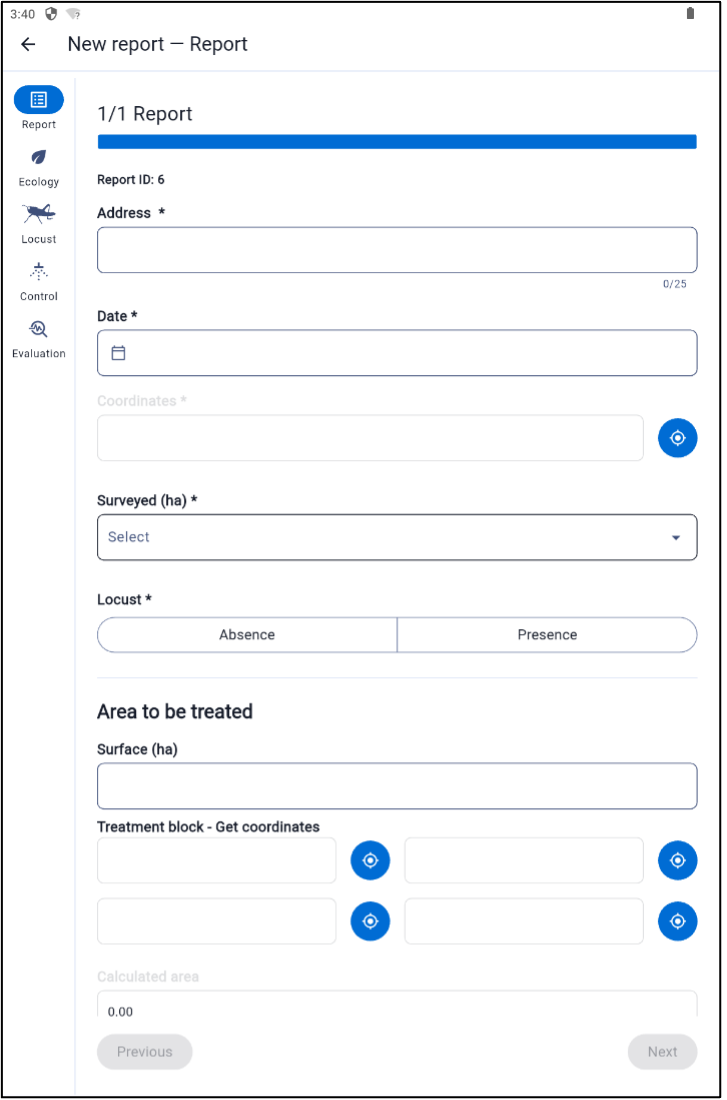
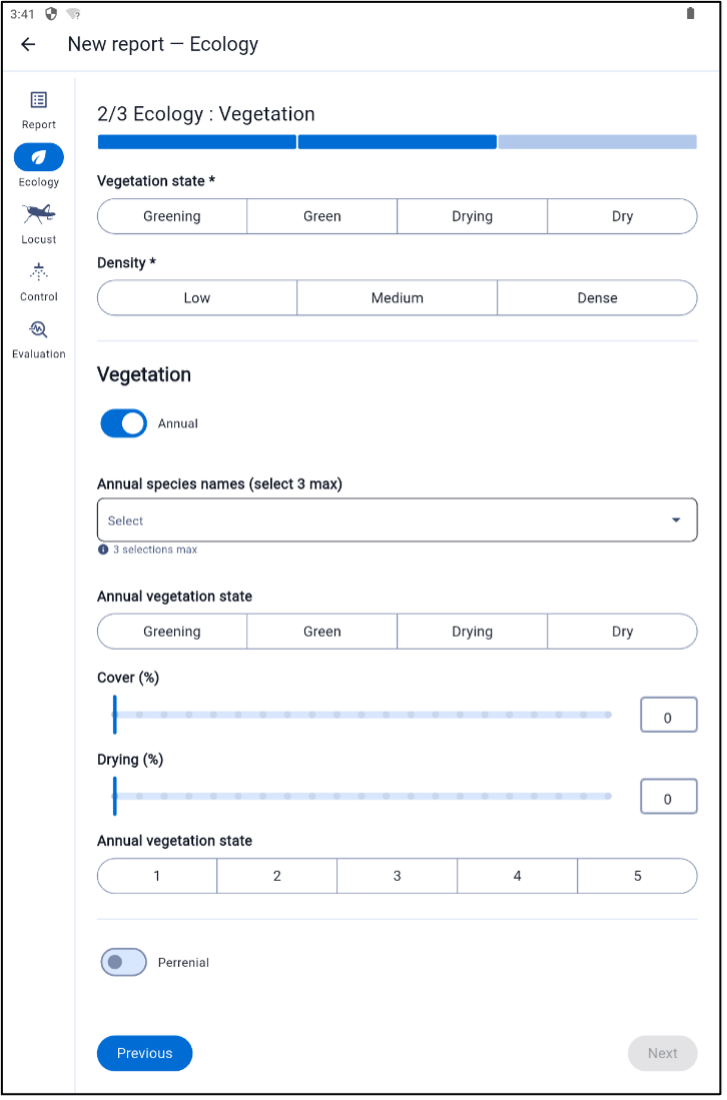
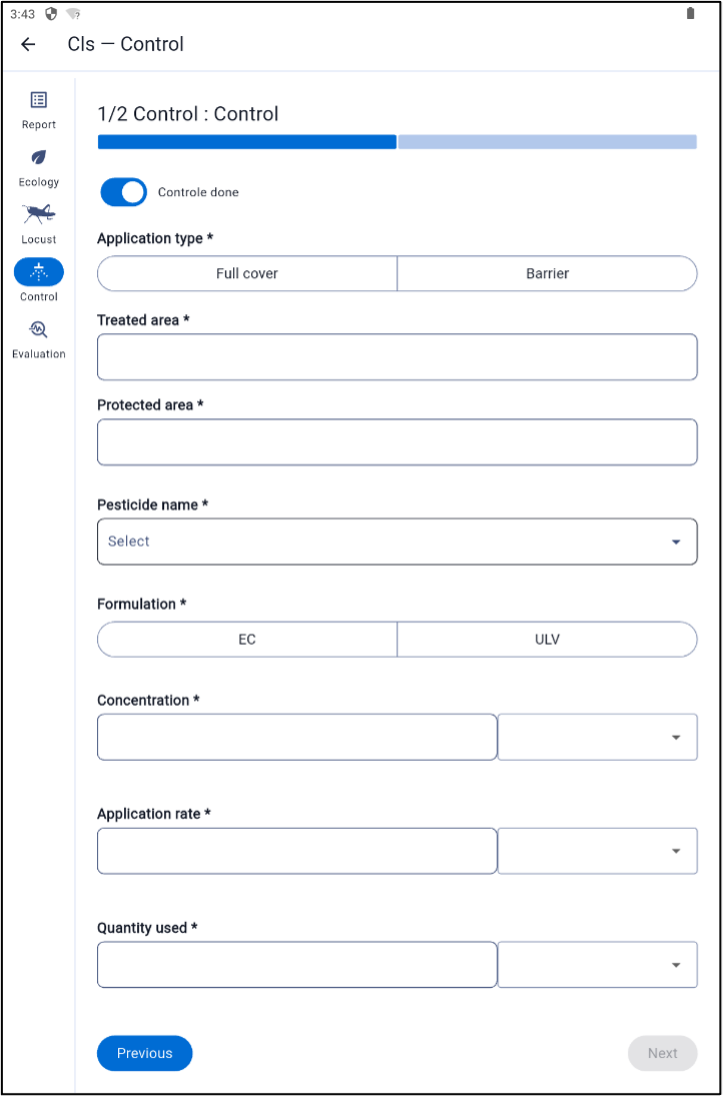
National survey and control officers use eLocust4 to record location, habitat, soil moisture, vegetation, recent rainfall, locust stage and density, and control information. Reports are transmitted by satellite from the field to national locust centres and feed the global monitoring and early-warning system operated by FAO’s Desert Locust Information Service in Rome.

Operational monitoring was continuing in Mauritania as the seasonal outlook entered its December–May period. FAO’s Commission for Controlling the Desert Locust in the Western Region organized a regional assessment mission from November 24 to December 3, 2026, following renewed Desert Locust activity from mid-October.
The mission was tasked with assessing the extent of infestations in the field, reviewing the effectiveness of ongoing survey and control operations, evaluating national capacities and support requirements, and preparing recommendations to strengthen regional preparedness and response.
FAO’s Locust Watch system currently classifies the Desert Locust situation as Caution. Under the agency’s warning system, that level denotes a potential threat to crops requiring increased vigilance, with control operations potentially needed.
| Verified status | What is established |
|---|---|
| Observed | Adult and hopper groups formed in Mauritania during October; ground teams treated 80 ha (198 acres) |
| Forecast | Further breeding and additional groups or bands are expected in parts of the Western Region; outbreaks could develop in several areas |
| Seasonal outlook | Rainfall during December 2026–May 2027 may favor breeding in parts of the Western, Central and Eastern Regions |
| Not established | No verified regional swarm crisis, widespread crop-loss emergency or confirmed major outbreak is established by the sources used here |
| Official level | FAO Locust Watch: Caution |
Field teams in Mauritania were still assessing infestation extent and the effectiveness of ongoing control operations during the November 24–December 3 mission. The next operational assessments will show whether breeding remains concentrated or develops toward the wider outbreaks that FAO identified as possible across parts of the Western Region.
References:
1 Locust Watch: Seasonal precipitation predictions in the Desert Locust winter and spring breeding areas (December 2026–May 2027) (19 November 2026) – Food and Agriculture Organization of the United Nations / ReliefWeb – November 19, 2026
2 6 November 2026: Groups form in Mauritania – Food and Agriculture Organization of the United Nations – November 6, 2026
3 Assessment Mission of the Desert Locust Situation in Mauritania – FAO Commission for Controlling the Desert Locust in the Western Region – November 24–December 3, 2026
4 ENSO Diagnostic Discussion – NOAA Climate Prediction Center – November 12, 2026
5 Precipitation predictions – Food and Agriculture Organization of the United Nations – accessed November 26, 2026
6 Desert Locust Bulletins and warning levels – Food and Agriculture Organization of the United Nations – accessed November 26, 2026
7 eLocust4: Desert Locust data sent via satellite – Food and Agriculture Organization of the United Nations – accessed November 26, 2026

I’m a science journalist and researcher at The Watchers, contributing to the Epicenter edition, where I cover peer-reviewed scientific research and emerging discoveries across Earth and space sciences. With a background in astronomy and a passion for environmental science, I’ve worked in shark and coral conservation in Fiji, conducting reef and shark-behavior research, contributing to mangrove restoration, and earning PADI Open Water and Coral Reef Certifications. I bring a blend of scientific rigor and storytelling to illuminate the discoveries shaping our planet and beyond.
More reporting
- Door County winters are warming fast, but the snowfall record is harder to read
- Mount St. Helens lost 1,314 feet off its top in one morning in 1980, when its north side slid away in the largest landslide ever recorded
- Recurrent flooding linked to higher odds of depression, anxiety and stress among farmers in southern Thailand
- New mapping finds widespread landslide susceptibility along Amarnath pilgrimage corridor, India
