• Sudden blast of asteroid 2023 CX1 over France reveals new impact risk

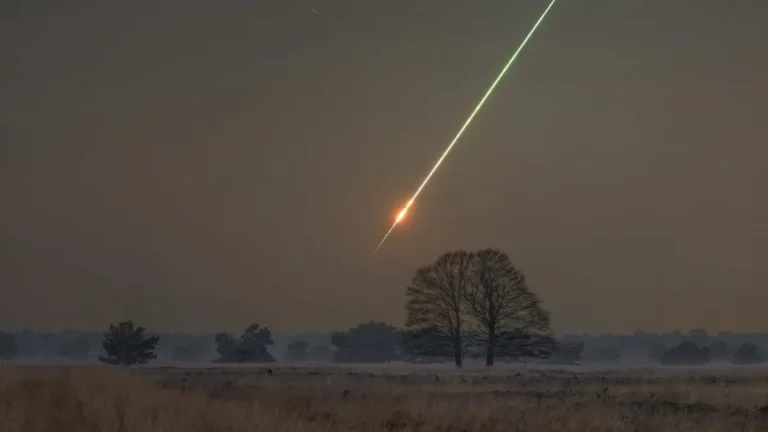
    Asteroid 2023 CX1 fragmented abruptly instead of breaking apart gradually. At a dynamic pressure of 4 MPa, it disintegrated almost instantly, releasing 98% of its total energy in a concentrated region at 28 km (17 miles) altitude. This sudden failure produced a spherical shock wave, unlike the usual cylindrical energy distribution of most fireballs. Calculations…
  • What the Toba super-eruption 74 000 years ago reveals about human survival

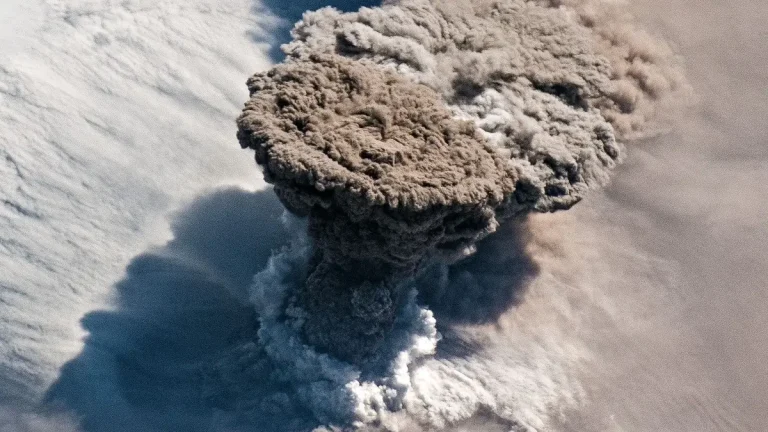
    The Toba super-eruption in present-day Indonesia about 74 000 years ago ejected 2 800 km3 (672 mi3) of ash and formed a 100 x 30 km (62 x 18 miles) wide caldera. Once thought to have nearly wiped out our species, evidence now shows that resilience and adaptability, not collapse, defined humanity’s survival.

  • Hidden tectonic stress along a 250 km (155 miles) Himalayan stretch raises earthquake risk in Uttarakhand

    Geoscientists have identified a 250 km (155 miles) locked stretch of the Uttarakhand Himalayas where tectonic stress is building, warning it could unleash a powerful quake with major consequences for the region.

  • Scientists uncover the mystery of toxic “halo” barrels off the Los Angeles coast

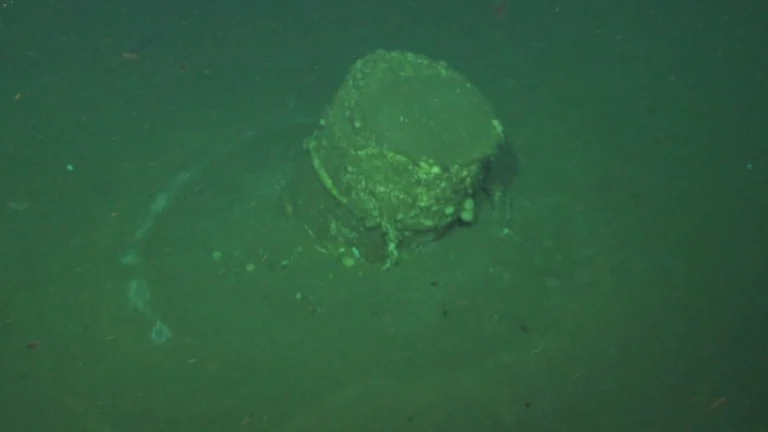
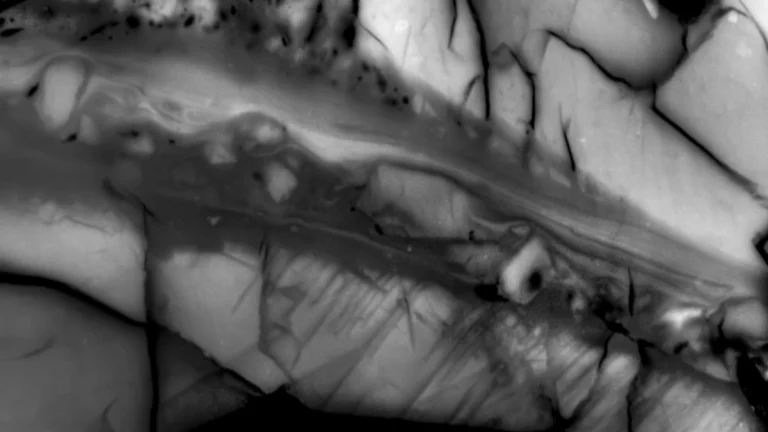
    Scientists have found that the toxic DDT barrels dumped off the coast Los Angeles, California, have been leaking alkaline waste into the ocean floor. This has drastically changed the ocean floor environment around the barrels, resulting in the ghostly halos around the barrels and creating conditions similar to deep-sea hydrothermal vents and alkaline hot springs.

  • Earth’s axis wobble recorded with unmatched precision

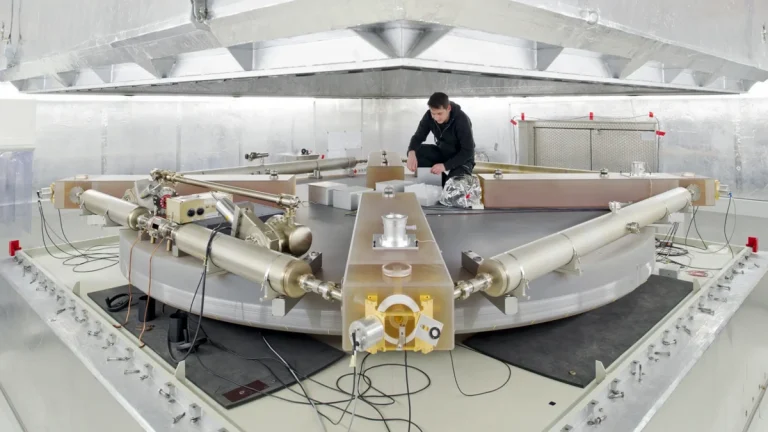
    Researchers at the Technical University of Munich measured Earth’s axis precession and nutation at the Geodetic Observatory Wettzell, Bavaria, over 250 days, achieving 100 times higher precision than previous methods. The ring laser experiment provided sub-hour resolution and immediate results, marking a major advance over the global VLBI network.

  • Collapse of Panama’s seasonal upwelling cycle signals pattern disruption

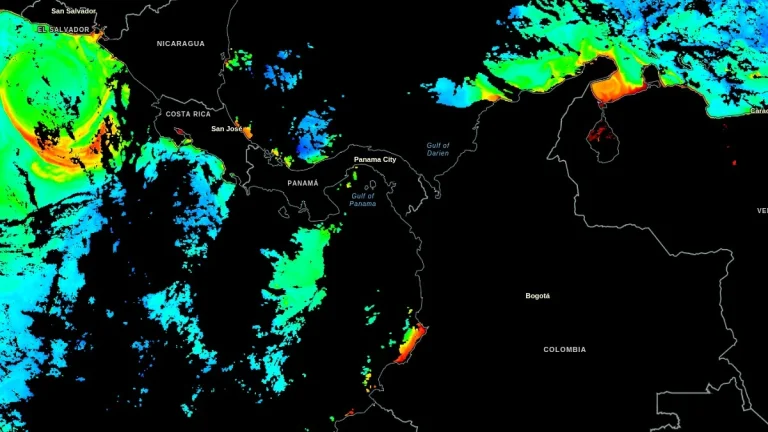
    The collapse of Panama’s seasonal wind-driven upwelling cycle between January and April 2025 marked the first observed disruption in over four decades of records, breaking a long-standing physical pattern that supports marine productivity and buffers coastal ecosystems from thermal stress. Patterns like these are tracked because their consistency signals system stability and their collapse may indicate underlying shifts in climate dynamics.

  • 125 years since the 1900 Galveston Hurricane, the deadliest natural disaster in U.S. history

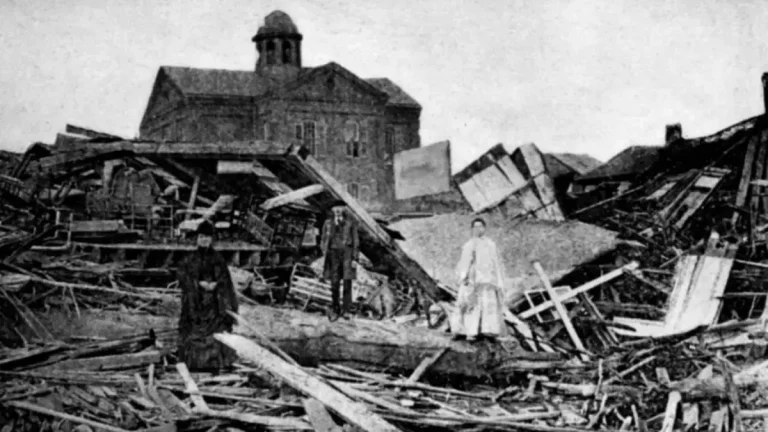
    A major hurricane struck Galveston Island, Texas, on September 8, 1900, exactly 125 years ago, producing a catastrophic storm surge and winds that killed an estimated 6 000–12 000 people and destroyed much of the city. In less than 24 hours, Galveston changed from a thriving port city into a flattened landscape of wreckage. It remains the deadliest natural disaster in U.S. history.

  • Study links plume–plate interaction to volcanism, seismicity, and geothermal potential in Britain and Ireland

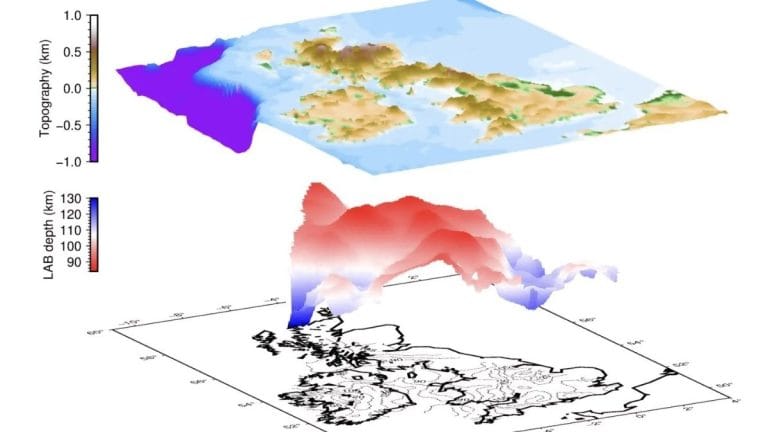
    Variations in lithospheric thickness controlled volcanism across the North Atlantic Igneous Province, from Scotland to Greenland, a study published in Nature Communications on August 22, 2025, shows. Using seismic tomography and a new method called seismic thermography, researchers from the University of Cambridge found that volcanic centers formed where the lithosphere was anomalously thin, allowing plume material to spread laterally over thousands of kilometers. The same structures continue to guide seismicity in Britain and Ireland and coincide with regions of elevated geothermal potential.