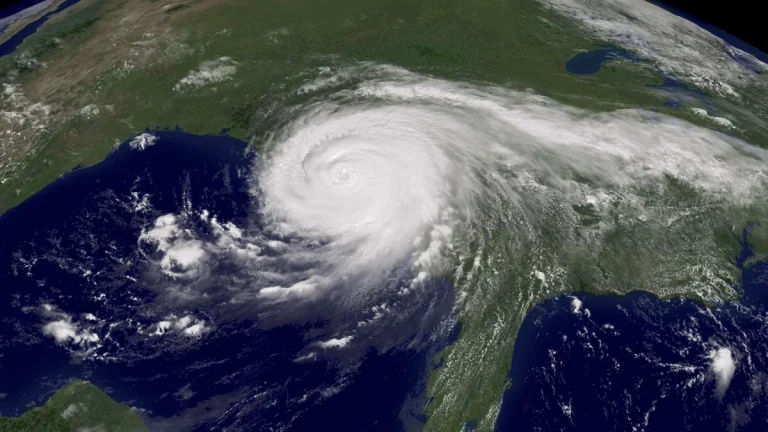
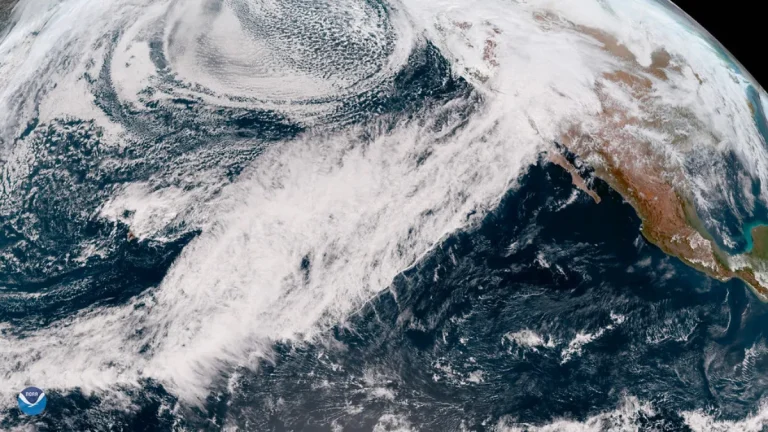
Hurricane Katrina, one of the deadliest and costliest hurricanes in U.S. history, devastated the Gulf Coast in August 2005, leaving nearly 2 000 dead and causing over USD 100 billion in damages.
Originating as a tropical depression in the Bahamas on August 23, Katrina rapidly intensified into a Category 5 hurricane in the Gulf of Mexico. Making landfall in Florida, Louisiana, and Mississippi, Katrina unleashed catastrophic storm surge, and flooded 80% of New Orleans causing levee failures, and destructive winds across the Southeast.
The storm exposed critical forecasting limitations of the time and reshaped U.S. disaster preparedness, standing as a benchmark for how hurricanes are tracked, predicted, and remembered.