
When Arctic air reached South Florida in January 2020, Miami fell to 40°F and the National Weather Service warned residents to watch for cold-stunned iguanas dropping out of the trees
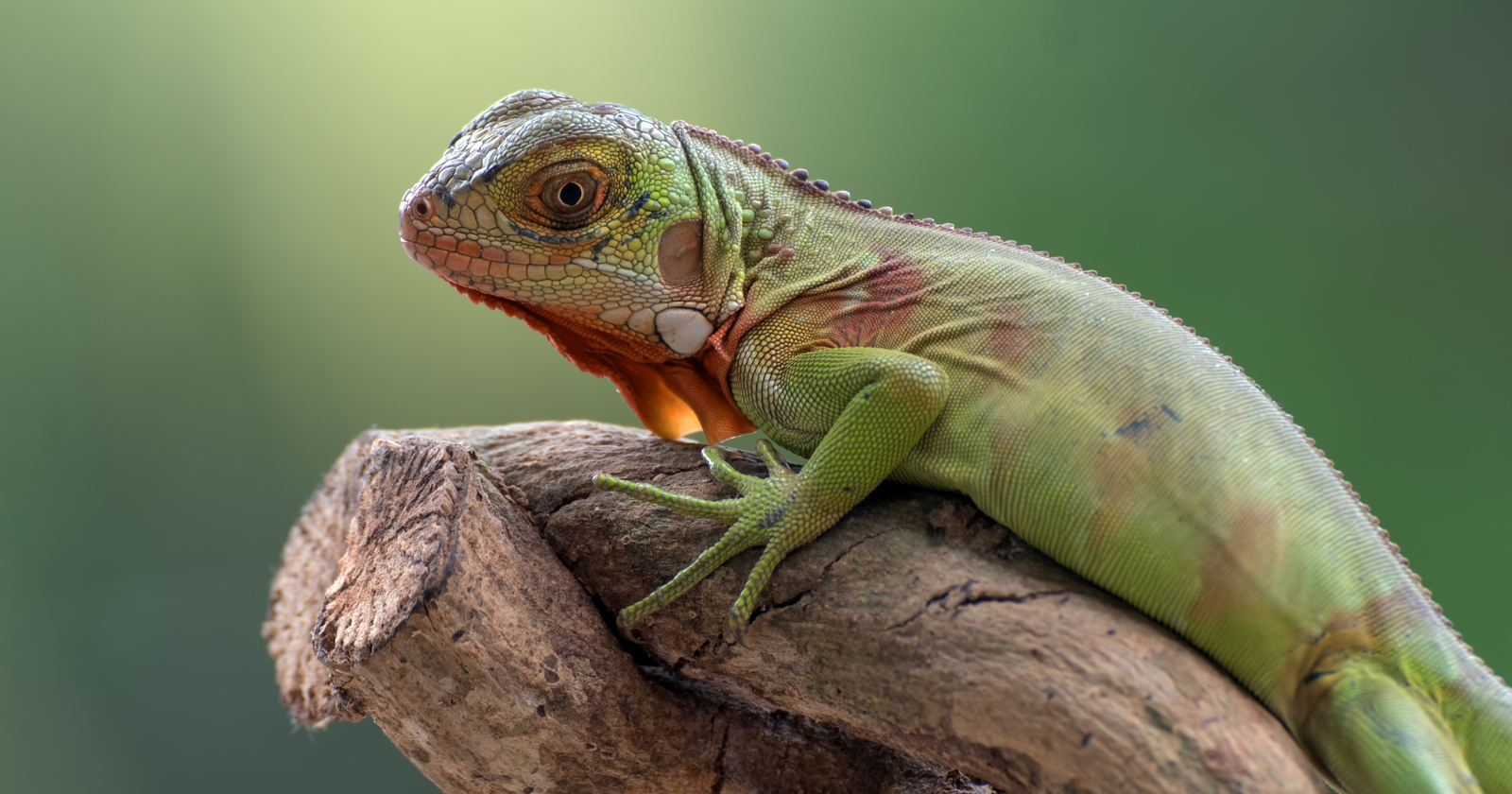
On the evening of January 21, 2020, the National Weather Service office in Miami posted a warning it admitted it didn’t usually issue. As temperatures dropped into the 30s and 40s overnight, residents shouldn’t be surprised to see iguanas falling from the trees.
By the next morning, social media was full of photos: green lizards lying motionless on lawns, sidewalks and pool decks across South Florida. They looked dead. Most of them weren’t.
A rare cold night in Miami
South Florida is known for warm winters, with daytime highs usually in the 70s even in January. But every few years, a strong push of Arctic air makes it all the way down the peninsula.
On January 22, 2020, Miami International Airport recorded a low of 40°F, the city’s coldest temperature in more than nine years. With the wind, it felt like the mid-30s. Parts of the region dipped into the upper 30s. It wasn’t a record, since Miami’s lowest reading for that date was 30°F in 1985, but it was a shock for a city that rarely needs a coat.
Why iguanas fall from trees
Green iguanas are cold-blooded, which means their body temperature depends on their surroundings. They spend much of their time resting in trees, often over water, and soaking up warmth from the sun.
When temperatures fall into the 40s, an iguana’s body slows down dramatically. It enters a state called torpor and can no longer move or grip properly. Iguanas resting on branches can lose their hold and drop to the ground, where they lie stiff and apparently lifeless.
Stunned, not dead
In most cases, the iguanas recover once the sun comes out and temperatures rise. Within hours, many of the “frozen” lizards on the ground in 2020 had warmed up and scurried off.
If the cold lasts for days, though, it can kill them. In January 2010, a long cold spell killed large numbers of iguanas in South Florida, along with many fish, manatees and sea turtles that also struggle in cold water.
An invasive species with a weakness
Green iguanas aren’t native to Florida. They come from Central and South America and first spread in the state largely through escaped or released pets. They’re now common across South Florida, where they dig burrows that can damage seawalls and foundations, and eat landscaping plants.
Cold snaps are one of the few natural checks on their numbers. Florida wildlife officials treat iguanas as an invasive species, and property owners are generally allowed to remove them from their own land.
Could it happen again this winter?
This winter may bring more chances for Florida cold snaps than usual. A very strong El Niño is under way in the Pacific, and El Niño winters in Florida often bring more clouds and rain, which can mean cooler-than-average days.
At the same time, the polar vortex high above the Arctic was disrupted earlier this month, earlier than ever recorded. That raises the chance of Arctic air pushing far south later in the season, though forecasters say any cold outbreaks are far from certain. If a strong cold front does reach South Florida, iguana warnings could return.
What to do if you find a stunned iguana
If you find a cold-stunned iguana, leave it alone. It will usually recover on its own as temperatures rise. Don’t bring it indoors or into your car to warm it up. As it wakes, it can become frightened and defensive, and adult iguanas can bite and lash out with their tails.
During a cold snap, focus on protecting people and pets. Bring pets inside, cover sensitive plants, and check on older neighbors who may not have reliable heating. Keep an eye out under trees, too. A falling iguana can weigh several pounds.

The Watchers Staff covers earthquakes, volcanoes, severe weather, space weather and other natural events. Published since 2011, The Watchers reports on a changing planet and the science behind it.
Published in the last 24 hours
- In May 2024, the strongest solar storm in 20 years put northern lights over the southern US, and across the Plains, GPS-guided tractors built to plant within an inch drifted about 10 feet off their rows Epicenter
- In 1943, a flight instructor in Texas flew a two-seat training plane into the eye of a hurricane because he was curious, then landed and took the base weatherman up for a second pass Epicenter
- A soy sauce maker used fire to guide villagers through Japan’s 1854 tsunami, then funded a seawall that protected most of Hiro in 1946 Epicenter
- In 2013 a landslide fell onto Svínafellsjökull in southeast Iceland, leaving thicker ice at the foot of the slope; that ice is now moving away and the mountainside has shifted 1 to 3 cm. Epicenter
