
Mount Pinatubo in the Philippines sits about 7,000 miles from California, yet after it erupted in 1991 the whole planet cooled by about 1°F for nearly two years, because the sulfur it blasted into the sky formed a thin haze that bounced sunlight back into space
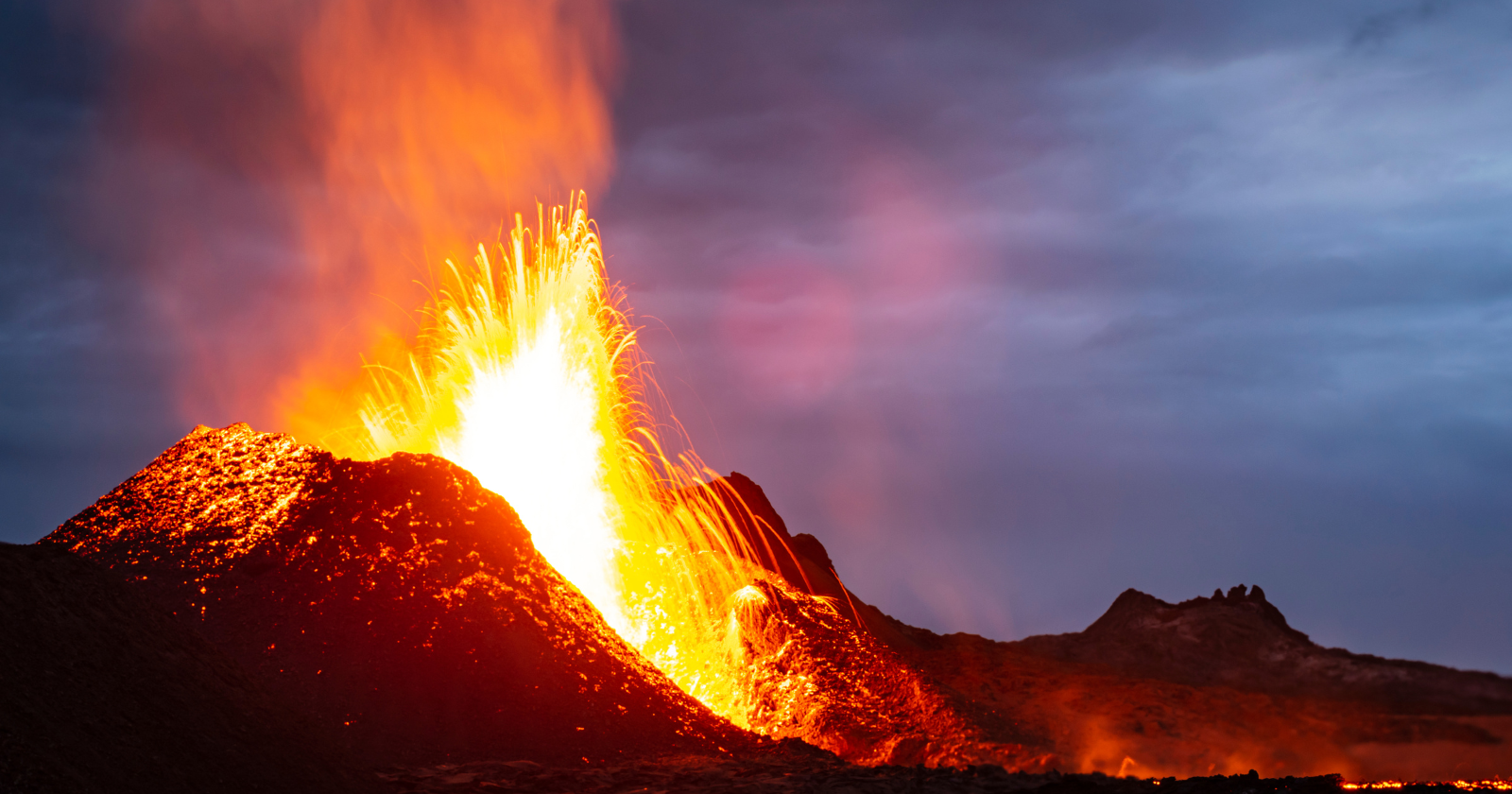
On June 15, 1991, a mountain on the Philippine island of Luzon tore itself open. Mount Pinatubo, which had been quiet for about 500 years, sent a column of ash and gas more than 20 miles into the sky.
Within weeks, part of that eruption had spread around the world. Over the following two years, it did something no human effort had ever done: it measurably cooled the entire planet.
The second-largest eruption of the century
Pinatubo’s eruption was the second-largest of the 20th century, after the 1912 eruption of Novarupta in Alaska. It blasted out around 5 cubic kilometers of material, buried the surrounding landscape in ash and turned day into night across much of the region.
Making things worse, Typhoon Yunya passed nearby at the same time. Its heavy rain soaked the falling ash, turning it into a wet, heavy cement that collapsed roofs. Hundreds of people died, but scientists had predicted the eruption in time to evacuate tens of thousands of people, including from nearby Clark Air Base. Those warnings are credited with saving thousands of lives.
A haze in the stratosphere
The ash fell back to earth within days. The gas was different. Pinatubo injected about 15 million tons of sulfur dioxide into the stratosphere, the stable layer of the atmosphere that begins around 6 to 10 miles up.
There, the sulfur dioxide reacted with water vapor to form tiny droplets of sulfuric acid. Satellites showed the haze circling the globe within about three weeks and covering virtually the whole planet within a year. Because there’s no rain in the stratosphere to wash it out, the haze stayed there for years.
How the planet cooled
Those tiny droplets act like a thin veil. They reflect a small share of incoming sunlight back into space before it reaches the ground. With slightly less sunlight arriving, the Earth’s surface cools.
Over the next year or so, average global temperatures dropped by about 1°F, or roughly 0.5°C. The cooling lasted for almost two years before the haze thinned and temperatures recovered. NASA climate scientists had predicted the cooling in advance using computer models, and the result became a major test of how well those models worked.
Strange side effects
The haze had other effects too. People around the world saw unusually vivid red and orange sunsets in 1991 and 1992 as sunlight scattered through the particles.
Pinatubo also temporarily worsened the depletion of the ozone layer, because chemical reactions on the surface of the droplets helped break down ozone. And in a surprising twist, models suggest the eruption contributed to an unusually warm winter in parts of Europe in 1991 to 1992, by shifting wind patterns over the North Atlantic.
Why scientists still study Pinatubo
Pinatubo remains one of the best-studied eruptions in history. It was the first time satellites could track a major volcanic cloud and its effects on climate in detail. That data still helps scientists understand how the atmosphere responds to sudden changes.
It’s also at the center of a debate about geoengineering. Some researchers have studied whether deliberately adding particles to the stratosphere could temporarily offset global warming. Pinatubo showed it could cool the planet, but also that it can affect rainfall, ozone and regional weather in ways that are hard to predict.
What a major eruption could mean today
Large eruptions like Pinatubo are rare, happening perhaps a few times a century. When one occurs, scientists watch the amount of sulfur that reaches the stratosphere closely. Smaller eruptions, or ones that don’t reach high enough, usually have little effect on global climate.
If another eruption on Pinatubo’s scale happened, its effects could show up in seasonal forecasts within months, including cooler summers in some regions. For people near volcanoes, the most important lesson is closer to home: follow official alerts, and evacuate when told to. In 1991, those warnings saved thousands of lives.

The Watchers Staff covers earthquakes, volcanoes, severe weather, space weather and other natural events. Published since 2011, The Watchers reports on a changing planet and the science behind it.
Published in the last 24 hours
- A tangled sunspot cluster about 93 million miles away doubled in size in a single weekend earlier this month and fired 20 solar flares in one day, and forecasters gave it a small chance of producing an X-class flare, the most powerful kind the Sun is known to unleash
- A ring of wind spinning about 19 miles above the Arctic, far higher than any passenger jet flies, has started breaking apart weeks earlier than ever recorded, and forecasters say the cold it was holding in place could spill into the US and Europe within weeks
- US flights resume after FAA lifts nationwide ground stop that lasted more than four hours
- Second nationwide US flight halt since 9/11: how the November 13 FAA ground stop compares with September 2001 and January 2023 Epicenter
