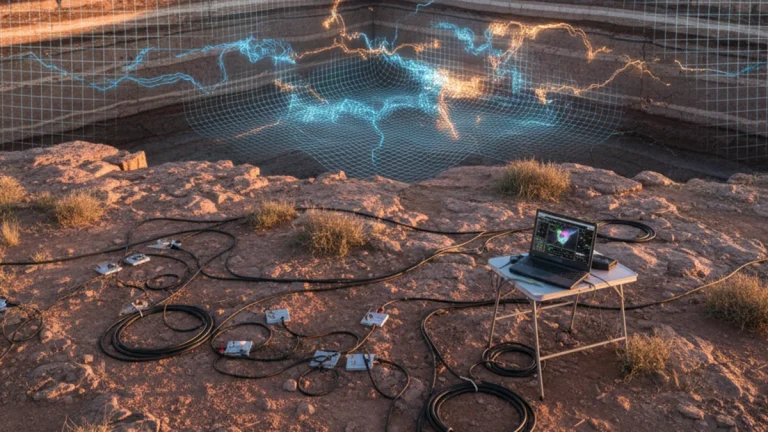
• Research explains link between X-rays, gamma rays, and lightning initiation

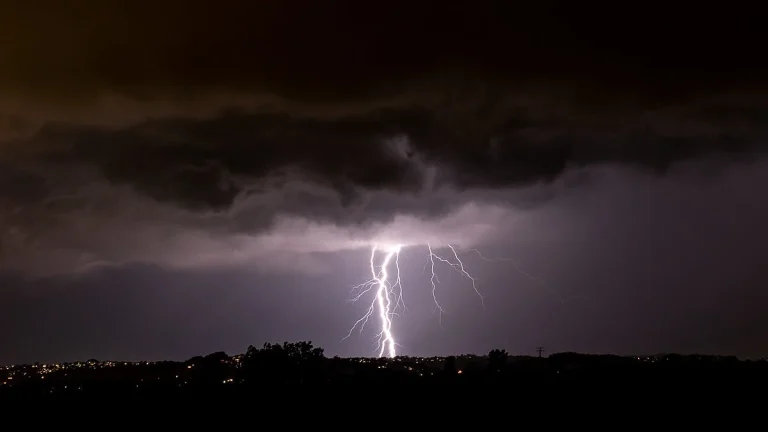
    A study published in the Journal of Geophysical Research finds that strong electric fields in thunderclouds can accelerate electrons, creating runaway avalanches that emit X-rays and gamma rays, a process connected to the conditions that lead to lightning initiation.

  • Earth’s 6-year day-length oscillation briefly faltered in 2010

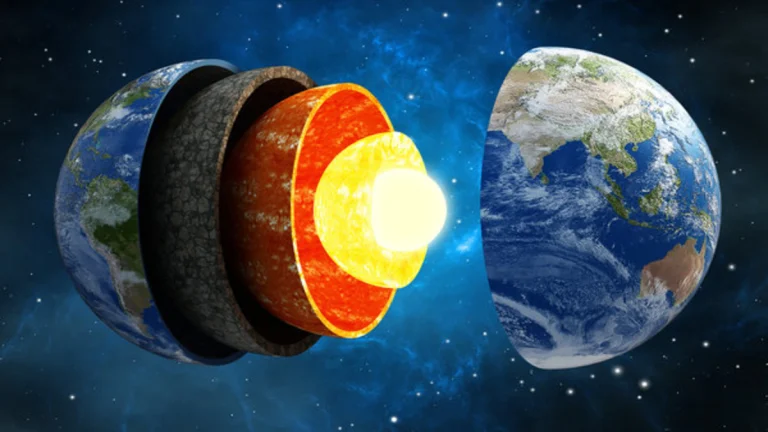
    A study published in Geophysical Journal International on August 28, 2025 finds that a normally persistent 6-year oscillation in Earth’s length-of-day broke down between 2010 and 2014, with a short-lived 4.7-year interval, and that the event is contemporaneous with changes in geomagnetic field behaviour and core-flow models.

  • Study shows Earth’s carbon thermostat can overshoot, triggering ice ages

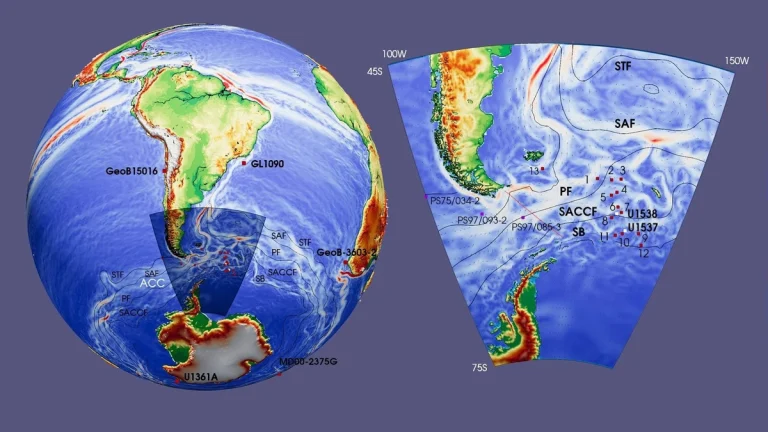
    Researchers at the University of California, Riverside, published a study in Science on September 25, 2025, showing that Earth’s long-term carbon regulation system can sometimes overcorrect. Their model suggests that warming events may, under certain conditions, tip into ice-age–scale cooling over hundreds of thousands of years.

  • Intense earthquake swarm beneath Santorini and Kolumbo volcano caused by magma intrusion

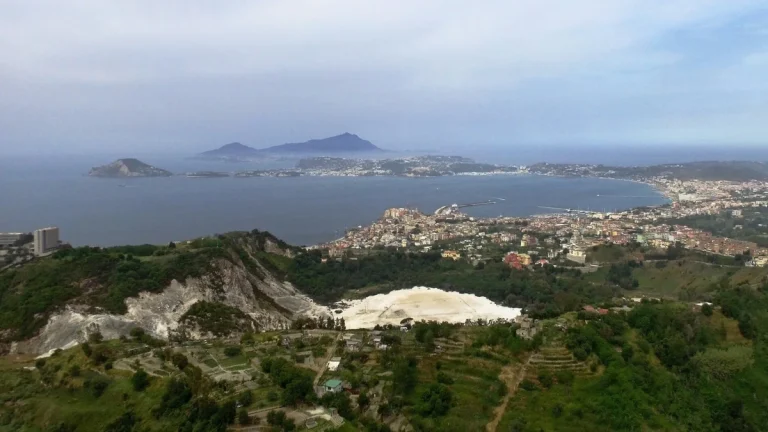
    More than 28 000 earthquakes shook Santorini and neighboring islands between late January and February 2025. At the time, the cause was only speculated, but a new Nature study led by GFZ and GEOMAR shows the swarm resulted from a mid-crustal dike intrusion that linked Santorini and Kolumbo.

  • Cooling episode 7 200 years ago linked to 500-year hiatus in early Chinese culture

    A 7 200-year-old cold event, recorded on the Chinese Loess Plateau, triggered a 500-year hiatus in the Dadiwan Culture, according to a study published in Catena on September 19, 2025. Researchers link the event to reduced solar activity, disruptions in the Atlantic Meridional Overturning Circulation (AMOC), and weakened monsoons. While the strongest signal for the cooling episode is seen across the Northern Hemisphere, global drivers such as reduced solar irradiance suggest the Southern Hemisphere was likely affected as well, though evidence there is less clear.

  • Study finds Earth’s crustal evolution ties to Milky Way galactic cycles

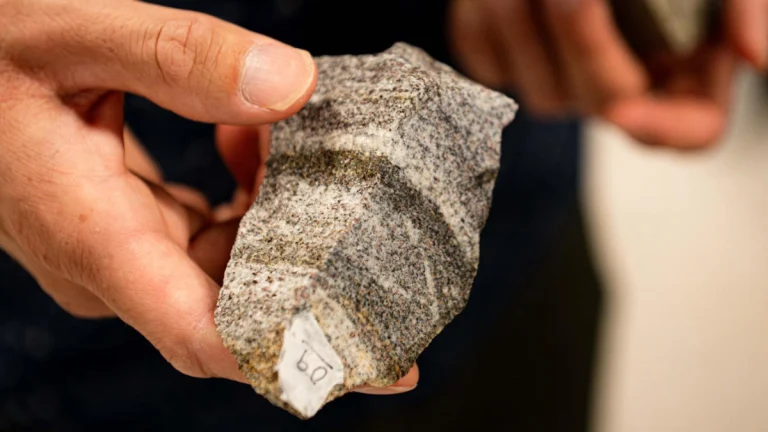
    Zircon isotopes from Earth’s crust show repeating patterns that align with the Solar System’s movement through the Milky Way’s spiral arms, according to research published in Physical Review Research on September 19, 2025. The findings suggest that comet impacts triggered during spiral-arm crossings may have influenced magmatic processes and continental growth.

  • Impact of prolonged power outage on excess deaths in Puerto Rico after Hurricane Maria

    Hurricane Maria made landfall near Yabucoa, Puerto Rico, at 10:15 UTC (06:15 LT) on September 20, 2017, leaving 2 975 excess deaths and causing the longest blackout in U.S. history. The storm showed how fragile infrastructure can turn a natural hazard into a mass-casualty disaster. With the grid collapsed for months, hospitals faltered, medicines spoiled, and thousands died not from winds or floods but from the blackout’s cascading effects.