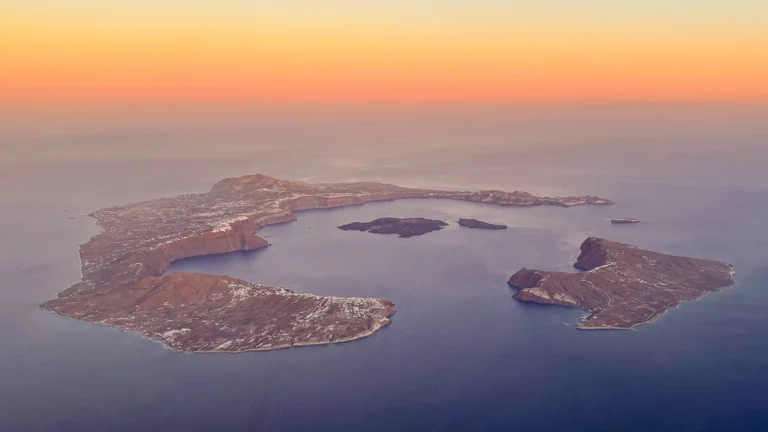
• Twin 15th-century eruptions plunged the planet into decades of cold

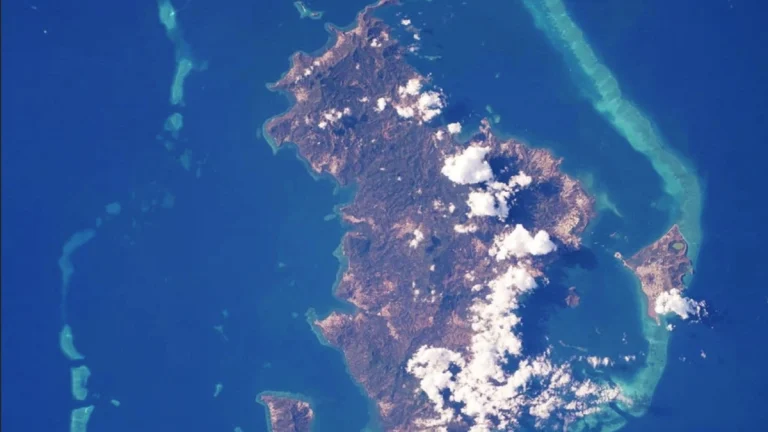
    A new analysis of Antarctic ice cores reveals that two volcanoes—Kuwae in Vanuatu and a yet-unidentified Southern Hemisphere volcano—erupted almost simultaneously around 1458–1459 CE, releasing sulfur and ash that triggered one of the coldest decades of the last millennium.

  • Taftan volcano reawakens after 710 000 years of sleep, revealing hidden hazards

    A quiet, trigger-less swelling at Taftan volcano in southeastern Iran has exposed hidden instability within one of the country’s most remote volcanic systems. Using Sentinel-1 satellite InSAR enhanced by a new common-mode filtering method, scientists detected a ten-month summit uplift of about 9 cm (3.5 inches) between July 2023 and May 2024, marking the first confirmed volcanic unrest in the Makran subduction arc, where even long-silent volcanoes can awaken without warning and reveal unmonitored hazards.

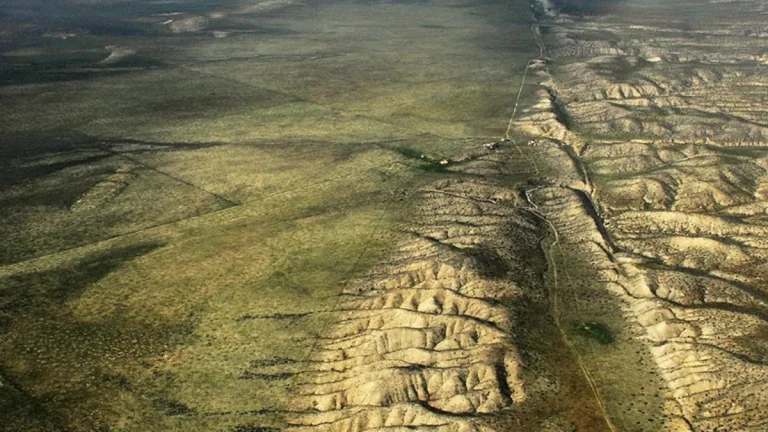
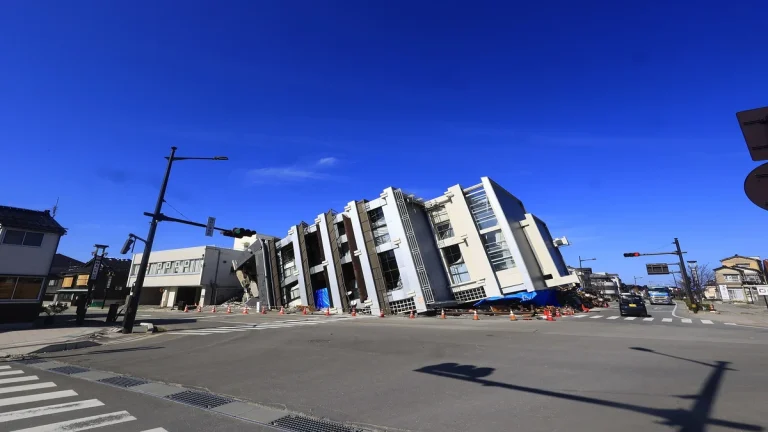
  • Aseismic slip and seismic swarms preceding Taiwan’s 2024 M7.3 Hualien earthquake

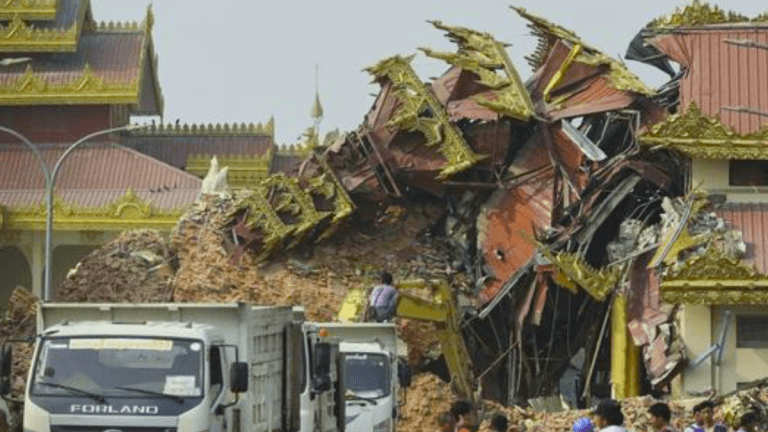
    Years before the ground shook across eastern Taiwan, the faults beneath Hualien were already in motion. A new study in Nature Communications shows that deep aseismic slip and migrating fluids quietly increased stress by about 30 kilopascals before the April 3, 2024 M7.3 Hualien earthquake, revealing how silent deformation can set the stage for disaster.

  • Earth’s continents forged in furnace-like heat, new study reveals how stability was born

    Researchers at Penn State and Columbia University have found that Earth’s continents became stable through extreme heat exceeding 900 °C (1 650 °F) in the planet’s lower crust, according to a study published in Nature Geoscience on October 13, 2025.

  • Earth’s largest ocean current may be shifting north again

    A study published in Nature Communications on October 6, 2025, by an international team of 36 scientists from five countries led by Prof. Xufeng Zheng of Hainan University reveals that the Antarctic Circumpolar Current once flowed hundreds of kilometers further south and may now be slowly shifting north under natural orbital cycles.

  • Forecasting tornado risk three weeks ahead is becoming possible

    Early results from SWERVE show that forecasts in weeks two and three can sometimes detect meaningful signals of heightened severe weather activity. The signals, produced through consensus forecasts that blend multiple models, perform better than climatology alone. Instead of simply repeating seasonal averages, they highlight specific windows when the atmosphere appears more favorable than normal…