Scientists image a massive rupture developing beneath northern Cascadia
Scientists have captured the Cascadia subduction zone off Vancouver Island actively tearing apart, according to a study published in Science Advances on September 24, 2025.

The study of Earth’s systems, including its physical structure, natural processes, and interactions between the lithosphere, hydrosphere, atmosphere, and biosphere. Earth sciences investigate phenomena such as weather, earthquakes, and volcanic eruptions to understand our planet’s past, present, and future.
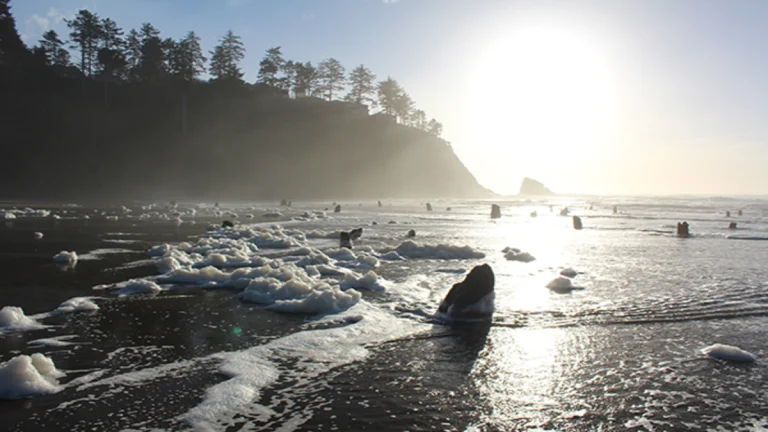
Scientists have captured the Cascadia subduction zone off Vancouver Island actively tearing apart, according to a study published in Science Advances on September 24, 2025.
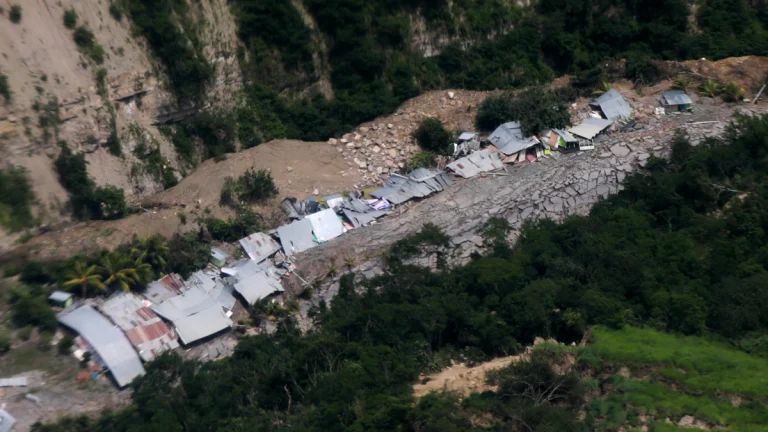
Ionospheric disturbances were observed up to two hours before the Mw 7.5 earthquake that struck northern Peru at 10:52 UTC (05:52 LT) on November 28, 2021, according to a new study published in the Journal of Atmospheric and Solar-Terrestrial Physics on September 27, 2025.

Early results from SWERVE show that forecasts in weeks two and three can sometimes detect meaningful signals of heightened severe weather activity. The signals, produced through consensus forecasts that blend multiple models, perform better than climatology alone. Instead of simply repeating seasonal averages, they highlight specific windows when the atmosphere appears more favorable than normal…
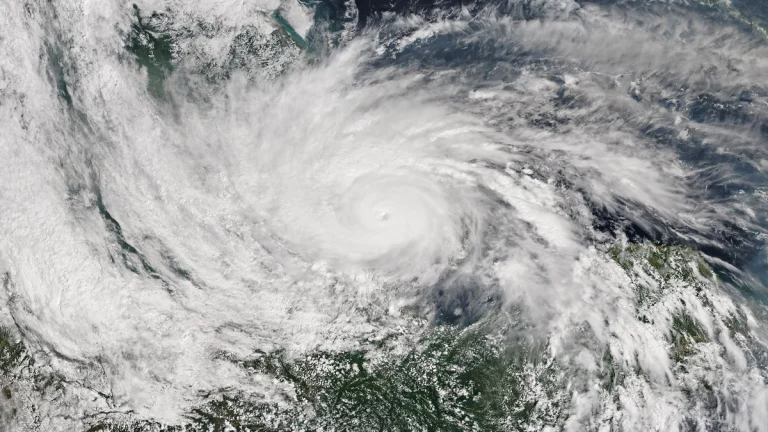
A peer-reviewed study in Atmospheric and Oceanic Science Letters shows that horizontal vortex tubes strongly influenced the EF3 tornado that struck Foshan, China, on October 4, 2015 during Super Typhoon Mujigae.
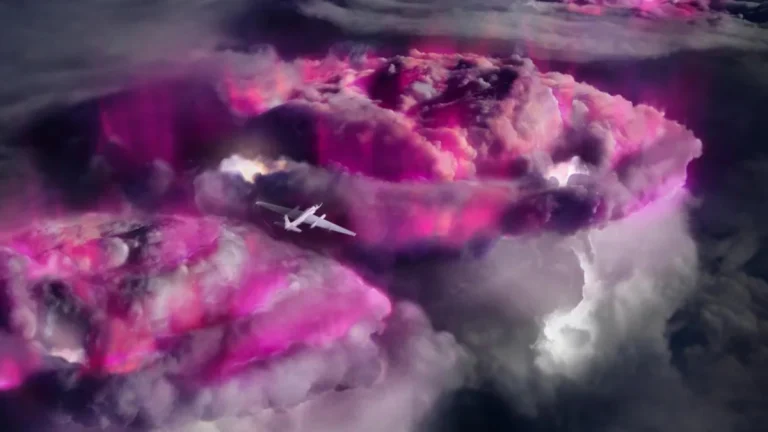
A study published in the Journal of Geophysical Research finds that strong electric fields in thunderclouds can accelerate electrons, creating runaway avalanches that emit X-rays and gamma rays, a process connected to the conditions that lead to lightning initiation.
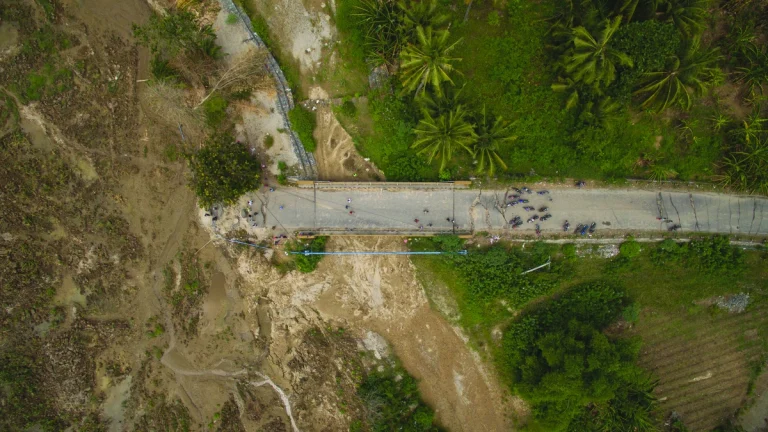
A magnitude M7.5 earthquake struck Central Sulawesi at 18:02 LT (10:02 UTC) on September 28, 2018, unleashing a locally amplified tsunami, catastrophic liquefaction and slope failures that killed more than 4 300 people.

A study published in Geophysical Journal International on August 28, 2025 finds that a normally persistent 6-year oscillation in Earth’s length-of-day broke down between 2010 and 2014, with a short-lived 4.7-year interval, and that the event is contemporaneous with changes in geomagnetic field behaviour and core-flow models.
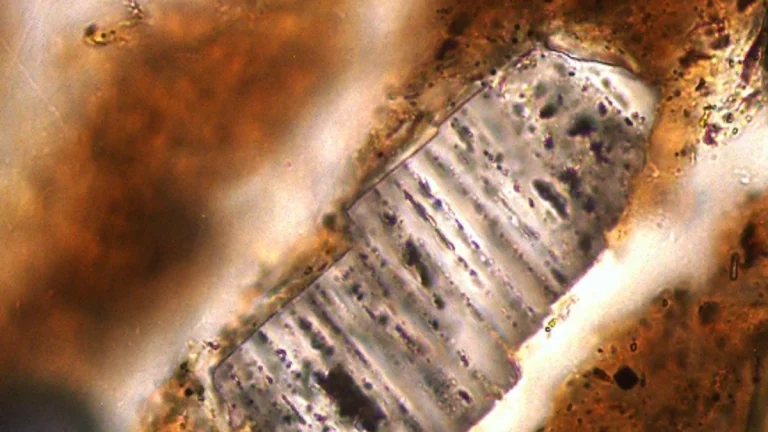
High-resolution seismic imaging and shocked mineral evidence confirm that Silverpit Crater beneath the North Sea was formed by an asteroid impact 43–46 million years ago, according to a study published in Nature Communications on September 20, 2025.
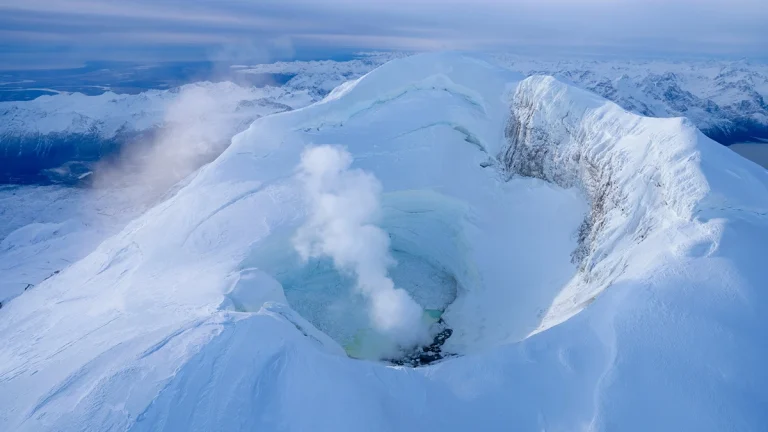
Researchers at the University of California, Riverside, published a study in Science on September 25, 2025, showing that Earth’s long-term carbon regulation system can sometimes overcorrect. Their model suggests that warming events may, under certain conditions, tip into ice-age–scale cooling over hundreds of thousands of years.
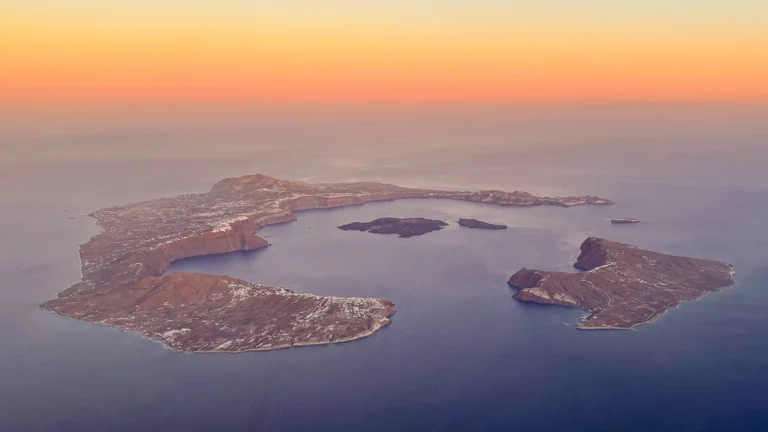
More than 28 000 earthquakes shook Santorini and neighboring islands between late January and February 2025. At the time, the cause was only speculated, but a new Nature study led by GFZ and GEOMAR shows the swarm resulted from a mid-crustal dike intrusion that linked Santorini and Kolumbo.
