Bright fireball streaks across the southern U.S.
A bright fireball streaked across the skies of the southern U.S. around 01:19 UTC on March 3, 2026, disintegrating above the Georgia Pacific Wildlife Management Area.


A bright fireball streaked across the skies of the southern U.S. around 01:19 UTC on March 3, 2026, disintegrating above the Georgia Pacific Wildlife Management Area.
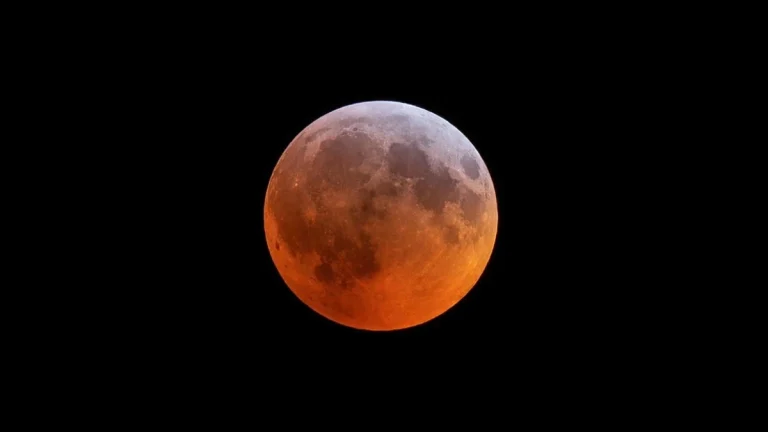
A blood moon total lunar eclipse occurring on March 3, 2026, will peak at 10:57 UTC, after the Moon enters totality at 10:29 UTC and remains fully immersed in Earth’s shadow for approximately 56 minutes. The event will be visible from much of Asia and Oceania, with live streams providing real-time views as totality unfolds.
A total lunar eclipse will occur at 11:33 UTC on March 3, 2026, with totality lasting 58 minutes and 19 seconds and full visibility across East Asia, Australia, the Pacific region, and western North America. This is the only total lunar eclipse of 2026.
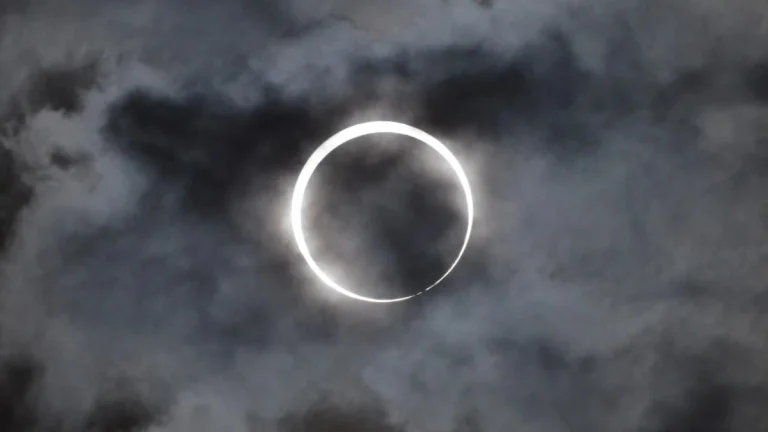
An annular solar eclipse will cross Antarctica on February 17, 2026, with the “ring of fire” phase confined to the continent and adjacent Southern Ocean waters. The event reaches its greatest eclipse at 12:11:54 UTC, when the Moon will cover 96.3% of the Sun’s diameter along the central path. A partial eclipse will be visible from southern South America, southern Africa, Madagascar, Réunion, Mauritius, and Antarctic coastal regions.
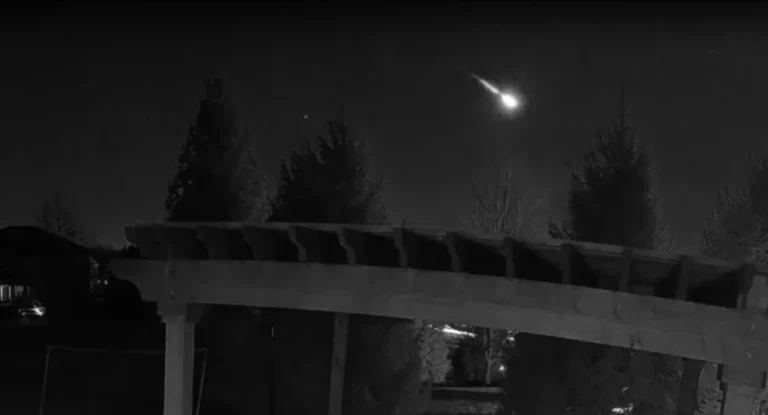
A bright fireball was observed over the Indiana–Ohio border region at 04:31 UTC on February 11, 2026 (23:32 local time on February 10), generating more than 120 eyewitness reports across five U.S. states. The meteor was first detected at an altitude of 76 km (47 miles) near Trinity, Indiana, and disintegrated at 43 km (27 miles) above Laura, Ohio. The object traveled approximately 77 km (48 miles) through the atmosphere at a speed of 13 km/s (29 000 mph).
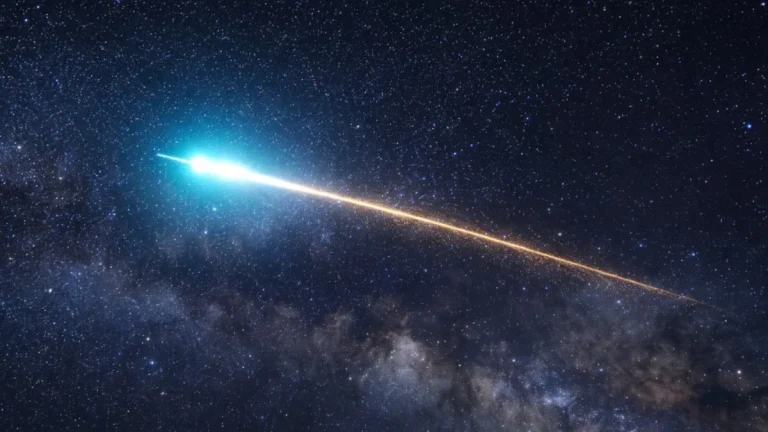
A bright, long-duration fireball was reported over New Zealand’s South Island at 15:22 UTC on February 10, 2026 (04:22 local time, February 11), and was captured on a south-facing security camera in Marlborough. Witnesses responding to the video shared by Fireballs Aotearoa said they heard an explosion-like bang, with some reporting that it shook a house or woke them.

A bright fireball was observed over western China at around 21:00 UTC on February 5, 2026, with sightings reported across Yunnan, Sichuan, and Qinghai. Videos and eyewitness accounts show a fast-moving, luminous streak crossing the predawn sky, ending in a bright terminal flash.
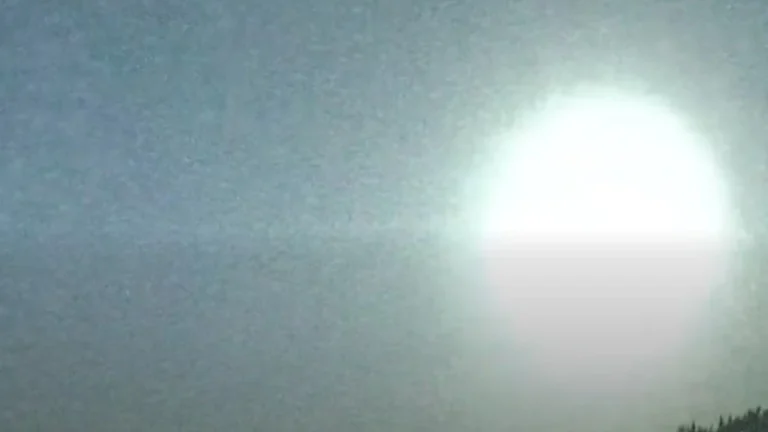
An exceptionally fast fireball was observed over much of New Zealand at 10:25 UTC on January 29, 2026, glowing from 120 km (75 miles) altitude and burning up entirely by 70 km (43 miles). The event was visible across the lower North Island and upper South Island.
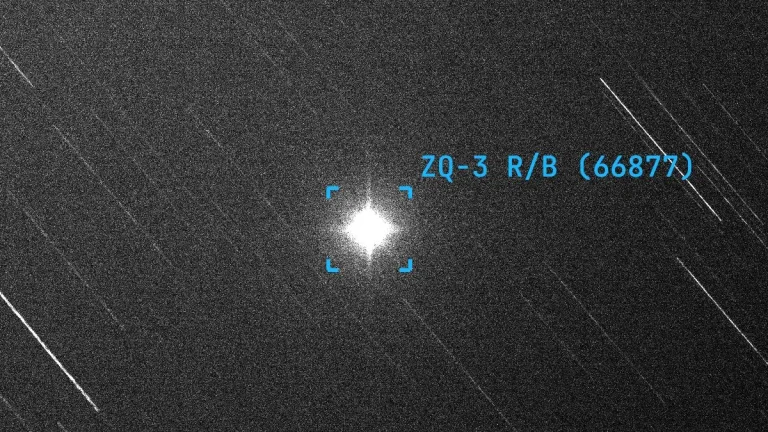
An uncontrolled atmospheric re-entry of the Chinese ZQ-3 R/B second stage, weighing about 11 tonnes, is expected over Europe on January 30, 2026. EU Space Surveillance and Tracking (EU SST) reports a predicted re-entry centered near 11:20 UTC ± 48 minutes. National sensors coordinated through the Finnish Meteorological Institute (FMI) and EU SST Operations Centres are tracking the object and assessing potential airspace impacts south of Denmark and in the Baltic region.

For the first time in 25 years of continuous International Space Station operations, NASA is preparing a medical evacuation after a crew member fell ill. The agency confirmed on January 8, 2026 that the astronaut is in stable condition and will return to Earth aboard SpaceX’s Crew Dragon.
