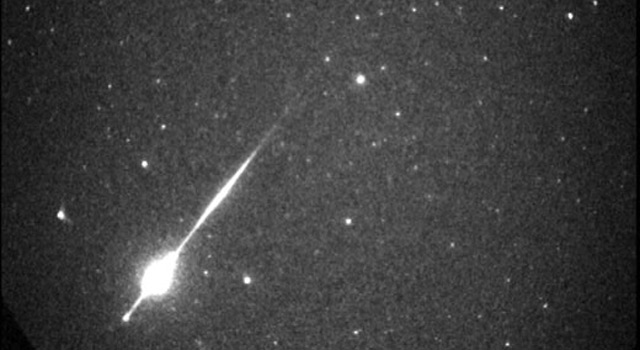
• What's Hitting Earth?

    Every day about 100 tons of meteoroids — fragments of dust and gravel and sometimes even big rocks – enter the Earth's atmosphere. Stand out under the stars for more than a half an hour on a clear night and you'll likely see a few of the meteors produced
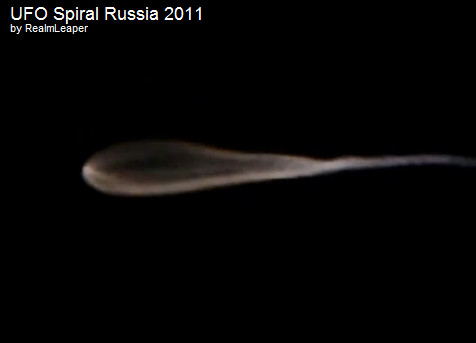
  • Spiral comet seen above White Sea in Russia?!

    Signs of  the Times site posted today interesting video from RealmLeaper –  recent sighting of strange object that could be spiral comet, over Severodvinsk in Russia, that was captured on February 26, 2011. There were also unconfirmed sighting of similar or even the

  • First cosmic census estimates there are 50 billion planets in Milky Way

    Scientists have estimated the first cosmic census of planets in our galaxy and the numbers are astronomical – at least 50 billion planets in the Milky Way. And some 500 million of those planets are in what is known as the Goldilocks zone, where the climate is thought

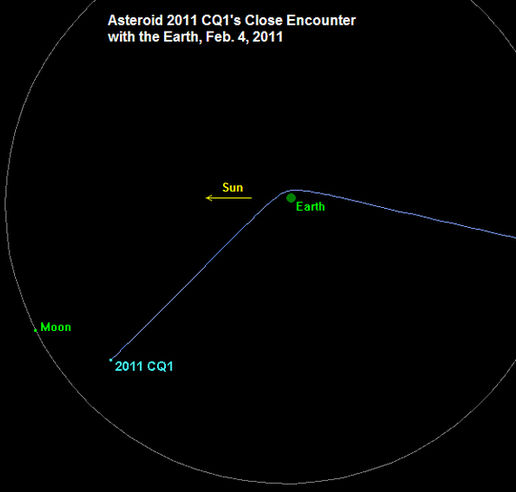
  • Asteroid’s Record-Breaking Brush with Earth Changed It Forever

    A tiny asteroid that zipped by Earth this month made the closest-ever approach to our planet without hitting it, an encounter that changed its place in our solar system forever, NASA scientists say. The asteroid, called 2011 CQ1, came within 3,400 miles (5,471

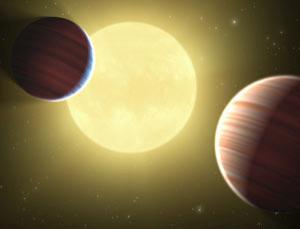
  • Two planets found sharing one orbit!

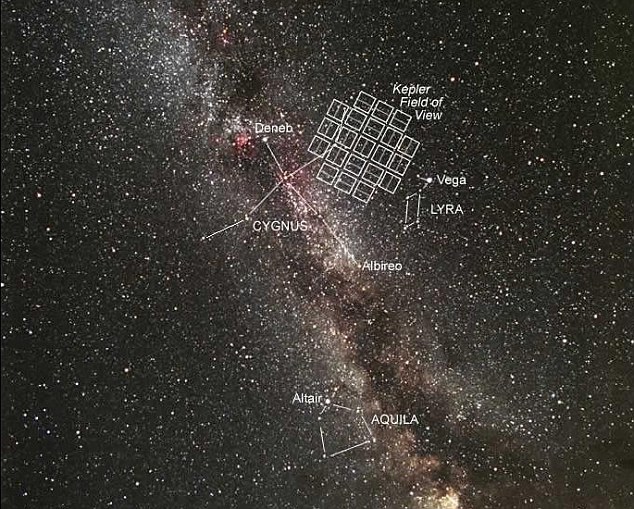
    Buried in the flood of data from the Kepler telescope is a planetary system unlike any seen before. Two of its apparent planets share the same orbit around their star. If the discovery is confirmed, it would bolster a theory that Earth once shared its orbit with a

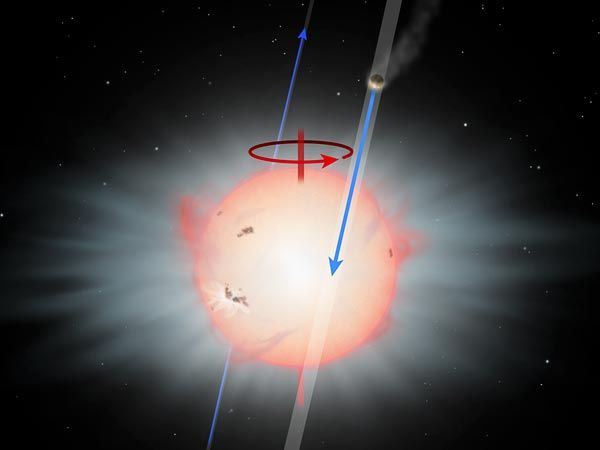
  • Three theories of planet formation busted

    The more new planets we find, the less we seem to know about how planetary systems are born, according to a leading planet hunter. With the tally of confirmed planets orbiting other stars now more than 500, planet hunters are heading for a golden age of discovery,…

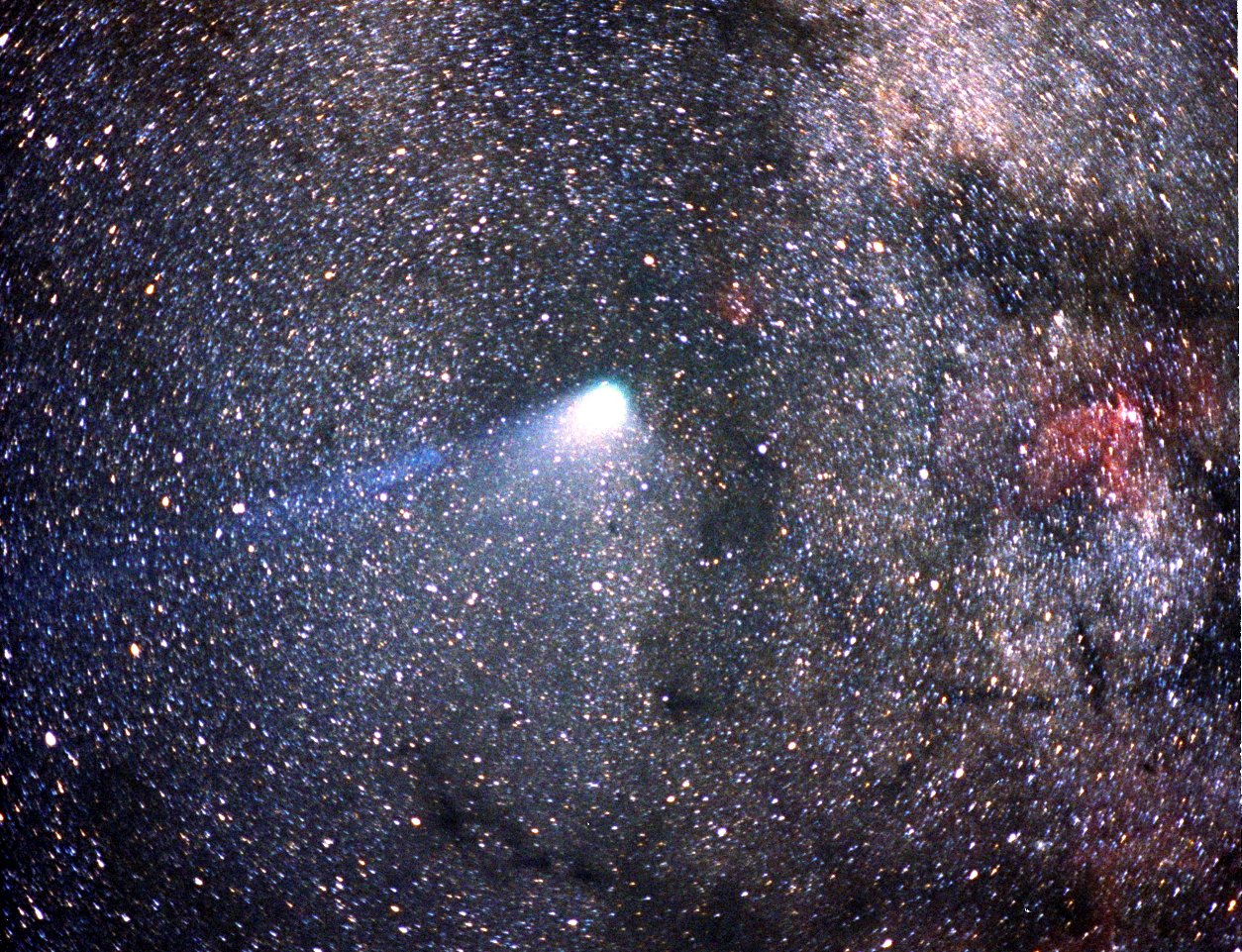
  • Comet Tempel 1 encounter – tonight

    NASA's Stardust-NExT probe is plunging toward Comet Tempel 1 for Valentine's Day encounter designed to reveal how solar heat devours the icy cores of comets. Closest approach happens at 8:37 p.m. PST (11:37 p.m. EST) on Feb. 14th. Stay tuned for fantastic…