• Mysterious lights streak across San Diego sky, California

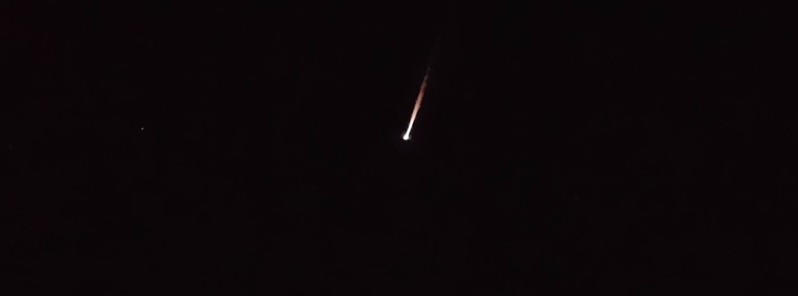
    Mysterious lights were seen streaking across the sky in San Diego, California on Monday night, August 15, 2016. The prime suspect, at this time, is man-made space debris. The lights were reported between 21:35 to 21:37 local time in the sky over the 3300 block of El…

  • Perseids to peak in outburst mode on August 11 and 12, 2016

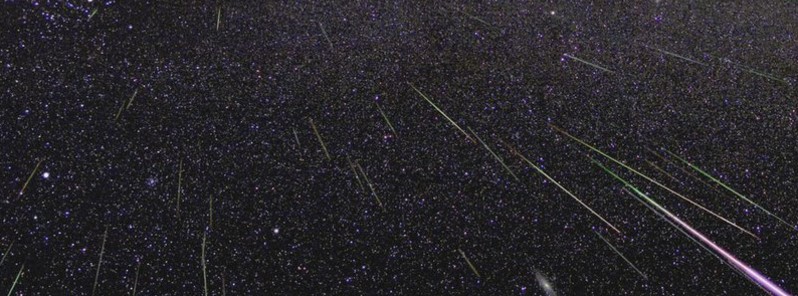
    The Perseid meteor shower is one of the most prolific annual meteor showers and this year it is expected to peak in outburst mode on the night of August 11 and the morning of August 12 (UTC). This means the shower has a great potential to be spectacular, with up to…

  • Night sky guide for August 2016

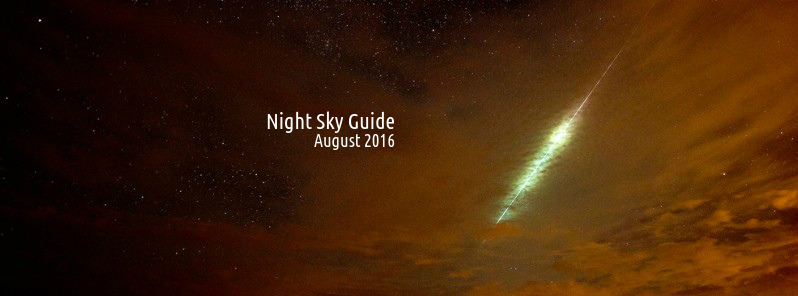
    The peak of this year's Perseid meteor shower, one of the most prolific annual showers, will be in "outburst" mode on August 11 and 12, the first since 2009. This means that instead of the usual 80 Perseids per hour, the rate could top 150 or 200…

  • Fiery re-entry of China’s Chang Zheng 7 rocket over the Western US

    A slow moving bright streak of light burst across the night sky over California, Utah and Nevada around 21:36 PTD on Wednesday, July 27 (04:36 UTC on July 28). Images and videos of the event immediately sent social media into a frenzy. The event lasted for over 30…

  • A ‘big flame in the sky’ over South Island, New Zealand

    A 'big flame in the sky' was observed over New Zealand's South Island at 06:30 UTC (18:30 local time) on July 19, 2016. The object was initially considered a 'fist-sized" meteor, but, after further analyses, some experts now believe it was a…

  • Night sky guide for July 2016

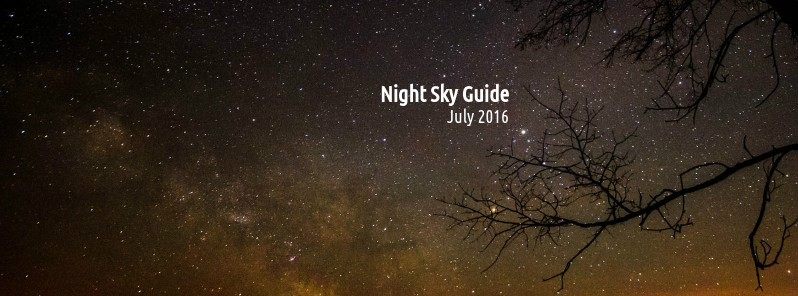
    July brings two meteor showers under relatively dark skies. Alpha Capricornids will reach their peak on July 26 with the maximum rate of around 5 per hour. A few days later, on July 29, the Delta Aquarid meteor shower will peak with up to 20 meteors per hour. The…

  • Night sky guide for June 2016

    On June 3, planet Saturn will be at its closest approach to Earth and its face will be fully illuminated by the Sun. It will be brighter than any other time of the year and visible all night long. The best time of the month to observe faint objects such as galaxies…

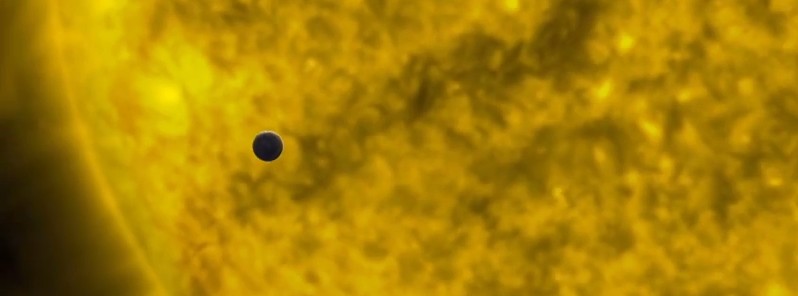
  • Rare transit of Mercury across the Sun on May 9

    A rare transit of Mercury across the Sun will take place on May 9, 2016, starting at about 11:12 UTC and lasting about 7.5 hours. This is an extremely rare event that occurs only 13 or 14 times in each century. There will be one other transit of Mercury in 2019 and…

  • No moonlight to interfere with 2016 Eta Aquarids

    The Eta Aquarid meteor shower will reach its maximum rate of activity this year on the night of May 5 and the morning of May 6. This is an above average shower, capable of producing up to 60 meteors per hour at its peak, with most of the activity seen in the…