• Partial lunar eclipse of August 7, 2017

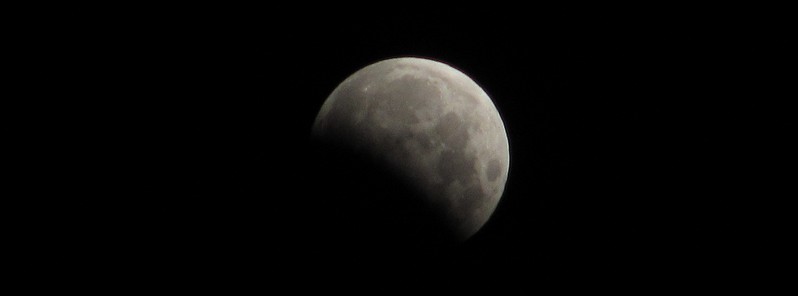
    A partial lunar eclipse will take place on August 7, 2017, with the greatest eclipse occurring at 18:20 UTC. It will be visible from eastern Europe, throughout most of eastern Africa, central Asia, the Indian Ocean, and Australia. This lunar eclipse will begin at…
  • Night sky guide for August 2017

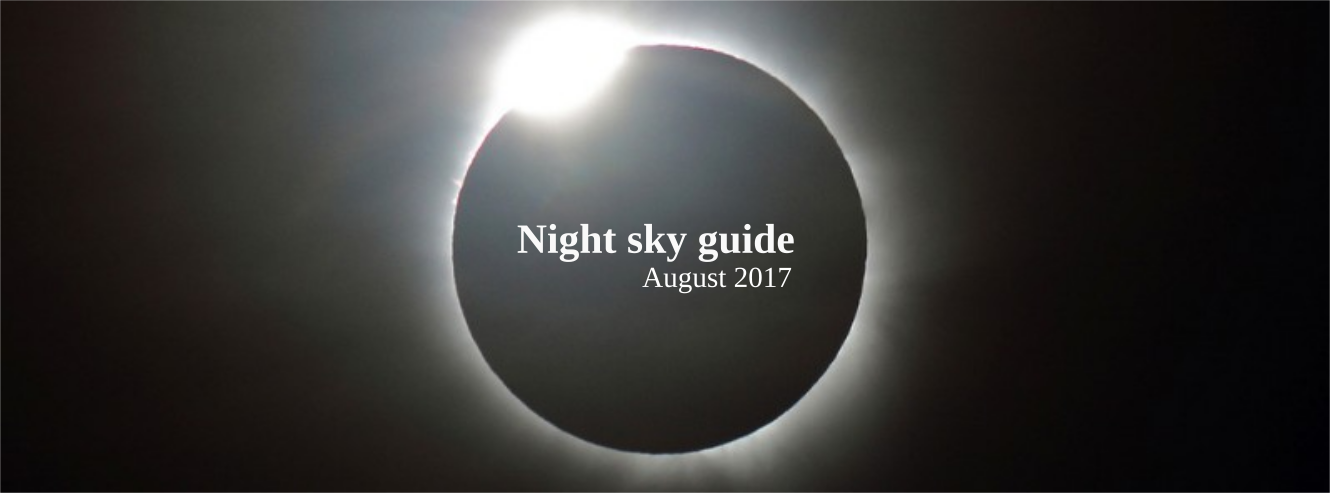
    Solar eclipse chasers, especially those living in the United States, have waited for this month for many years. On August 21, a rare, once-in-a-lifetime event for viewers in the US will make the Moon completely block out the Sun – total solar eclipse, revealing the…

  • Night sky guide for July 2017

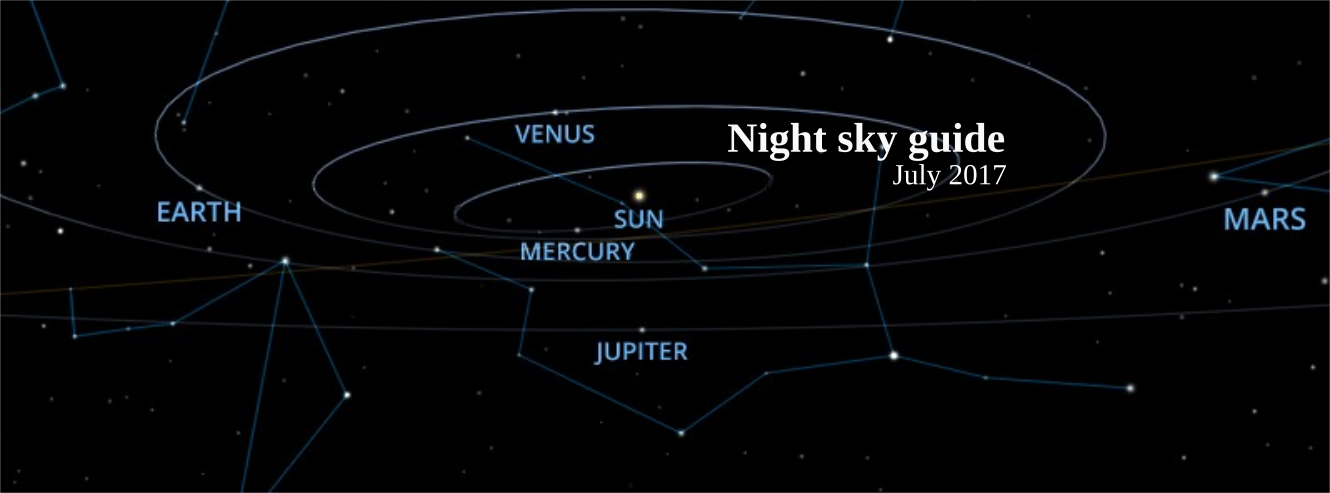
    The Earth's annual orbit around the Sun will carry us to our furthest point from the Sun – aphelion – at a distance of 1.02 AU on July 3. Technically speaking, this marks the moment when the Sun appears smaller in the sky than at any other time of year, and when…

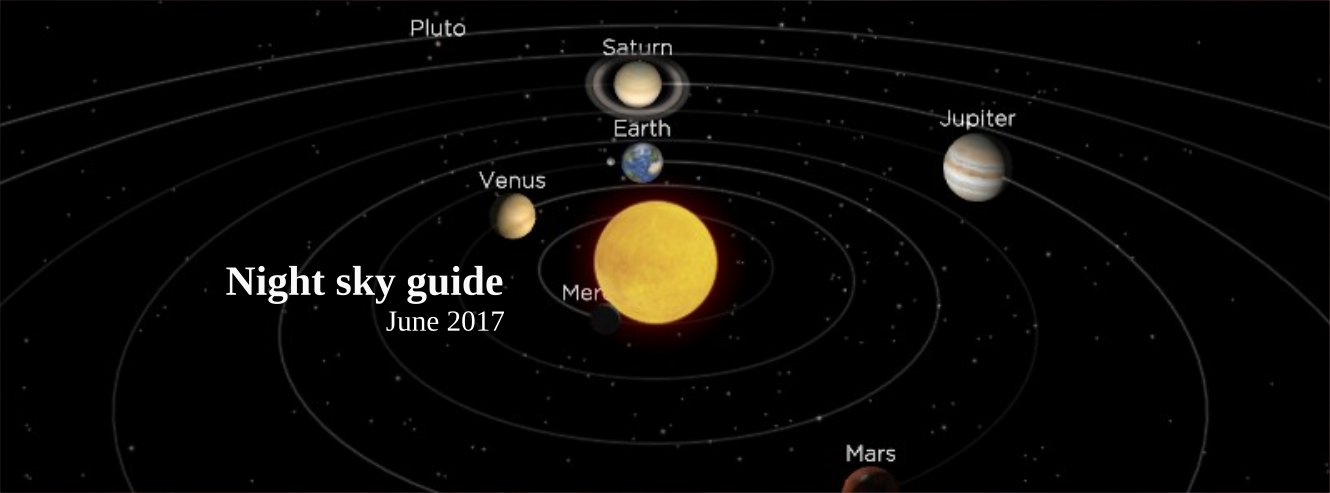
  • Night sky guide for June 2017

    Although meteorologists often take summer/winter to start on June 1, northern hemisphere's summer and southern hemisphere's winter will officially begin on June 21 with June Solstice at 04:15 UTC. The Moon will reach its full phase at 13:11 UTC on June 9….

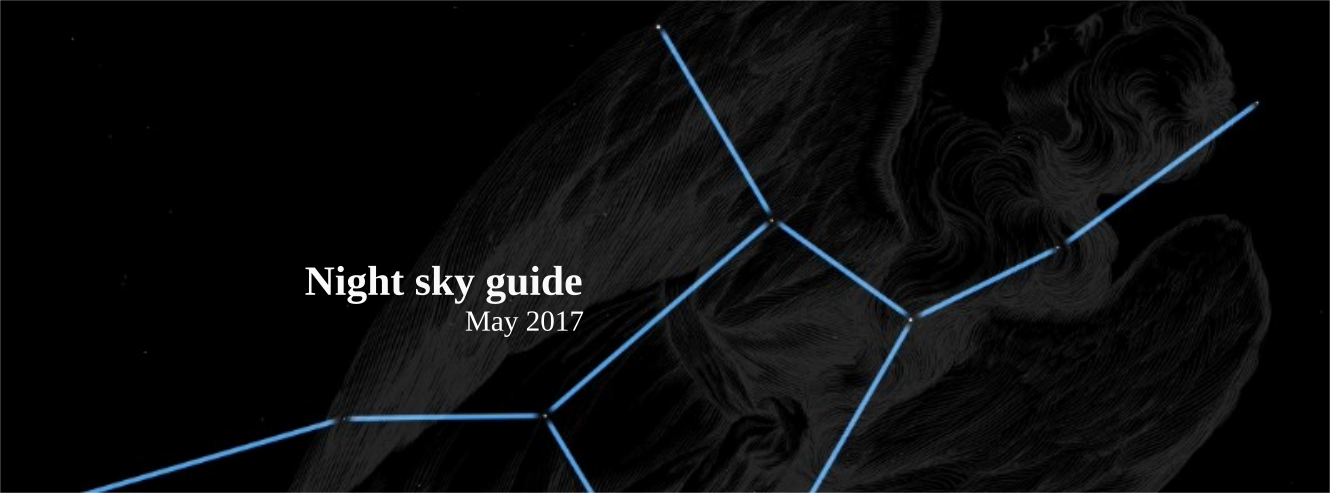
  • Night sky guide for May 2017

    May 2017 brings us Eta Aquarids, an above average meteor shower capable of producing up to 60 meteors per hour at its peak, in the southern hemisphere. The waxing gibbous moon, however, will block out many of the fainter meteors this year. The Moon will be located…

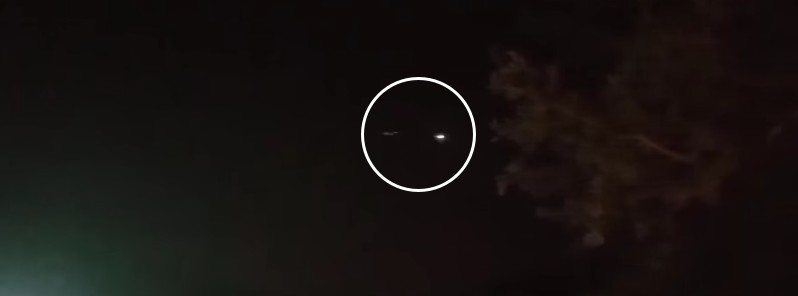
  • Long-lasting fireball over Florida

    A long-lasting fireball was seen over Florida around 03:52 UTC on April 26, 2017 (23:52 EDT on April 25). The event lasted up to 20 seconds. The American Meteor Society received 46 reports by 17:35 UTC. Five witnesses reported sound associated with the event while…

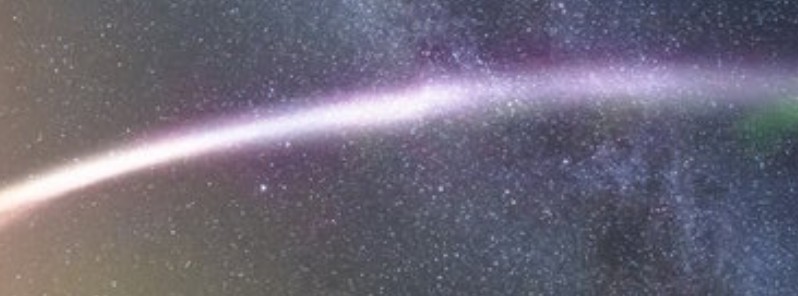
  • New phenomenon discovered in the night sky

    A new phenomenon seen as a giant purple streak of light in the night sky has been recently discovered and, for lack of a better word, named Steve. Steve was discovered thanks to scientists, citizen scientists, ground-based imagers and ESA's magnetic field Swarm…

  • Jupiter at opposition, closest to Earth in 2017

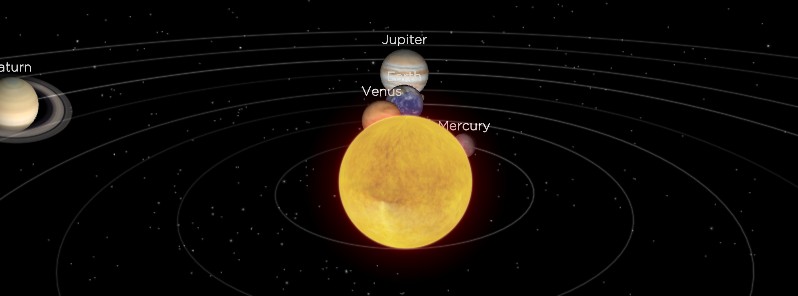
    Planet Jupiter is at opposition on April 7, 2017, meaning that the Sun, Earth and Jupiter will form a straight line. At around the same time that Jupiter passes opposition (21:28 UTC), it also makes its closest approach to the Earth in 2017. By midnight (local…

  • Night sky guide for April 2017

    April brings us three meteor showers – Virginids on April 12th, Lyrids on the 22nd and 23rd and Alpha Schorpiids on the 28th. The Moon will present minimal interference for Lyrids and Alpha Scorpiids. On April 1, Comet 41P/Tuttle-Giacobini-Kresák is making…

  • Night sky guide for March 2017

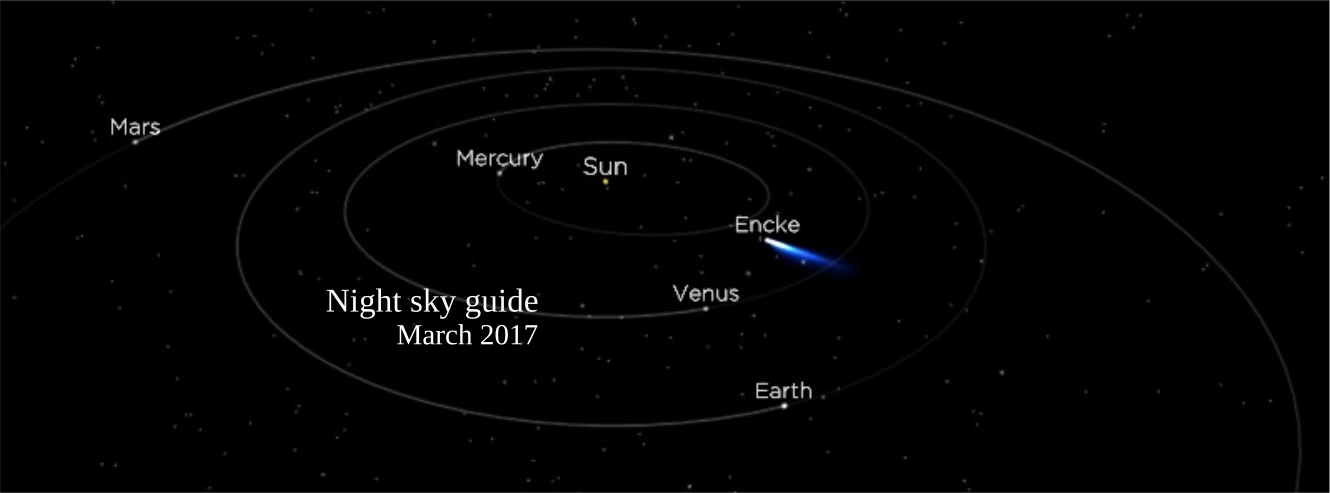
    The Sun will shine directly on the equator and there will be nearly equal amounts of day and night throughout the world – March equinox – on March 20. This is the first day of spring (vernal equinox) in the northern hemisphere and the first day of fall (autumnal…