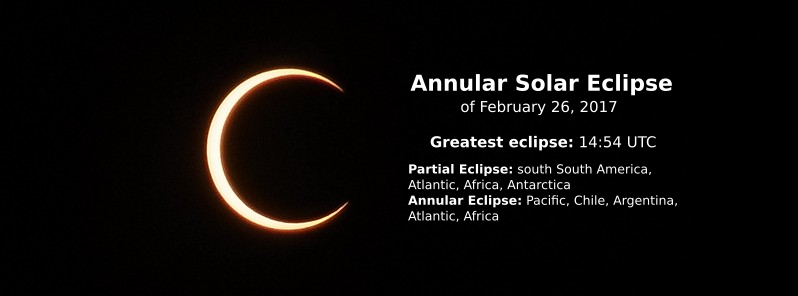
• Annular solar eclipse of February 26, 2017

    An annular solar eclipse will take place on February 26, 2017, creating a ring of light around the darkened Moon as the Moon will be too far away from the Earth to completely cover the Sun. This is the first of two eclipses in 2017 and comes just 7 months before the…

  • Penumbral lunar eclipse of February 11, 2017

    A very deep penumbral lunar eclipse will take place on February 11, 2017, with the greatest eclipse at 00:45 UTC. It will be visible throughout most of eastern South America, eastern Canada, the Atlantic Ocean, Europe, Africa, and western Asia. Penumbral eclipses…

  • Night sky guide for February 2017

    A penumbral lunar eclipse will take place at 00:45 UTC on February 11. Although the Moon's light dims considerably during a penumbral eclipse, this is only perceptible to those with very astute vision, or in carefully controlled photographs. The eclipse will be…

  • Night sky guide for January 2017

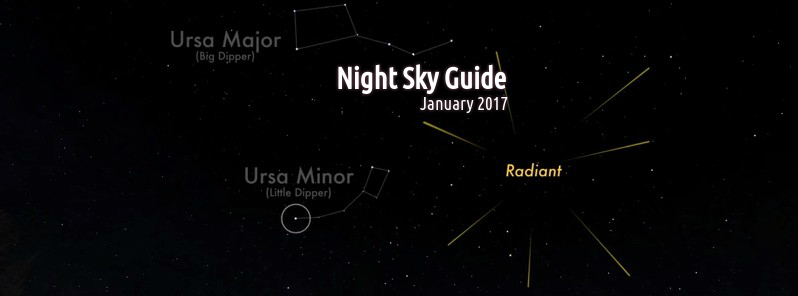
    January 2017 hosts one of the most intense annual meteor showers – the Quadrantids, known for producing spectacular fireballs. The timing favors western parts of North America and islands across the Pacific. The peak of Quadrantids is brief, typically lasting no…

  • Final supermoon of the year to shine bright on December 14

    The third and final supermoon of the year is approaching. The full moon will shine on December 14, 2016, near the Taurus constellation, and remain visible throughout most of the night. The Moon will reach its full phase on December 14, at 00:07 UTC. At the time, it…

  • Night sky guide for December 2016

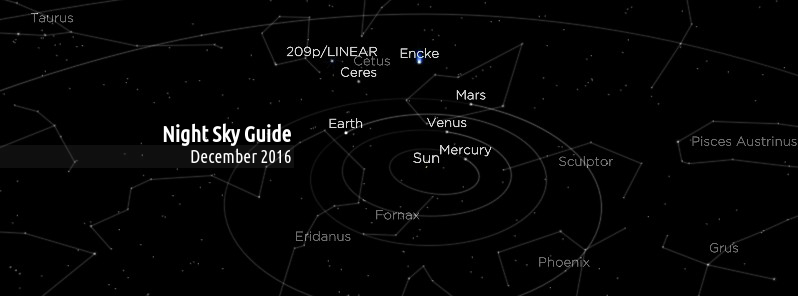
    The last of three supermoons for this year will occur on December 14. Over the nights following December 14, the Moon will rise around an hour later each day, becoming prominent later in the night. Within a few days, it will only be visible in the pre-dawn and…

  • Super full moon of November 14, the closest since 1948

    A super full moon event will take place on November 14, 2016, at 13:53 UTC. The moon will be the largest and closest to our planet since January 26, 1948. This month's full moon is taking place unusually close to the time of the month when it also makes it…

  • Night sky guide for November 2016

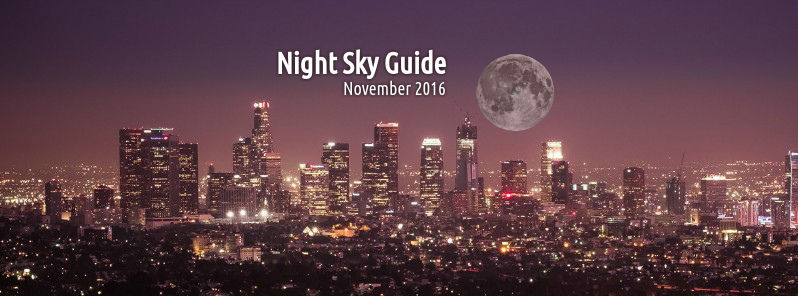
    This month’s Full Moon – the second of three supermoons in 2016 – will be the largest and closest to Earth since January 26, 1948. It won't come this close again until November 25, 2034. Out of three meteor shower peaks for the month, only Southern Taurids…

  • Night sky guide for October 2016

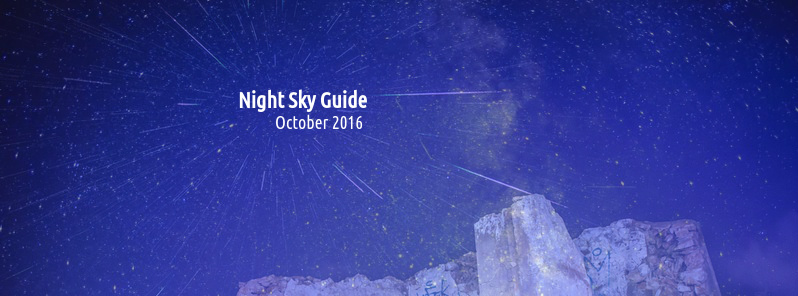
    October will bring us the first of three supermoons for 2016. On October 16, the full moon will take place unusually close to the time of the month when the Moon also makes its closest approach to the Earth – called its perigee. This near coincidence between a…