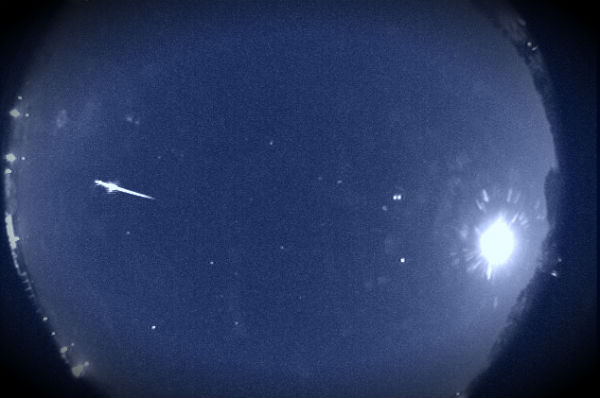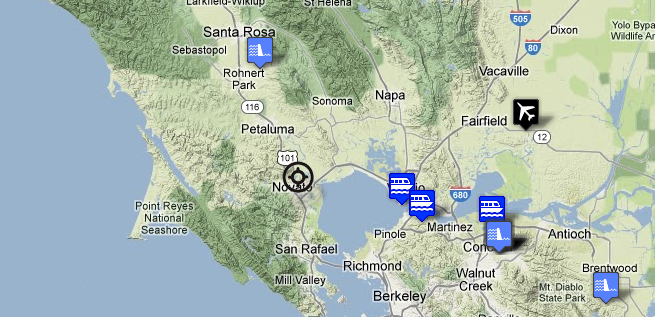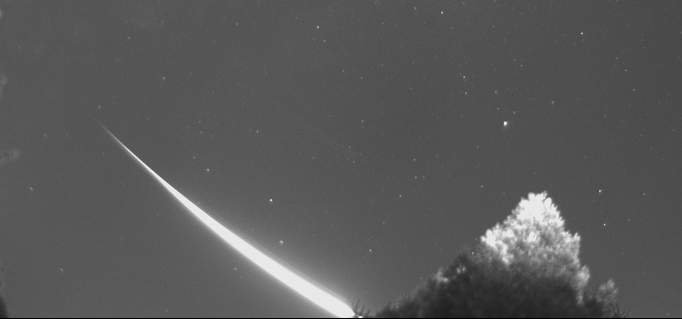
• Observing 2012 Geminid meteor shower

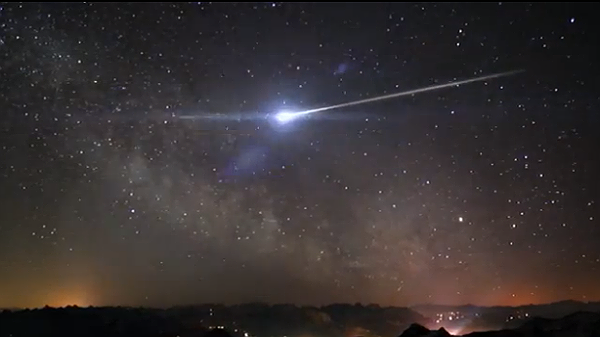
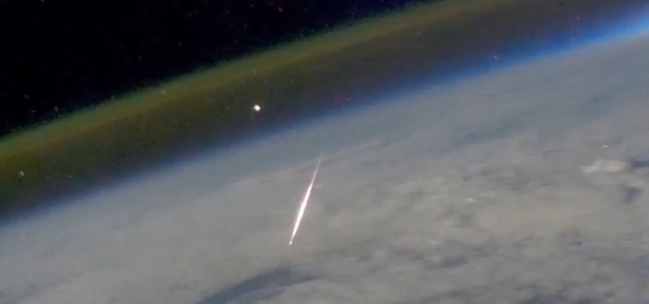
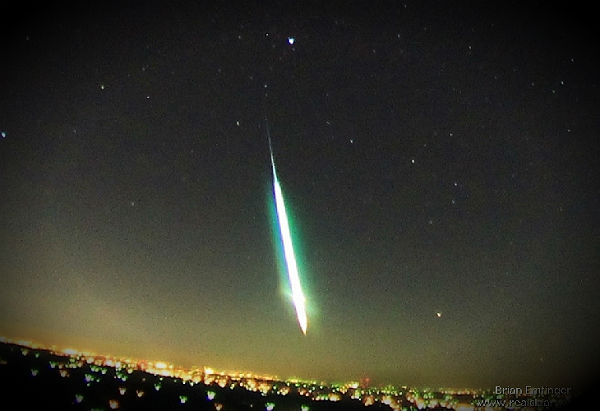
    Observing at the Northern Hemisphere started as early as December 6, when one meteor every hour or so could be visible. During the next week, rates increase until a peak of 50-80 meteors per hour is attained on the night of December 12/13. By December 18 meteor shower

  • Why are we seeing so many sungrazing comets?

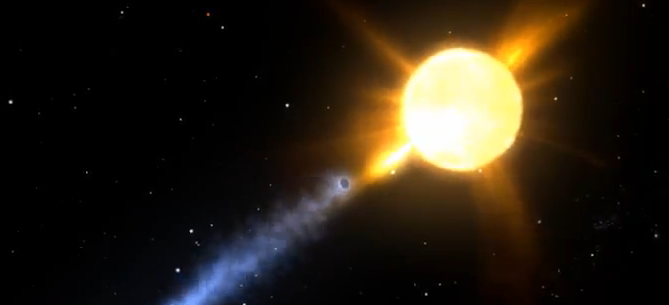
    Before 1979, there were less than a dozen known sungrazing comets. As of December 2012, we know of 2,500. Why did this number increase? With solar observatories like SOHO, STEREO, and SDO, we have not only better means of viewing the sun, but also the comets that

  • Geminid meteor shower and visible asteroids in December 2012

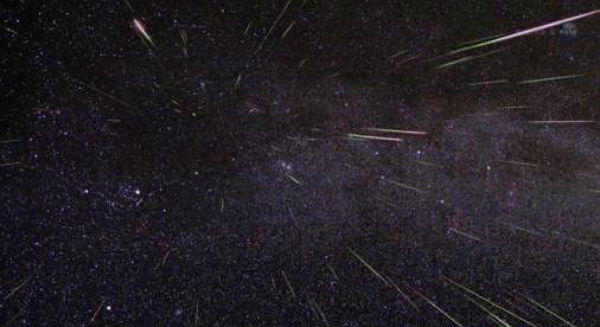
    If you’re planning to skywatch this December, this video will take you through some of the notable objects in the sky this month, including a meteor shower, large asteroids in the asteroid belt, and an array of constellations.Video courtesy of Space.comBeginning in

  • Leonid meteor shower peak tonight

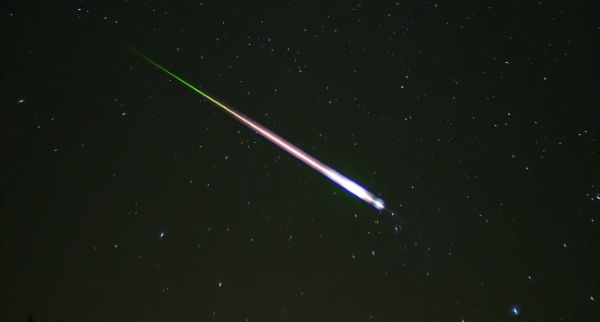
    This year’s annual Leonid meteor shower is expected to peak tonight. Although Leonids can sometimes be seen at rate of more than thousands meteors per hour, a stream of debris from Comet 55P/Tempel-Tuttle which orbits the sun every 33 years, is forecasted to display

  • Another day, another meteor sonic boom – this time over UK

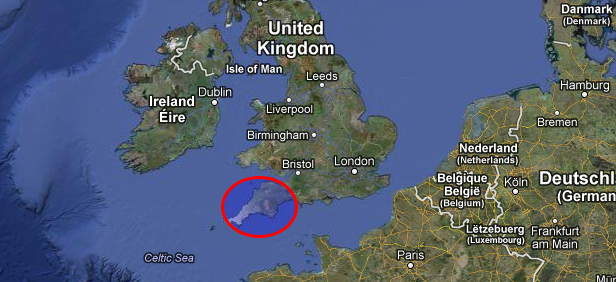
    Police departments of Devon and Cornwall, UK, received hundreds of calls from people saying they had experienced an earth tremor and heard loud bangs around 16:15 BST on Thursday, October 18, 2012. Police staff in Devon’s Newton Abbot station also said floors

  • Draconid meteor shower peaks tonight

    The annual Draconid meteor shower will peak overnight on October 7 and 8. Last quarter Moon on October 8 makes this quite a favourable year, as the Moon rises in late evening for the many northern hemisphere locations from where the Draconid radiant is circumpolar.