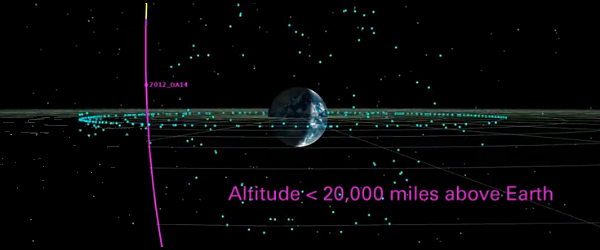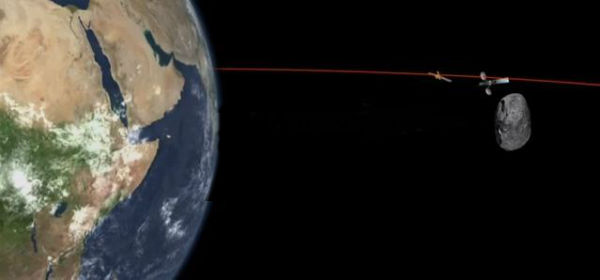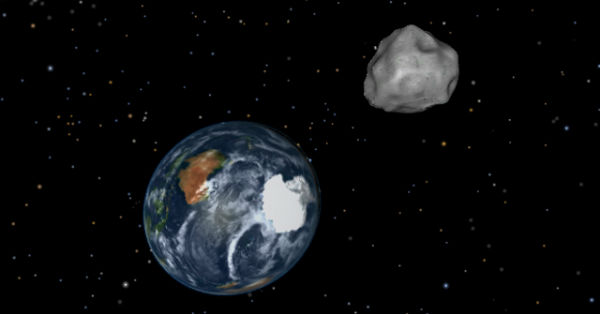
• Asteroid 2012 DA14: Orbital approach and motion simulation

    The following video shows asteroid 2012 DA14 simulated apparent motion, as visible from the Virtual telescope observing site, in Central Italy. Time is running 50x faster than reality. The field of view is of about 13×10 degress. It covers a time span from 18:30 …

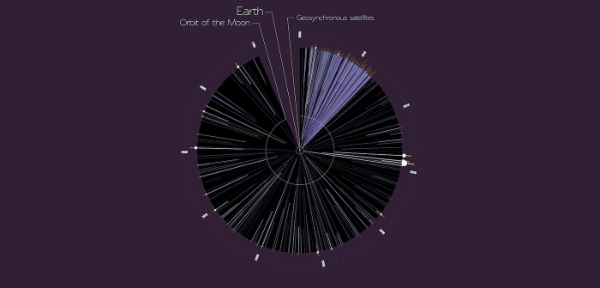
  • The Flyby Clock: Visualizing a century of asteroid encounters

    Due to the interest sparked by the upcoming flyby of 2012 DA14, Alex Parker of Minor Planet Center thought it would be helpful to place its flyby in a historic perspective. He put together a visualization of all the flybys of known asteroids in the 21st century in…

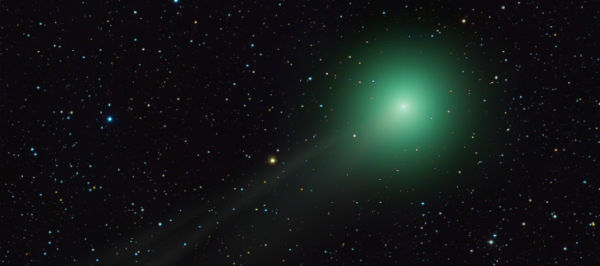
  • Comet Lemmon greens up in southern hemisphere's nightsky

    Comet Lemmon (C/2012 F6) is visiting  the inner solar system after almost 11,000 years. Comet Lemmon (C/2012 F6) is visible from the southern hemisphere at distance about 92 million miles (0.99 AU) from Earth. Northern hemisphere observers will get their

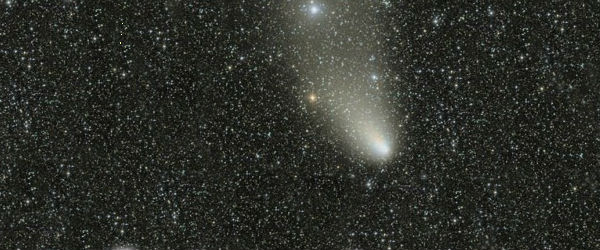
  • Timelapse views of Comet C/2012 K5 (LINEAR)

    Mark Behrendt,  Cory Schmitz and Mike Rector created series of time lapses showing the Comet C/2012 K5 (LINEAR) on January 4/5.  The three timelapses were stitched together by Cory Schmitz into the composite video.Comet LINEAR is visible in the sky for the

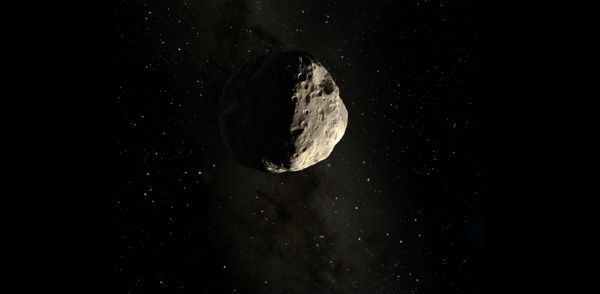
  • Potentially hazardous Asteroid Apophis close flyby tonight

    ESA officials announced that its infrared Herschel Space Observatory has discovered that Apophis is about 325 meters (1,066 feet) wide, nearly 20 percent larger than a previous estimate of 270 m (885 feet). A 2004 study that predicted a 2.7 percent chance of

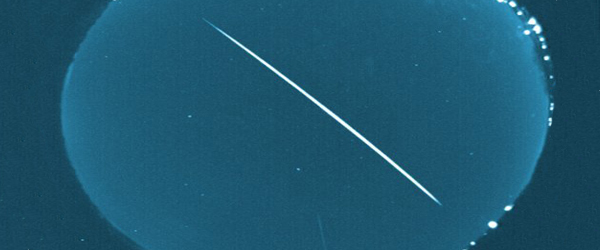
  • 2013 Quadrantid meteor shower peaks tonight

    The annual Quadrantids are the first meteor shower in 2013 and it will peak overnight, or more precisely, the first six hours of the morning of January 3rd. Unfortunately, the northern-hemisphere’s Quadrantid maximum, due around 13:30 UTC on January 3, has a

  • NASA | Why are we seeing so many sungrazing comets?

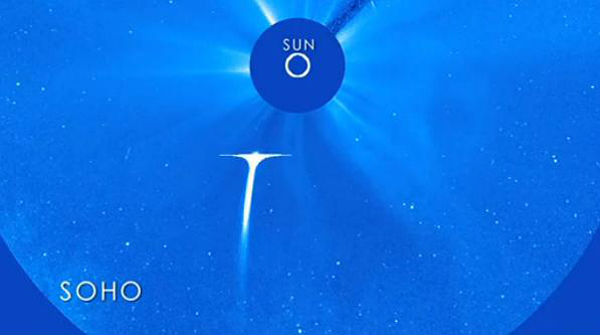
    Before 1979, there were less than a dozen known sungrazing comets. As of December 2012, we know of 2,500. Why did this number increase? With solar observatories like SOHO, STEREO, and SDO, we have not only better means of viewing the sun, but also the comets that

  • 2012 Geminid meteor shower

    Last night Earth passed through a stream of dusty debris from Comet 3200 Phaethon and sky observers around globe witnessed amazing Geminid meteor shower, with more than 120 meteors per hour at the peak.Earth now slowly exits 3200 Phaethon’s debris stream and the