• New research to focus on energy distribution in upper atmosphere

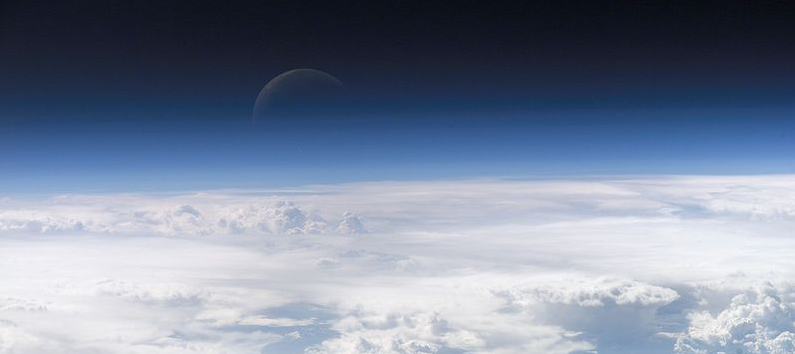
    “Understanding interaction between the Earth’s magnetic field, or magnetosphere, and its upper atmosphere – known as the thermosphere/ionosphere – is especially important this year and in 2014, said Yue Deng, an assistant physics professor at University of Texas.
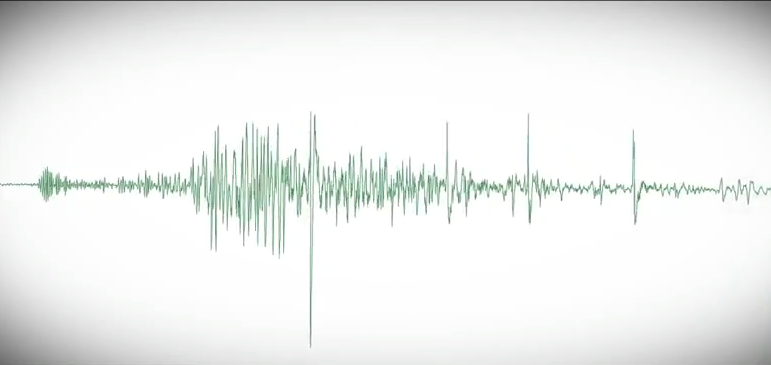
  • GOCE now known as world’s first “seismometer in space”

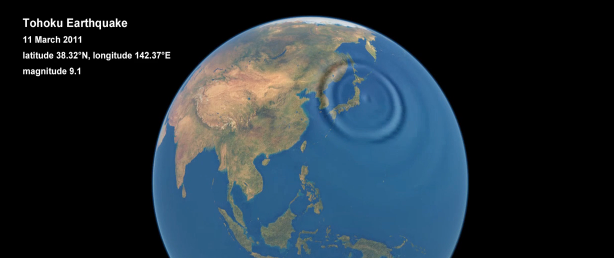
    New studies have shown that Japan’s “Tohoku earthquake” (March 11, 2011) was also felt and measured high above the Earth’s surface by ESA’s GOCE gravity satellite. This hyper-sensitive instrument is now known as the world’s first “seismometer in space” but it is more

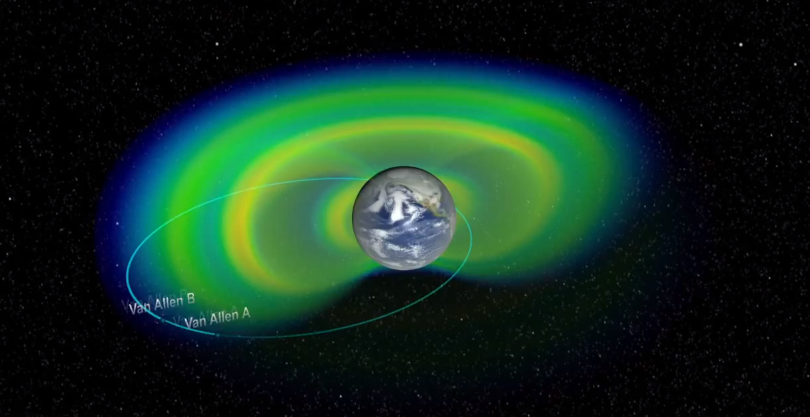
  • Van Allen Probes reveal a new radiation belt around Earth

    NASA’s Van Allen Probes mission has discovered a previously unknown third radiation belt around Earth, revealing the existence of unexpected structures and processes within these hazardous regions of space.Previous observations of Earth’s Van Allen belts have long

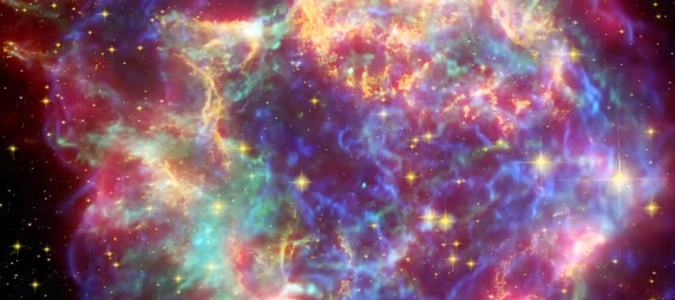
  • Fermi proves supernova remnants produce cosmic rays

    A new study using observations from NASA’s Fermi Gamma-ray Space Telescope reveals the first clear-cut evidence that the expanding debris of exploded stars produces some of the fastest-moving matter in the universe. This discovery is a major step toward meeting one of

  • Plasma rockets & solar storms

    This is a preview of  Cosmic Journeys episode. Ancient people saw them as messages from the Gods… as supernatural winds that blew from the realm of spirits. Modern science has linked these polar light shows, called auroras, to vast waves of electrified gas hurled in

  • “Infinity is bigger than you think”

    Sometimes infinity is even bigger than you think… Dr James Grime explains with a little help from Georg Cantor.  Credit: NumbersphileMinute Physics video on this topic: How to count infinity?Featured image:To Infinity and Beyond by

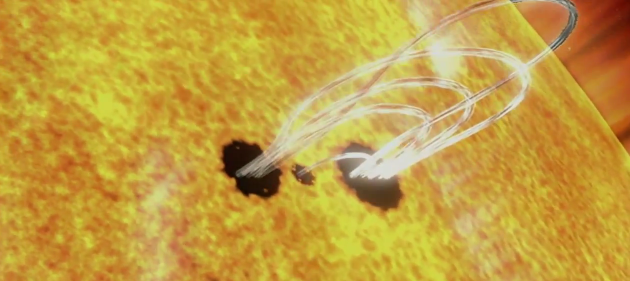
  • First sightings of how a Coronal Mass Ejection (CME) forms

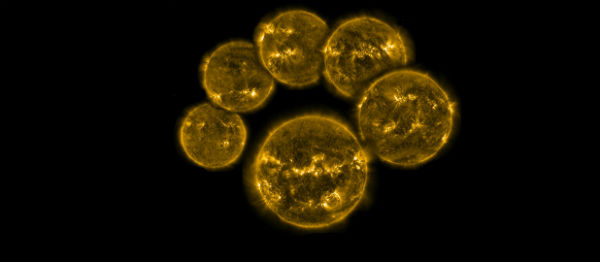
    On July 18, 2012, a fairly small explosion of light burst off the lower right limb of the sun. Such flares often come with an associated eruption of solar material, known as a coronal mass ejection or CME – but this one did not.Something interesting did happen,

  • Giant magnetized outflows from our Galactic Center

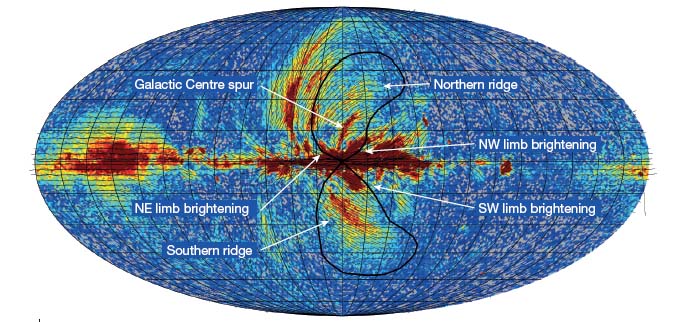
    Two years ago, CfA astronomers reported the discovery of giant, twin lobes of gamma-ray emission protruding about 50,000 light-years above and below the plane of our Milky Way galaxy, and centered on the supermassive black hole at our galaxy’s core.The scientists

  • The effects of solar variability on Earth’s climate

    A new report issued by the National Research Council (NRC), “The Effects of Solar Variability on Earth’s Climate,” lays out some of the surprisingly complex ways that solar activity can make itself felt on our planet.The luminosity of our own sun varies a 0.1% over