• Enhanced risk of severe thunderstorms issued for parts of the Northeast, Mid-Atlantic, and Lower Great Lakes on July 18

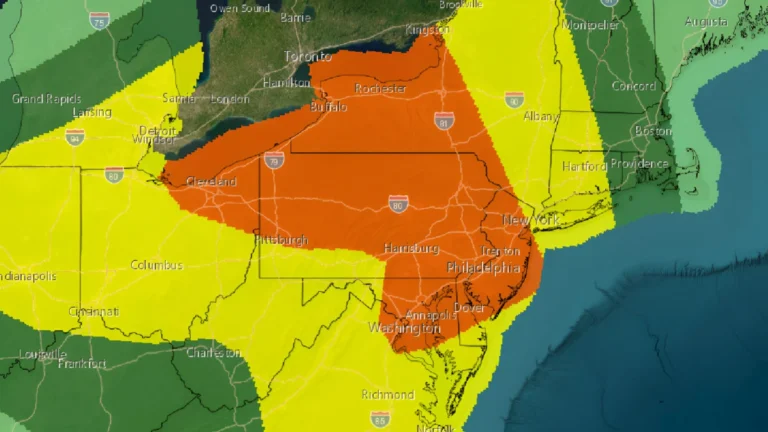
    An enhanced risk of severe thunderstorms has been issued for portions of the Northeast, Mid-Atlantic, and Lower Great Lakes on Saturday, July 18, 2026, as an unusually strong upper-level storm system brings the threat of widespread damaging winds, large hail, and several tornadoes through the afternoon and evening.
  • Rare Atlantic Niña develops as strengthening El Niño points to quieter 2026 Atlantic hurricane season

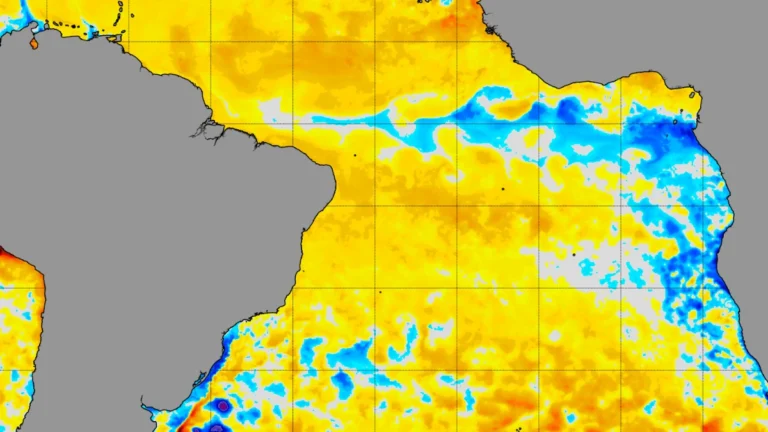
    A rare Atlantic Niña has developed across the equatorial Atlantic while El Niño continues strengthening in the tropical Pacific. Although Atlantic Niña events are relatively uncommon, forecasters say the developing pattern could reinforce atmospheric conditions that typically suppress tropical cyclone formation across the Atlantic basin.

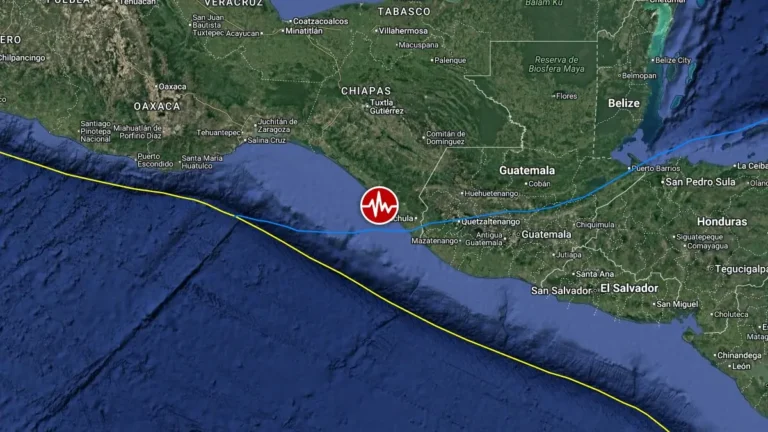
  • M7.3 earthquake hits offshore Chiapas, Mexico, small tsunami waves recorded

    A major earthquake registered by the USGS as M7.3 struck offshore Chiapas, Mexico at 14:48 UTC on July 17, 2026. The agency is reporting a depth of 15.2 km (9.4 miles). EMSC is reporting M7.3 at a depth of 25 km (15.5 miles). According to the Pacific Tsunami Warning Center (PTWC), hazardous tsunami waves are forecast for some coasts.

  • Severe thunderstorms kill 2, leave 53 000 without power in France

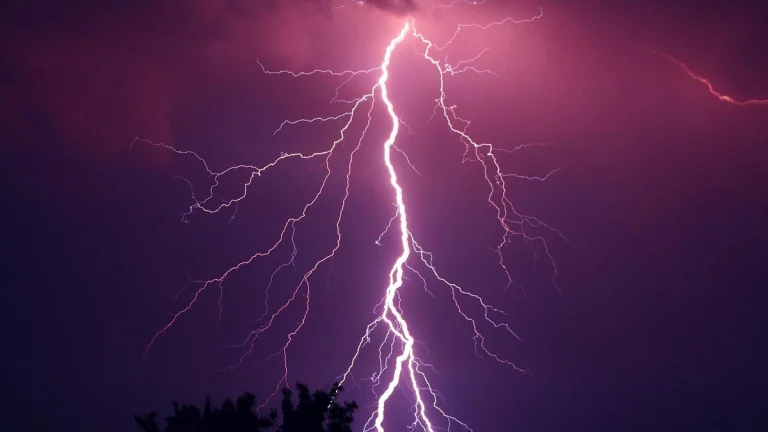
    Severe thunderstorms swept across France overnight into Friday, July 17, 2026, killing two people and leaving around 53 000 households without electricity. The storms brought strong winds, large hail and intense lightning to several regions of the country.

  • Two killed and 230 rescued as catastrophic flash floods strike Texas

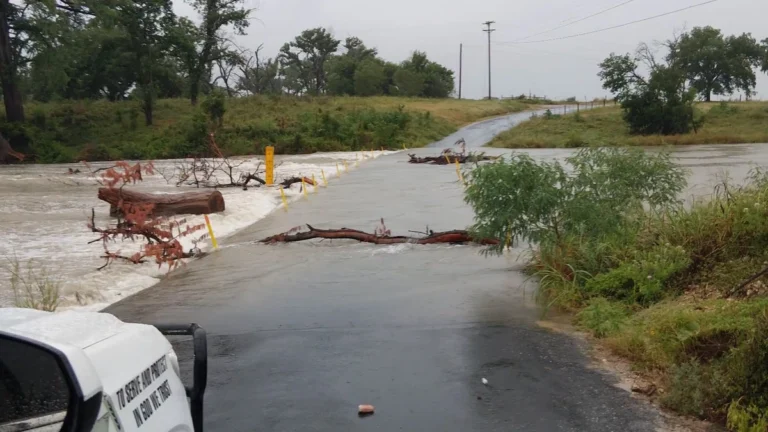
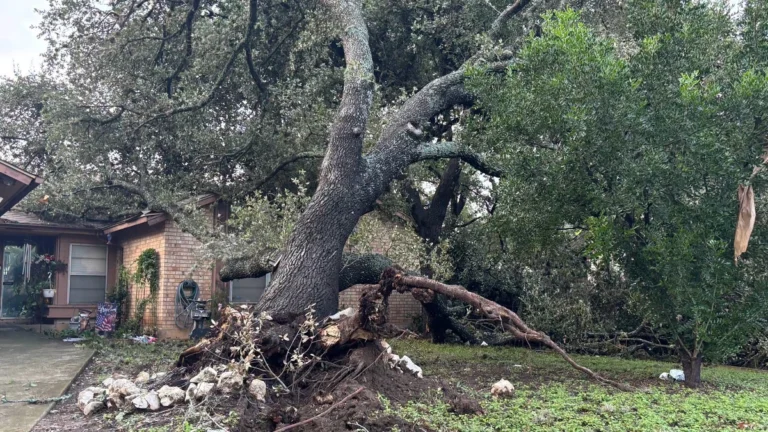
    At least two people were killed and 230 rescued after repeated thunderstorms produced catastrophic flash flooding across the Texas Hill Country and south-central Texas on July 16, 2026. Up to 711 mm (28 inches) of rain fell in northern Uvalde County over three days, while the Guadalupe River at Comfort rose more than 9 m (30 feet) in under three hours and crested near 11.3 m (37 feet). Texas deployed more than 2 350 emergency responders and over 1 400 response assets as flood waves moved through several river basins.

  • Minnesota sets new air pollution record, Superior National Forest reports the worst wildfire conditions in 20 years

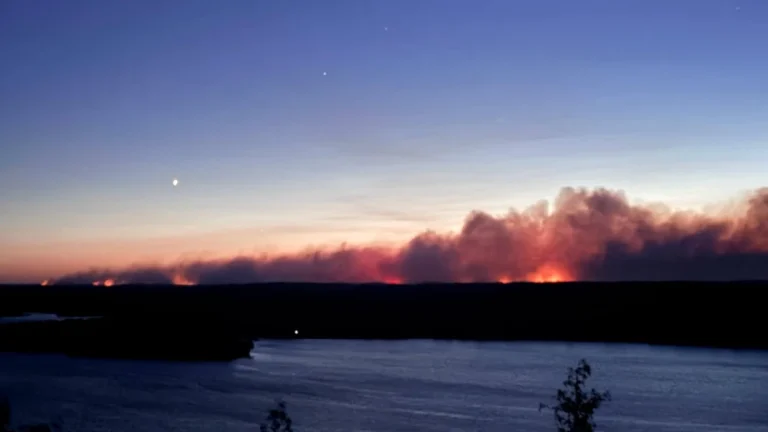
    Record-breaking wildfire smoke has reduced air quality across much of Minnesota, with pollution levels becoming so high that they exceeded the Minnesota Pollution Control Agency’s routine quality-control limits. The smoke is being generated from wildfires burning across Minnesota and parts of southern Canada. The Superior National Forest is experiencing the worst wildfire conditions in 20 years. Officials warn that hazardous smoke, extreme fire behavior, and additional wildfire growth are expected to continue as crews respond to 15 active fires across the Forest.

  • Strong M6.3 earthquake strikes near Te Anau, tsunami advisory canceled, New Zealand

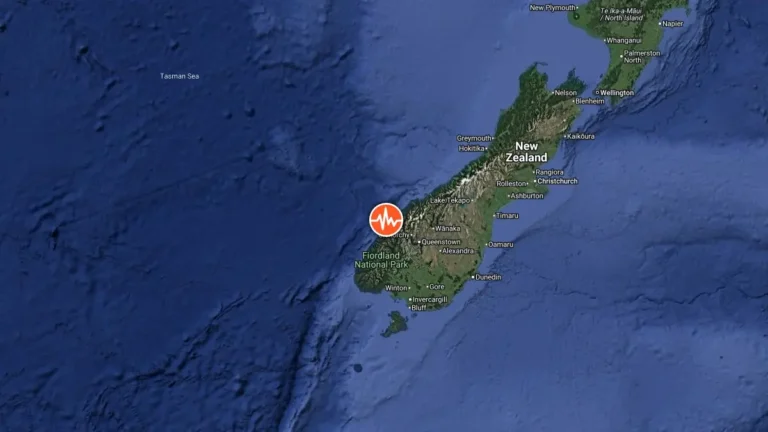
    A strong M6.3 earthquake struck 40 km (25 miles) north of Te Anau, South Island, New Zealand, at 21:14 NZST (09:14 UTC) on July 16, 2026, according to GeoNet. NEMA issued a National Advisory for tsunami activity for the western South Island coast from Milford Sound to Puysegur Point after the earthquake. The agency canceled the advisory after Earth Sciences NZ detected no tsunami signals for about two hours.

  • Ahyi Seamount unrest raises potential for activity to breach ocean surface, Northern Mariana Islands

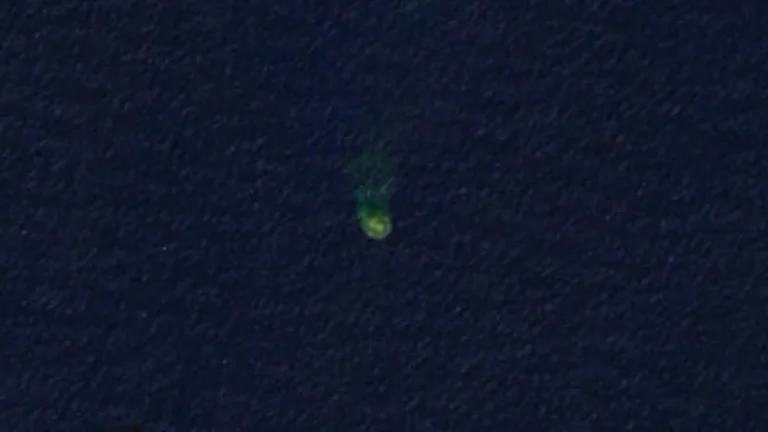
    USGS raised Ahyi Seamount in the Northern Mariana Islands to Aviation Color Code Yellow and Volcano Alert Level Advisory at 10:13 ChST (00:13 UTC) on July 16, 2026, after repeated satellite detections of discolored-water plumes near the shallow submarine volcano indicated increased unrest and a potential for activity to breach the ocean surface.

  • Large Guadalupe River flood wave prompts Flash Flood Emergency after confirmed EF1 tornado in San Antonio, Texas

    A large flood wave moved downstream along the Guadalupe River through the Texas Hill Country on July 16, 2026, prompting a Flash Flood Emergency from Center Point to Bergheim as emergency crews expanded rescues across south-central and western Texas. The event followed a preliminary EF1 tornado confirmed in northwest San Antonio on July 15, but the main active hazard had shifted to life-threatening flash flooding across the Guadalupe basin and Uvalde County.