• Arctic shipping routes open

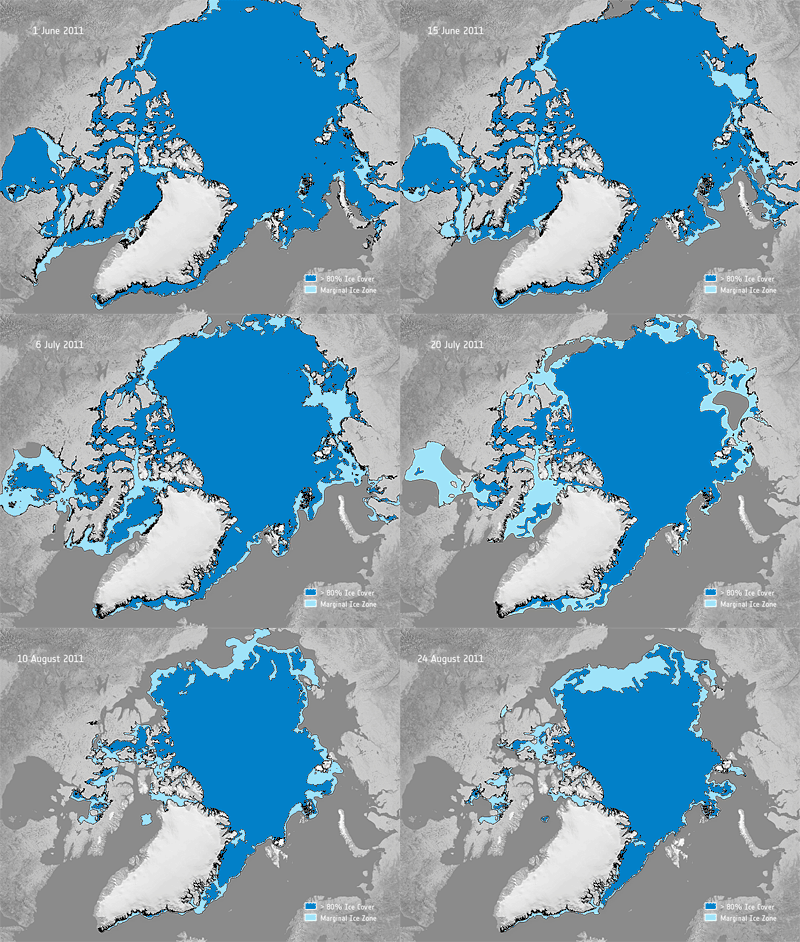
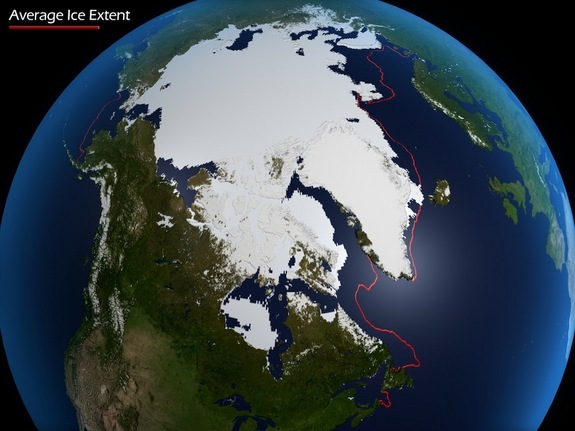
    Satellite measurements show we are heading for another year of below-average ice cover in the Arctic. As sea ice melts during the summer months, two major shipping routes have opened in the Arctic Ocean.In 2008 satellites saw that the Northwest Passage and the Northern

  • Iceberg PII-A splits in two off Newfoundland

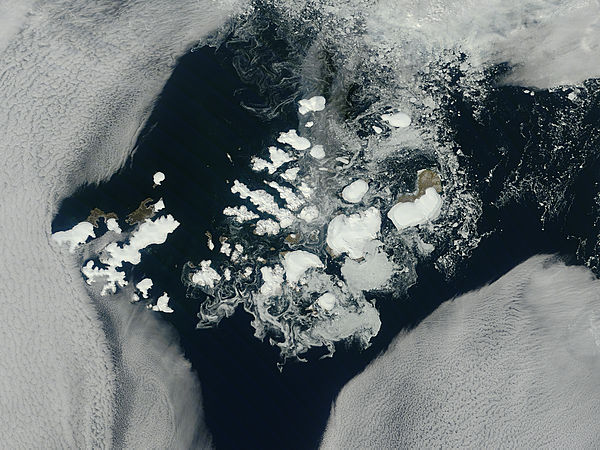
    Over a year ago, on August 5, 2010, the Petermann Glacier on the northwestern coast of Greenland calved a very large ice island. About a month later, the ice island, estimated at that time as about four times the size of Manhattan, collided with an island and broke

  • Satellites mapping ice flows in the Antarctic

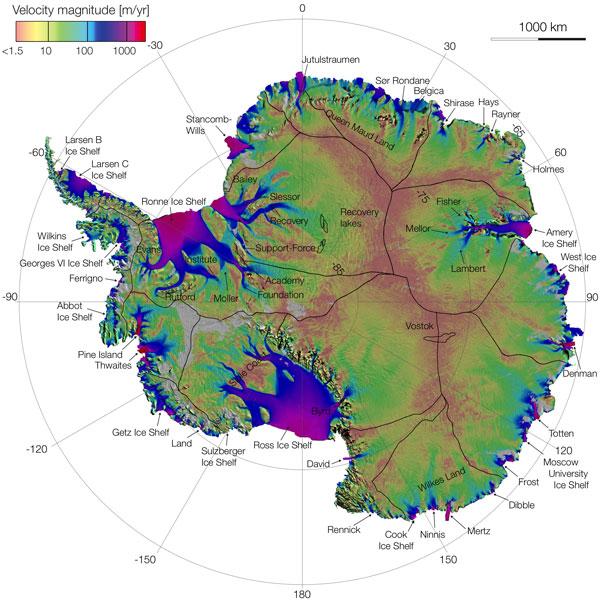
    High above the earth, satellites are now mapping ice flows in the Antarctic, providing vital information on the progress of climate change for the first time.NASA funded the researchers, who published their results this week in Science Express. The map they have

  • Melting glaciers alter Earth’s gravity

    Melting glaciers can alter Earth’s gravity field, scientists have found, a discovery that is shedding light on when Greenland and Antarctica began heavily melting. Knowing the timing of this melting could help climate scientists make better estimates of the potential

  • Large variations in Arctic sea ice

    For the last 10,000 years, summer sea ice in the Arctic Ocean has been far from constant. For several thousand years, there was much less sea ice in The Arctic Ocean – probably less than half of current amounts. This is indicated by new findings by the Danish National

  • Japan tsunami broke huge icebergs off Antarctica

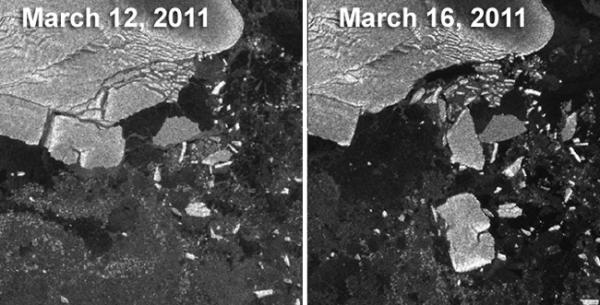
    The massive March 11 Japan earthquake and its ensuing tsunami were so powerful that they broke off huge icebergs thousands of miles away in Antarctica, according to a new study.The calving of icebergs (where a huge chunk of ice breaks off from a glacier or ice shelf)

  • Arctic tundra wildfires return after 10000-year absence

    After a 10,000-year absence, wildfires have returned to the Arctic tundra, and a University of Florida study shows that their impact could extend far beyond the areas blackened by flames.In a study published in the July 28 issue of the journal Nature, UF ecologist Miche