I'm a dedicated researcher, journalist, and editor at The Watchers. With over 20 years of experience in the media industry, I specialize in hard science news, focusing on extreme weather, seismic and volcanic activity, space weather, and astronomy, including near-Earth objects and planetary defense strategies. You can reach me at teo /at/ watchers.news.

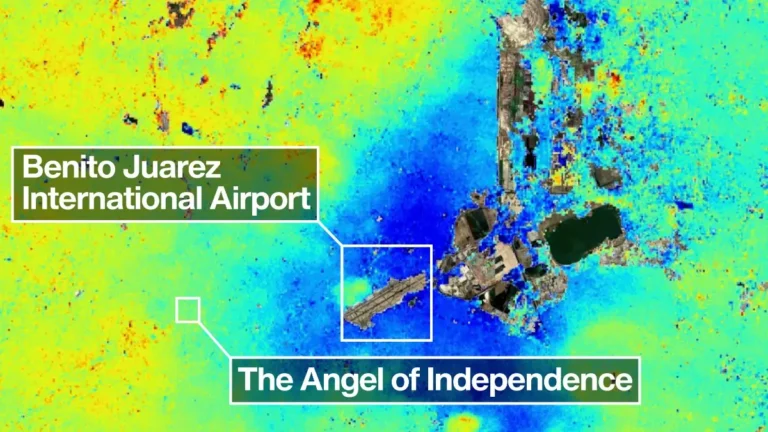
  • Extreme subsidence in Mexico City exceeds 2 cm (0.8 inches) per month

    Preliminary measurements from the NASA-ISRO Synthetic Aperture Radar (NISAR) satellite mapped parts of Mexico City and surrounding areas subsiding by more than 2 cm (0.8 inches) per month between October 25, 2025, and January 17, 2026, NASA’s Jet Propulsion Laboratory (JPL) reported. JPL attributed the deformation in large part to groundwater pumping and long-term compaction of the ancient lakebed beneath the metropolitan area.
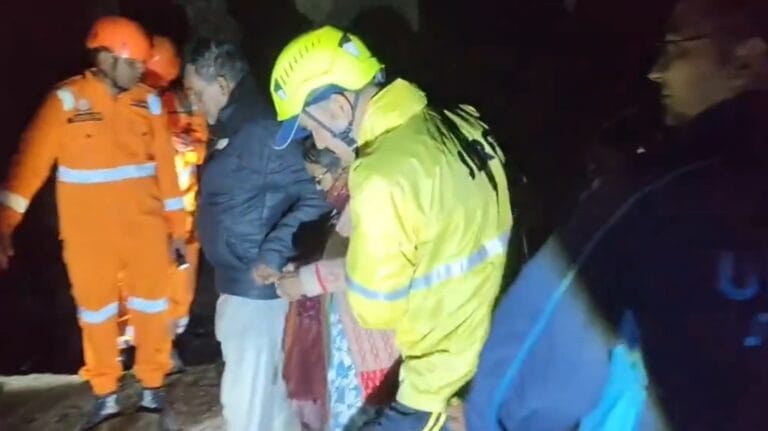
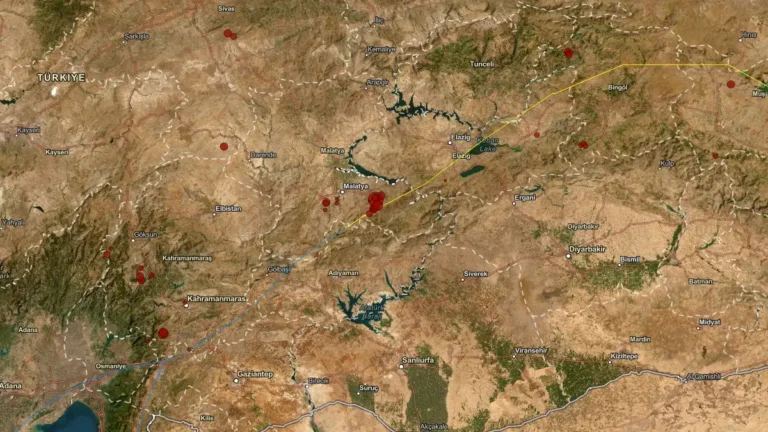
  • Schools evacuated after M5.6 earthquake in Malatya, Türkiye

    A shallow M5.6 earthquake struck Battalgazi district in Malatya province, eastern Türkiye, at 09:00 local time (06:00 UTC) on May 20, 2026, according to Türkiye’s Disaster and Emergency Management Presidency (AFAD). USGS registered the quake as M5.4 at a depth of 10 km (6.2 miles) and EMSC as M5.4 at a depth of 7 km (4.3 miles). While there was no immediate damage reported, provincial authorities evacuated schools and closed them for the day.

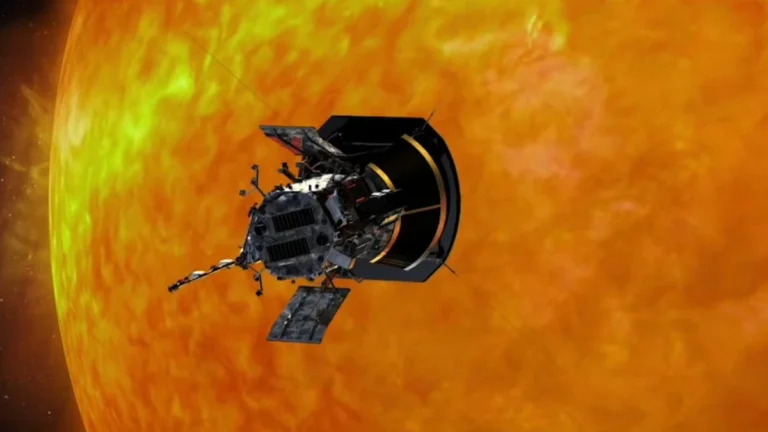
  • Solar radio bursts reveal possible magnetic switchbacks near the Sun, Parker Solar Probe data suggest

    Type III solar radio bursts observed by NASA’s Parker Solar Probe may reveal large-scale magnetic-field disturbances and switchback-like structures near the Sun, according to a study published in The Astrophysical Journal in 2026. The study may help scientists remotely map hidden magnetic structures near the Sun, improving how the solar wind is studied and eventually strengthening space weather physics.

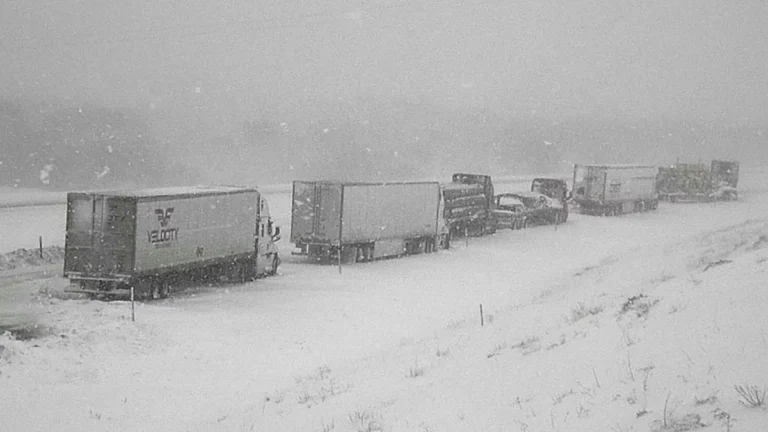
  • Late-season snowstorm shuts down I-80 in southern Wyoming

    A late-season winter storm brought heavy snow and hazardous travel conditions to southern Wyoming on May 18, 2026, shutting down sections of Interstate 80 and other roads. The National Weather Service (NWS) office in Cheyenne issued winter storm and blizzard warnings for parts of Carbon and Albany counties, while the Wyoming Department of Transportation (WYDOT) reported road closures, reduced visibility, and winter travel hazards across affected corridors.

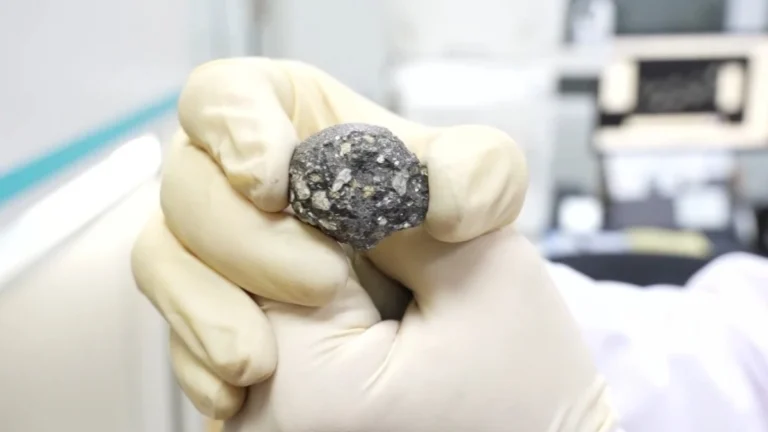
  • New lunar mineral identified in first lunar meteorite found in China

    China Geological Survey (CGS) reported that Chinese scientists identified a new lunar mineral, Magnesiochangesite-(Ce), in Pakepake 005, the first lunar meteorite found in China, and formally approved through meteorite nomenclature. The rare-earth-bearing phosphate was approved by the International Mineralogical Association’s Commission on New Minerals, Nomenclature and Classification. It represents the 11th lunar mineral discovered worldwide.

  • At least 21 dead after extreme rainfall hits southern and central China

    Torrential rain triggered widespread flooding across southern and central China from May 16 to 19, 2026, killing at least 21 people and disrupting schools, businesses, transport, and power supplies. China’s National Meteorological Center keeps a yellow rainstorm warning in force, with heavy rain forecast to continue across parts of southern and eastern China through May 20.