Two M6.0 earthquakes hit the western Indian-Antarctic Ridge
Two M6.0 earthquakes struck the western Indian-Antarctic Ridge within 10 minutes, at 14:51 UTC and 15:01 UTC on May 27, 2026. Both quakes were placed at a depth of 10 km (6.2 miles).


I'm a dedicated researcher, journalist, and editor at The Watchers. With over 20 years of experience in the media industry, I specialize in hard science news, focusing on extreme weather, seismic and volcanic activity, space weather, and astronomy, including near-Earth objects and planetary defense strategies. You can reach me at teo /at/ watchers.news.
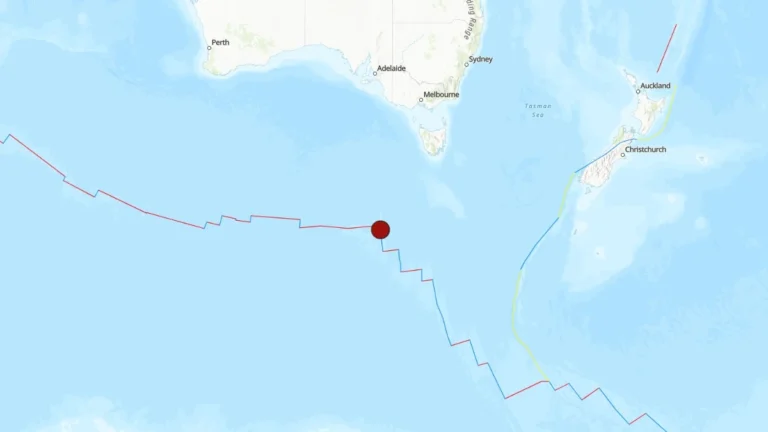
Two M6.0 earthquakes struck the western Indian-Antarctic Ridge within 10 minutes, at 14:51 UTC and 15:01 UTC on May 27, 2026. Both quakes were placed at a depth of 10 km (6.2 miles).
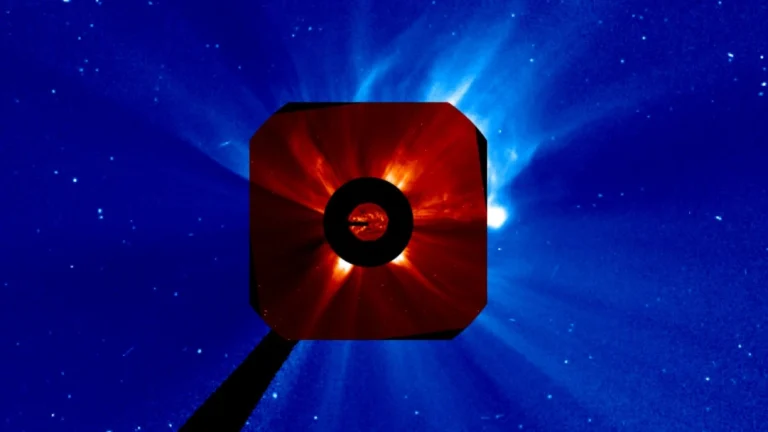
High-energy solar protons briefly reached S1 – Minor solar radiation storm levels on May 26, 2026, following a large partial halo coronal mass ejection (CME) from the far side of the Sun. The eruption was first detected by the GOES-19 CCOR-1 coronagraph at 22:00 UTC on May 25. Forecast calls for a 10% chance of another S1 or stronger solar radiation storm on May 27.

Authorities in Michoacán, Mexico, evacuated a residence and nearby homes and suspended classes at a nearby preschool after hot water, steam, mud, and gases vented from the ground at a residential property in the community of El Salitre, municipality of Ixtlán, during the night of May 25–26, 2026. Protección Civil described the phenomenon as hydrothermal activity under assessment.
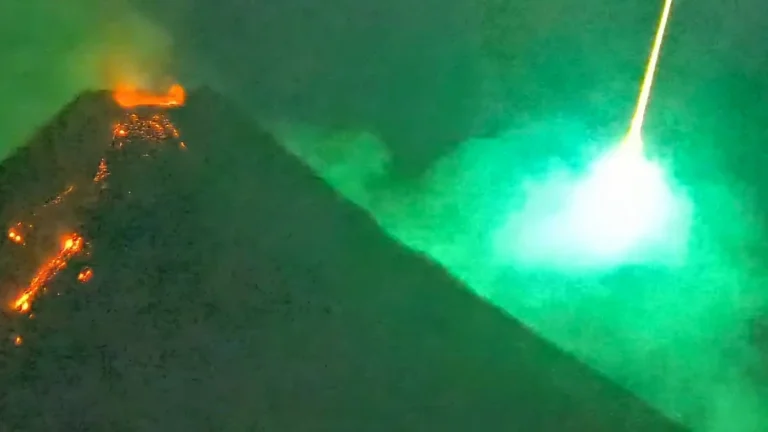
A very bright meteor was seen over erupting Mayon volcano in the Philippines at 22:33 PHT (14:33 UTC) on May 25, 2026. Videos of the event show the object crossing the sky near the volcano before ending in a very bright terminal flash.
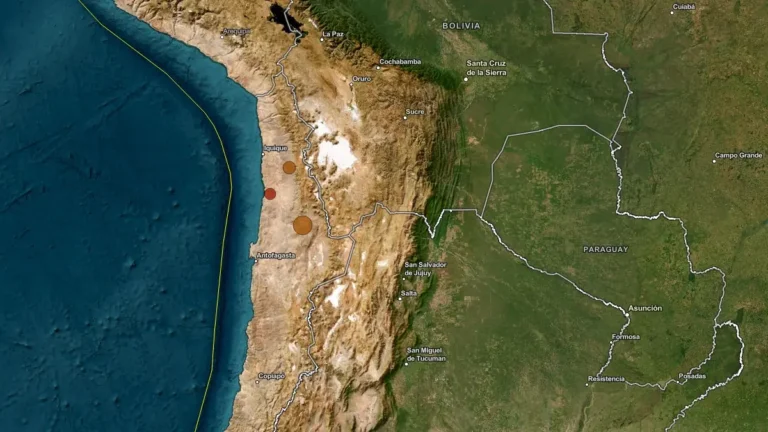
A strong earthquake registered by the USGS as M6.7 hit Antofagasta, Chile, at 21:52 UTC (17:52 LT) on May 25, 2026. The agency is reporting a depth of 119.7 km (74.4 miles). EMSC is reporting M6.8 at a depth of 103 km (64 miles).
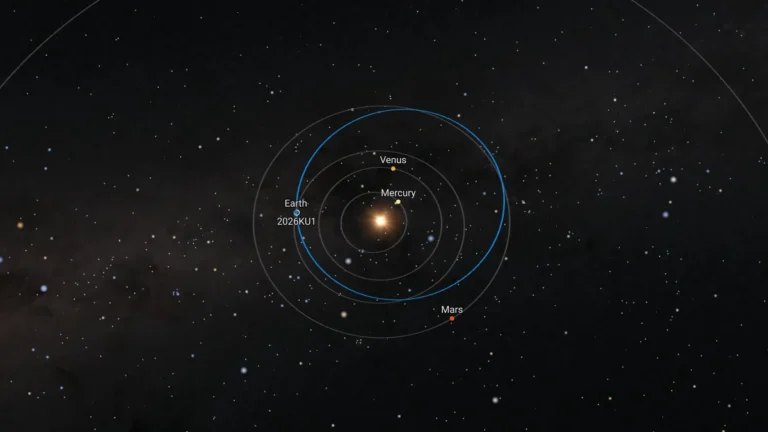
Asteroid 2026 KU1 flew past Earth at a distance of 0.149 lunar distances (about 0.00038 AU / 57 300 km / 35 600 miles) from the center of our planet at 22:11 UTC on May 22, 2026, becoming the 9th closest known asteroid flyby within 1 lunar distance recorded so far this year. Its closest point was about 50 900 km (31 600 miles) above Earth’s surface.
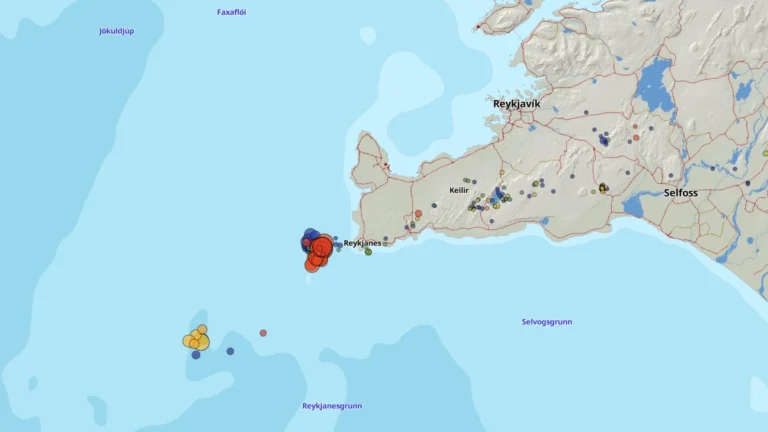
More than 220 earthquakes have been recorded near Reykjanestá and Eldey, Iceland, since May 23, 2026, with the largest measuring M3.5 at 05:06 UTC on May 24.

California Governor Gavin Newsom declared a State of Emergency for Orange County on May 23, 2026, after the state said a methyl methacrylate storage tank at GKN Aerospace in Garden Grove began heating up and emitting toxic fumes, leaving about 50 000 residents subject to evacuation orders.

Chinese authorities have detained mine officials and launched an investigation after a gas explosion at the Liushenyu coal mine in Shanxi Province killed 82 people, the deadliest coal mine disaster in China since 2009. The operations at the company’s four mines had been suspended following the explosion.
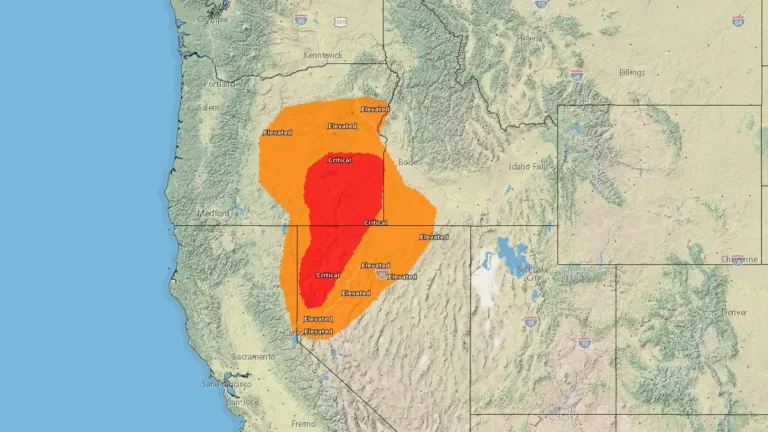
Critical fire weather conditions are forecast across a corridor from northwestern Nevada into southeastern Oregon on Monday afternoon, May 25, with sustained southwesterly winds of 32–40 km/h (20–25 mph), minimum RH of 10–15%, and recent fire activity showing fuels becoming more receptive to wildfire spread. NWS offices issued Fire Weather Watches for parts of northern Nevada, northeastern California, and the West Humboldt Basin for Monday afternoon and evening.
